
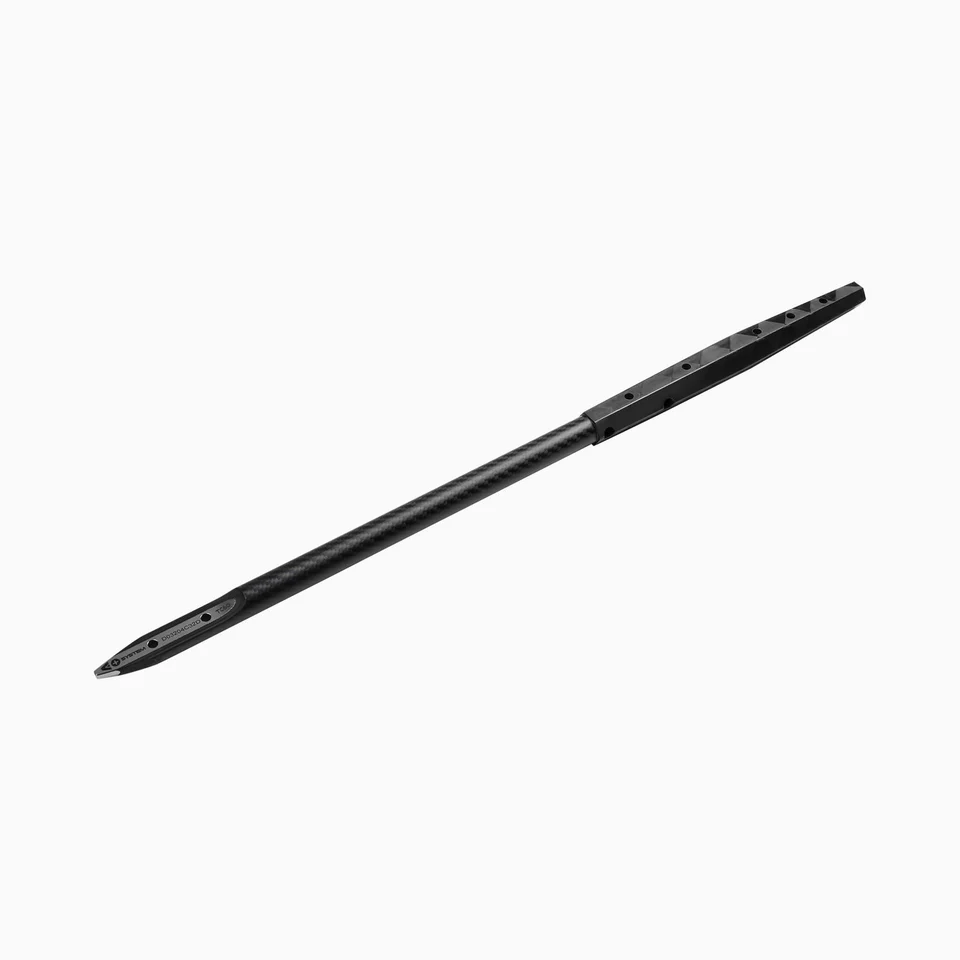
Titanium Core Fuselage
€200.00
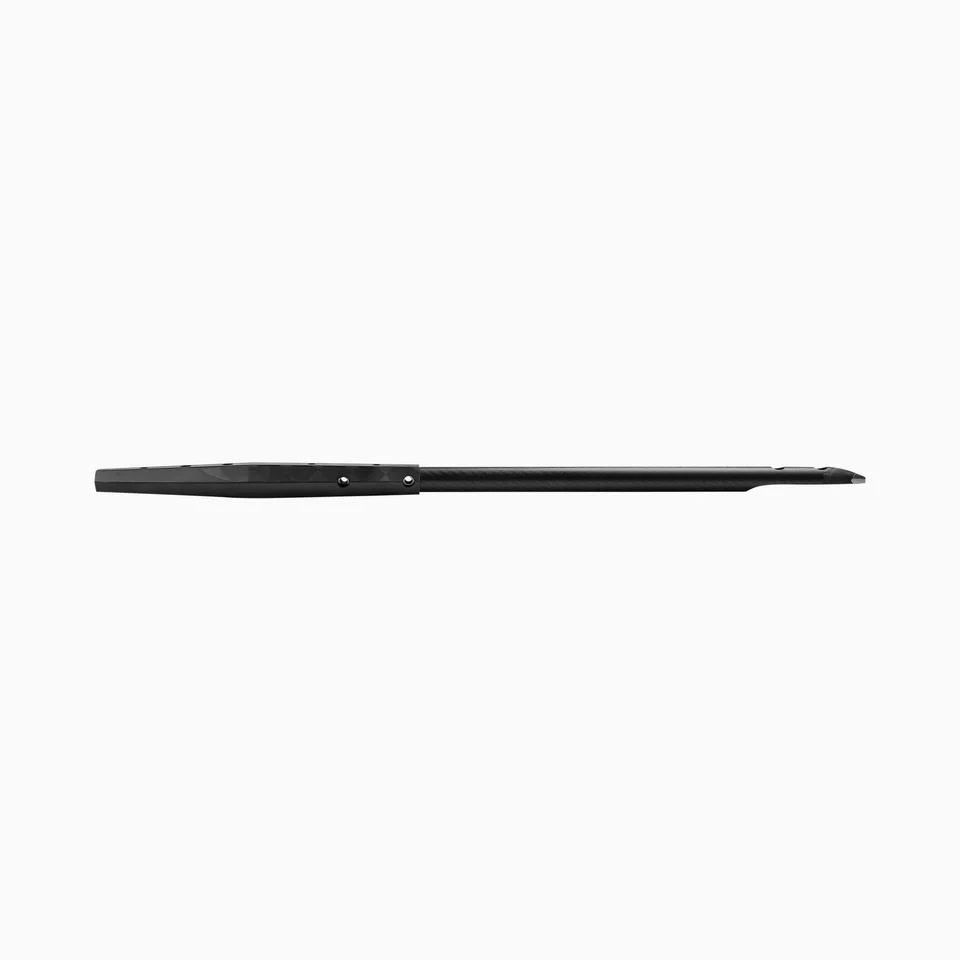
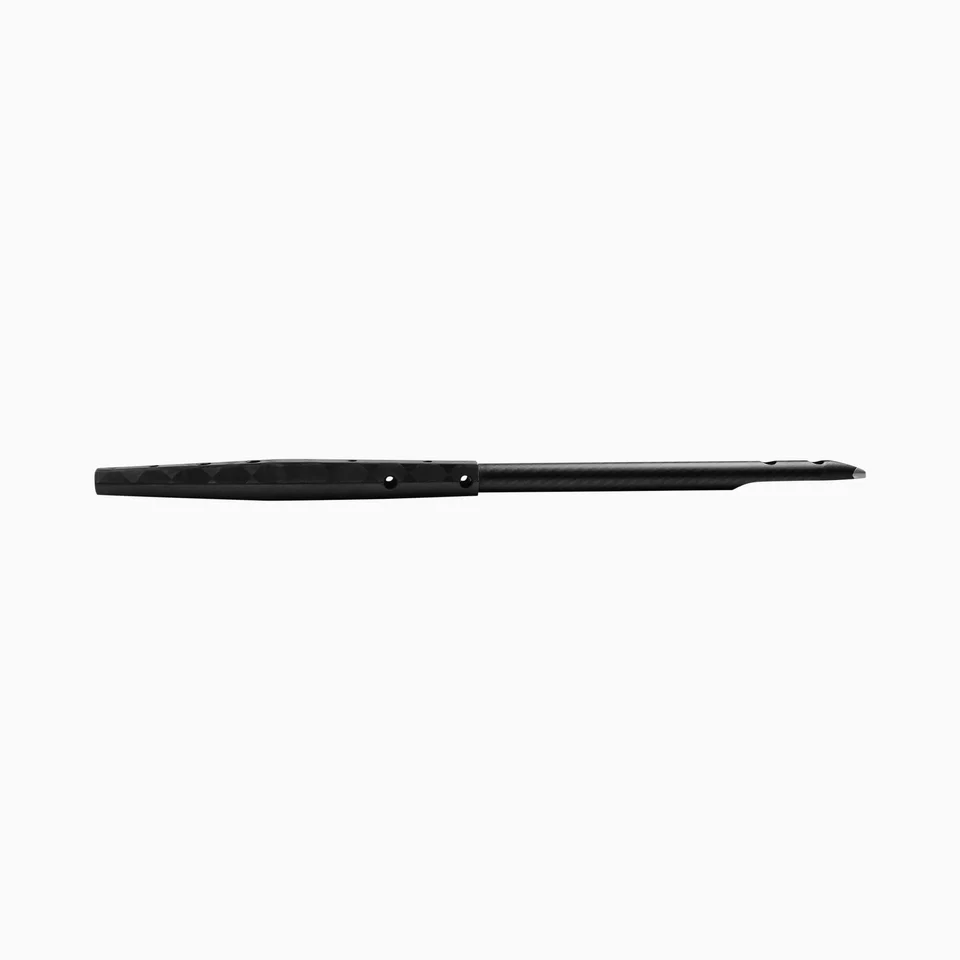
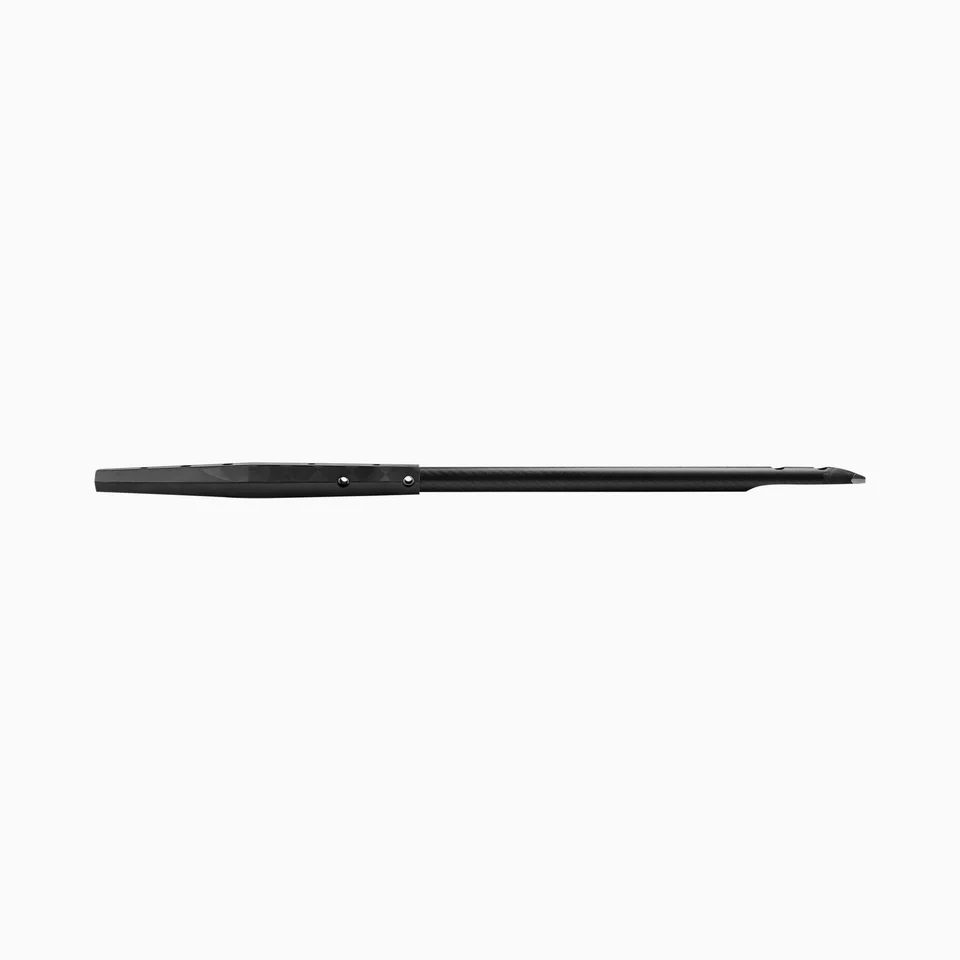
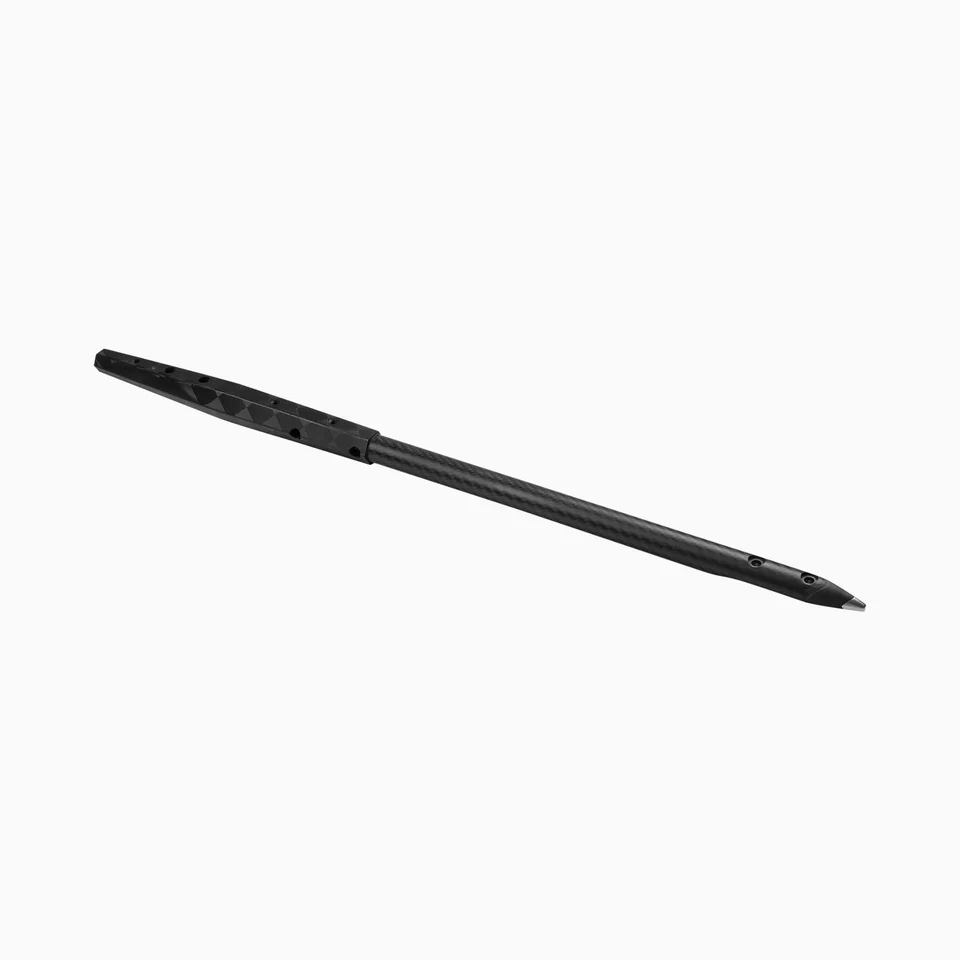
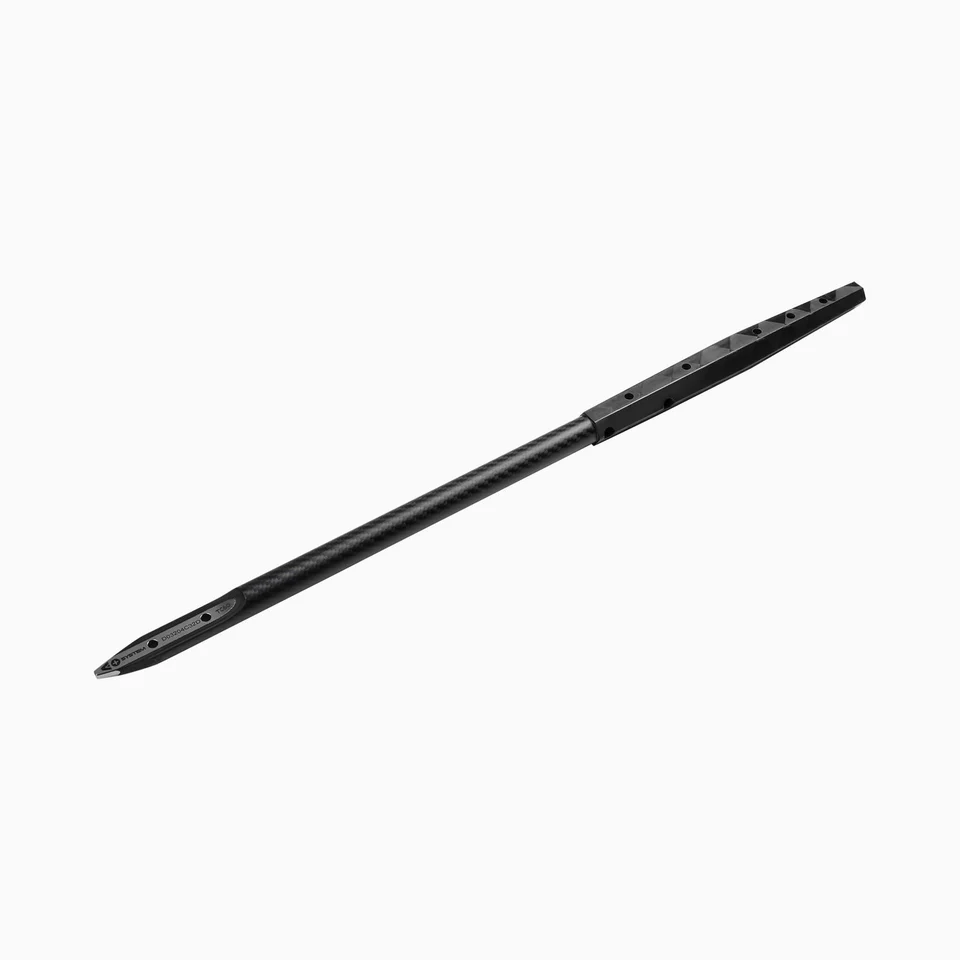
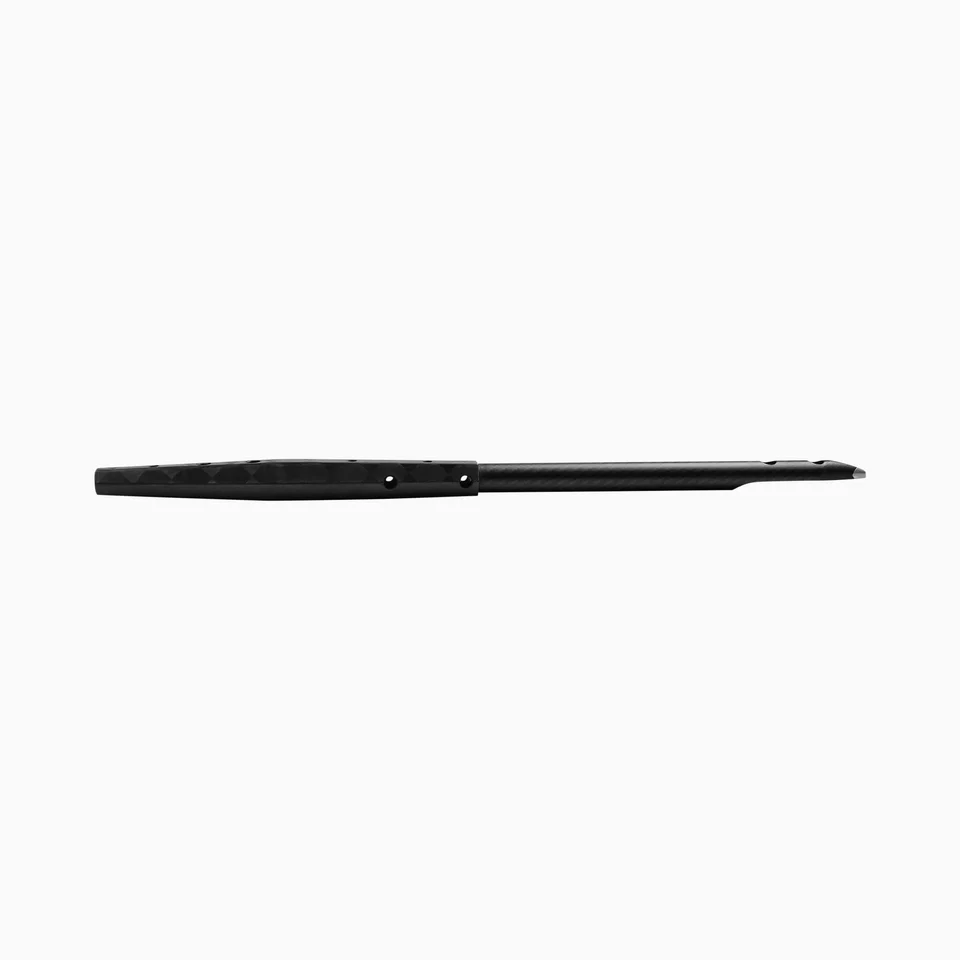
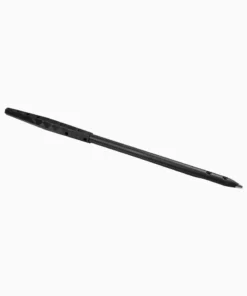
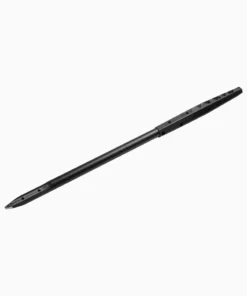
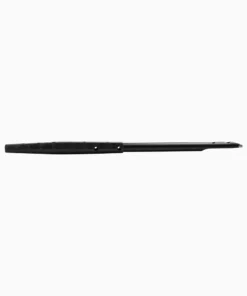
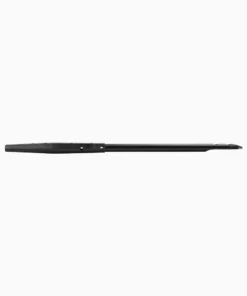
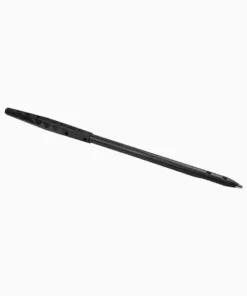
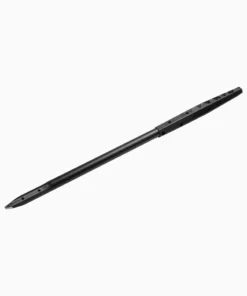
The A+ System Titanium Core (TC) fuselage is true work of hydrofoil art. At the design’s heart lies a titanium rod core finely wrapped in machined carbon fiber. The front foil attachment is via a hexagonally shaped portion of the fuselage that’s provides a naturally snug and secure fit even before hardware is added. The stabilizer is attached via a cutaway section that accepts our form-fitting Polycarbonate Pro Shims. The TC fuselage design is perfectly adapted to the diverse loads of different front foil types, and the design is futureproofed so that Armstrong foils from all years can fit right on.
Titanium rod core
A+ System
Inclusions
Titanium Core Fuselage – Ultimate Strength-to-Weight Foil Connection System for Maximum Performance, Durability, and Precision Control
Introduction to the Titanium Core Fuselage and Why It Represents the Future of Premium Foil Engineering
Why the Titanium Core Fuselage Is One of the Most Advanced Components in Modern Foiling
The Titanium Core Fuselage represents the next evolution in hydrofoil engineering, combining exceptional structural strength, lightweight performance, advanced corrosion resistance, and precision-machined accuracy into one highly refined performance component. While riders often focus attention on front wings, stabilizers, and masts, the fuselage remains one of the most critical structural elements within the entire foil system because it directly influences stability, energy transfer, responsiveness, durability, and overall ride quality.
As foiling disciplines continue progressing toward higher speeds, longer distances, larger waves, and more technical maneuvers, equipment must withstand increasingly demanding loads. Consequently, advanced materials and innovative engineering solutions have become essential for achieving the performance levels modern riders expect.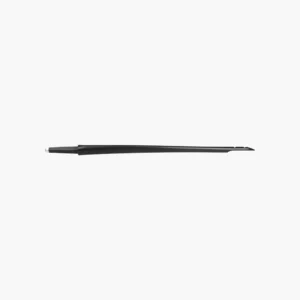
The Titanium Core Fuselage has been designed specifically to address these demands by incorporating premium titanium technology within a carefully optimized structural platform. As a result, riders experience superior stiffness, exceptional load management, improved control precision, and remarkable long-term durability across a wide variety of riding conditions.
Additionally, titanium offers one of the most impressive strength-to-weight ratios available within performance engineering. Therefore, this design provides outstanding structural integrity without introducing unnecessary weight.
Because modern riders increasingly seek equipment capable of delivering both performance and longevity, titanium-core construction continues gaining recognition among serious foiling enthusiasts worldwide.
What Makes the Titanium Core Fuselage Different From Conventional Designs
Several important engineering characteristics distinguish this advanced fuselage from traditional alternatives.
First, the titanium core dramatically improves structural strength while maintaining efficient weight characteristics. Consequently, riders benefit from increased rigidity and more direct power transfer throughout the foil system.
Second, advanced machining processes improve alignment precision between connected components. Therefore, hydrodynamic performance remains consistent and predictable.
Third, titanium naturally resists corrosion in marine environments. As a result, long-term durability improves significantly compared to many conventional materials.
Additionally, optimized structural geometry improves load distribution during high-performance riding.
Furthermore, premium manufacturing standards support exceptional reliability across years of use.
Why Titanium Is Considered an Elite Engineering Material
Titanium has earned a reputation as one of the most respected materials within aerospace, motorsport, marine engineering, and high-performance sporting equipment.
Several properties make titanium exceptionally attractive for demanding applications:
- Outstanding strength-to-weight ratio
- Exceptional corrosion resistance
- Superior fatigue resistance
- Long-term durability
- High structural integrity
- Excellent environmental resilience
Consequently, titanium allows engineers to create components that remain lightweight while handling substantial mechanical loads.
Additionally, titanium maintains its properties extremely well under harsh operating conditions.
Because premium performance often depends on material quality, titanium remains highly desirable within advanced engineering projects.
How Structural Rigidity Improves Foiling Performance
Structural rigidity plays a critical role within hydrofoil systems because every rider input must transfer efficiently throughout the entire structure.
When rigidity improves, the foil responds more directly to rider commands. Consequently, handling feels sharper, more predictable, and more confidence inspiring.
Enhanced rigidity provides several major advantages:
Better Energy Transfer
Less energy is lost through unwanted structural flex.
Improved Turning Precision
Riders experience more immediate response during maneuvers.
Enhanced Stability
The system remains composed under heavy loads.
Greater High-Speed Confidence
Structural integrity supports performance at elevated speeds.
Because advanced riders often operate under demanding conditions, rigidity remains one of the most important performance factors.
Why Precision Alignment Matters
Alignment accuracy strongly influences foil efficiency because improperly aligned components can create unnecessary drag and unpredictable handling characteristics.
The Titanium Core Fuselage maintains exceptionally precise positioning between:
- Front wing connections
- Stabilizer interfaces
- Mast attachment points
Consequently, riders benefit from:
- Cleaner water flow
- Better control consistency
- Improved hydrodynamic efficiency
- More predictable handling
Additionally, accurate alignment helps maximize the performance potential of every connected component.
Because hydrofoil systems function as integrated platforms, alignment precision remains critically important.
How Corrosion Resistance Improves Long-Term Ownership
Saltwater environments expose equipment to continuous environmental stress.
Many materials gradually deteriorate when subjected to prolonged marine exposure. However, titanium offers exceptional natural corrosion resistance.
Benefits include:
- Reduced maintenance requirements
- Improved structural longevity
- Better appearance retention
- Greater reliability over time
- Enhanced ownership confidence
Consequently, riders can focus more on riding and less on maintenance concerns.
Additionally, superior corrosion resistance helps preserve long-term equipment value.
Why Weight Reduction Matters in Foiling
Weight influences responsiveness, maneuverability, and overall riding feel.
Although strength remains important, minimizing unnecessary mass improves performance throughout the system.
Lightweight construction improves:
Acceleration
Reduced mass supports quicker response.
Maneuverability
Directional changes feel more immediate.
Pumping Efficiency
Less weight improves energy management.
Overall Ride Feel
The system feels more agile and responsive.
Because modern foiling increasingly emphasizes efficiency and flow, weight optimization remains highly valuable.
How Advanced Load Management Improves Reliability
Hydrofoils encounter substantial forces during operation, particularly during carving, pumping, jumping, and high-speed riding.
Advanced load management helps:
- Reduce stress concentrations
- Improve structural consistency
- Enhance durability
- Maintain alignment accuracy
- Increase long-term reliability
Consequently, the system performs predictably even during demanding sessions.
Additionally, improved load distribution reduces the likelihood of premature wear.
Where the Titanium Core Fuselage Excels
This advanced structural platform performs exceptionally well across multiple disciplines.
Wing Foiling
Enhanced rigidity improves powered riding control.
Surf Foiling
Responsive handling supports dynamic wave maneuvers.
Downwind Foiling
Efficient energy transfer improves long-distance performance.
High-Speed Performance Riding
Structural stability inspires confidence at elevated speeds.
Freeride Exploration
Balanced characteristics support versatile riding experiences.
Why Serious Riders Choose Premium Structural Components
Experienced riders understand that overall foil performance depends on every component working together efficiently.
Premium structural systems provide:
- Greater control precision
- Enhanced reliability
- Better responsiveness
- Improved durability
- Superior long-term value
Consequently, investing in advanced structural engineering often improves the entire riding experience.
Additionally, premium materials frequently deliver benefits that become increasingly noticeable as rider skill progresses.
Frequently Asked Questions About the Titanium Core Fuselage
Why is titanium used in high-performance engineering?
Titanium offers exceptional strength, durability, corrosion resistance, and lightweight characteristics.
Does rigidity improve control?
Absolutely. Increased rigidity improves responsiveness and rider feedback.
Why is corrosion resistance important?
Marine environments constantly expose equipment to moisture and saltwater.
Does alignment affect ride quality?
Yes. Accurate alignment improves efficiency, stability, and predictability.
Is lightweight construction beneficial?
Very much so. Reduced weight improves responsiveness and maneuverability.
Can the fuselage influence overall foil performance?
Significantly. Structural characteristics affect stability, control, efficiency, and rider confidence.
Key Advantages of the Titanium Core Fuselage
Titanium Core Construction
Provides exceptional strength-to-weight performance.
Superior Structural Rigidity
Improves responsiveness and control precision.
Outstanding Corrosion Resistance
Enhances durability in marine environments.
Precision Machining
Supports accurate component alignment.
Advanced Load Management
Improves reliability during demanding riding conditions.
Lightweight Performance
Enhances agility and handling.
Long-Term Durability
Maintains structural integrity over years of use.
Premium Engineering Excellence
Delivers elite-level performance across multiple disciplines.
Why the Titanium Core Fuselage Represents the Future of Foil System Design
As foiling continues evolving toward higher performance, greater efficiency, and increased durability demands, advanced materials become increasingly important. Consequently, titanium-core engineering has emerged as one of the most promising solutions for riders seeking the highest levels of structural performance.
Aerospace-Grade Structural Engineering, Maximum Load Control, and Elite-Level Riding Performance
Understanding the Importance of Advanced Structural Design
Modern hydrofoil systems operate under immense mechanical loads. During carving, pumping, high-speed riding, wave transitions, and aggressive maneuvers, significant forces travel throughout the entire foil structure. Consequently, structural design has become one of the most important factors influencing overall ride quality and performance.
A well-engineered structural platform does far more than simply connect components together. Instead, it serves as the foundation that determines how efficiently forces transfer, how accurately rider input is translated into movement, and how reliably the system performs under pressure.
Additionally, advanced structural engineering helps maintain consistent geometry during dynamic riding situations. Therefore, riders experience predictable handling characteristics across a wide range of conditions.
Because foiling continues evolving toward higher performance levels, structural optimization remains a major focus within premium equipment development.
Why Strength-to-Weight Efficiency Matters
One of the most important goals in performance engineering is maximizing strength while minimizing unnecessary weight.
A highly efficient structure provides:
- Greater durability
- Improved responsiveness
- Better acceleration
- Enhanced maneuverability
- Reduced rider fatigue
- Increased overall efficiency
Consequently, riders benefit from equipment that feels both powerful and agile.
Additionally, efficient weight management improves pumping performance because less energy is required to maintain momentum.
Because modern riders increasingly demand both strength and responsiveness, strength-to-weight optimization remains critically important.
How Load Distribution Improves Reliability
Forces generated during foiling rarely act in a single direction. Instead, loads constantly shift throughout the structure as riders accelerate, carve, pump, and transition between maneuvers.
Effective load distribution provides several important advantages:
Reduced Stress Concentration
Forces spread more evenly across the structure surf foil board.
Improved Durability
Balanced loads reduce long-term material fatigue HA Front Foil for sale.
Better Performance Consistency
Structural integrity remains stable under demanding conditions kite armstrong.
Enhanced Rider Confidence
Predictable behavior improves overall control.
Because concentrated stress can accelerate wear and reduce performance, efficient load management remains essential.
Why Structural Stiffness Improves Rider Feedback
Stiffness strongly influences how connected riders feel to their equipment armstrong integrated foil masts price.
When excessive flex occurs, rider input may become delayed or partially absorbed before reaching the foil surfaces. However, increased stiffness allows forces to transfer more directly throughout the system.
Benefits include:
- Faster response times
- More precise control armstrong performance mast
- Improved maneuver accuracy
- Better energy transfer hydrofoil front wing
- Enhanced riding confidence
Consequently, riders experience a more direct and predictable connection with the water.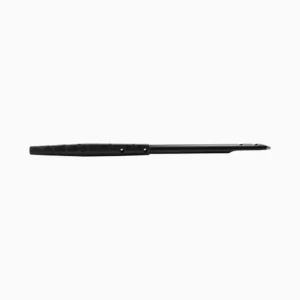
Additionally, improved feedback helps advanced riders execute technical maneuvers with greater precision.
Because responsiveness remains a major performance factor, stiffness continues serving as a key engineering objective.
How Precision Manufacturing Improves Performance
Manufacturing accuracy affects every aspect of structural performance armstrong wing.
Advanced machining techniques improve:
- Alignment accuracy
- Component fitment
- Structural consistency
- Assembly precision
- Long-term reliability
Consequently, riders experience smoother integration between components and more predictable handling characteristics.
Additionally, tighter tolerances reduce unwanted movement that may negatively affect performance armstrong foiling.
Because hydrofoil systems operate with fine margins of efficiency, manufacturing precision remains extremely important.
Why Corrosion Protection Is Essential for Marine Equipment
Saltwater environments present significant challenges for performance equipment armstrong mid length board.
Continuous exposure to:
- Salt armstrong foils for sale
- Moisture armstrong wings
- Temperature fluctuations
- Environmental contaminants
can gradually affect many materials over time.
Advanced corrosion-resistant engineering improves:
Long-Term Structural Integrity
Protective properties help preserve performance.
Reduced Maintenance Requirements
Less time is spent addressing environmental wear.
Improved Reliability
Components remain dependable throughout extended ownership.
Better Appearance Retention
Visual condition remains attractive over time.
Because marine exposure is unavoidable for most riders, corrosion protection remains one of the most valuable long-term benefits.
How Reduced Weight Improves Riding Dynamics
Weight affects nearly every aspect of foil performance armstrong foil boards.
Reducing unnecessary mass improves wing foil front wing:
- Responsiveness
- Acceleration armstrong midlength
- Pumping efficiency
- Maneuverability
- Ride comfort
Consequently, riders can generate speed more efficiently while maintaining better control.
Additionally, lighter systems often feel more lively and agile during dynamic riding situations.
Because modern foiling increasingly emphasizes efficiency and flow, weight reduction remains highly desirable Titanium Core Fuselage.
Why High-Speed Stability Matters
As rider skill increases, operating speeds often increase as well.
At higher speeds, structural integrity becomes even more important because hydrodynamic forces rise significantly.
Stable structures improve:
Control Precision
Handling remains predictable during fast riding surf foil boards.
Rider Confidence
Stable equipment encourages progression armstrong wing foil.
Safety Margins
Consistent behavior reduces unexpected reactions.
Performance Consistency
Ride quality remains dependable across varying speeds surf foilboard.
Because advanced riding frequently involves higher speeds, stability remains essential.
Real-World Advantages Across Multiple Disciplines
Premium structural systems provide benefits across a wide variety of riding styles armstrong integrated foil masts price 2025.
Wing Foiling
Improved rigidity enhances powered riding control.
Surf Foiling
Responsive handling supports dynamic wave riding foiling board.
Downwind Riding
Efficient energy transfer improves endurance and glide armstrong foils.
Freeride Exploration
Balanced performance supports versatile conditions.
Advanced Carving
Precise rider feedback improves maneuver execution.
Because many riders participate in multiple disciplines, versatility remains highly valuable HA Front Foil.
Why Long-Term Durability Improves Ownership Value
Durability affects both performance and long-term cost effectiveness armstrong downwind boards.
Strong structural engineering helps resist:
- Repeated loading cycles
- Environmental wear foiling boards
- Material fatigue armstrong fuselage
- Impact-related stress hydrofoil lift stability
- Long-term deterioration
Consequently, equipment remains reliable throughout years of use Titanium Core Fuselage.
Additionally, durable systems often maintain stronger resale value.
Because premium equipment represents a significant investment, long-term durability remains a major purchasing consideration Titanium Core Fuselage.
Why Efficiency Improves Overall Ride Quality
Efficiency influences how effectively rider energy converts into performance Titanium Core Fuselage.
Efficient structures improve armstrong downwind foil board:
- Speed generation
- Pumping performance
- Energy conservation
- Ride flow
- Session endurance
Consequently, riders can achieve more while exerting less effort.
Additionally, efficient systems often create a smoother and more enjoyable riding experience overall.
Because energy management plays a major role in modern foiling, efficiency remains one of the most important performance characteristics armstrong v1 downwind board.
Frequently Asked Questions About Structural Performance
Why is stiffness important?
Stiffness improves responsiveness, control precision, and rider feedback.
Does weight affect riding performance?
Absolutely. Reduced weight improves agility, efficiency, and maneuverability foil for sup.
Why is load distribution important?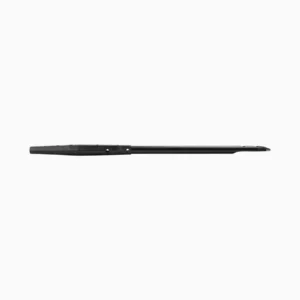
Balanced loads improve durability and performance consistency Titanium Core Fuselage.
Does corrosion resistance matter in marine environments?
Very much so. Saltwater exposure can significantly affect equipment longevity Titanium Core Fuselage.
Why is manufacturing precision important?
Precise machining improves alignment Titanium Core Fuselage, fitment, and structural reliability Titanium Core Fuselage.
Can structural engineering affect ride feel?
Yes. Structural characteristics strongly influence responsiveness, stability, and overall handling Titanium Core Fuselage.
Overall Performance Advantages
This advanced structural platform successfully combines aerospace-inspired engineering, exceptional stiffness, efficient load management, lightweight performance, corrosion resistance Titanium Core Fuselage, and precision manufacturing into a highly refined foil system foundation.
Because every major design element has been optimized for strength, efficiency, and real-world usability, riders experience improved responsiveness, enhanced stability, better energy transfer Titanium Core Fuselage, increased durability, and greater confidence across all riding conditions.
Be the first to review “Titanium Core Fuselage”
Related products
Fuselage
Reviews
There are no reviews yet.