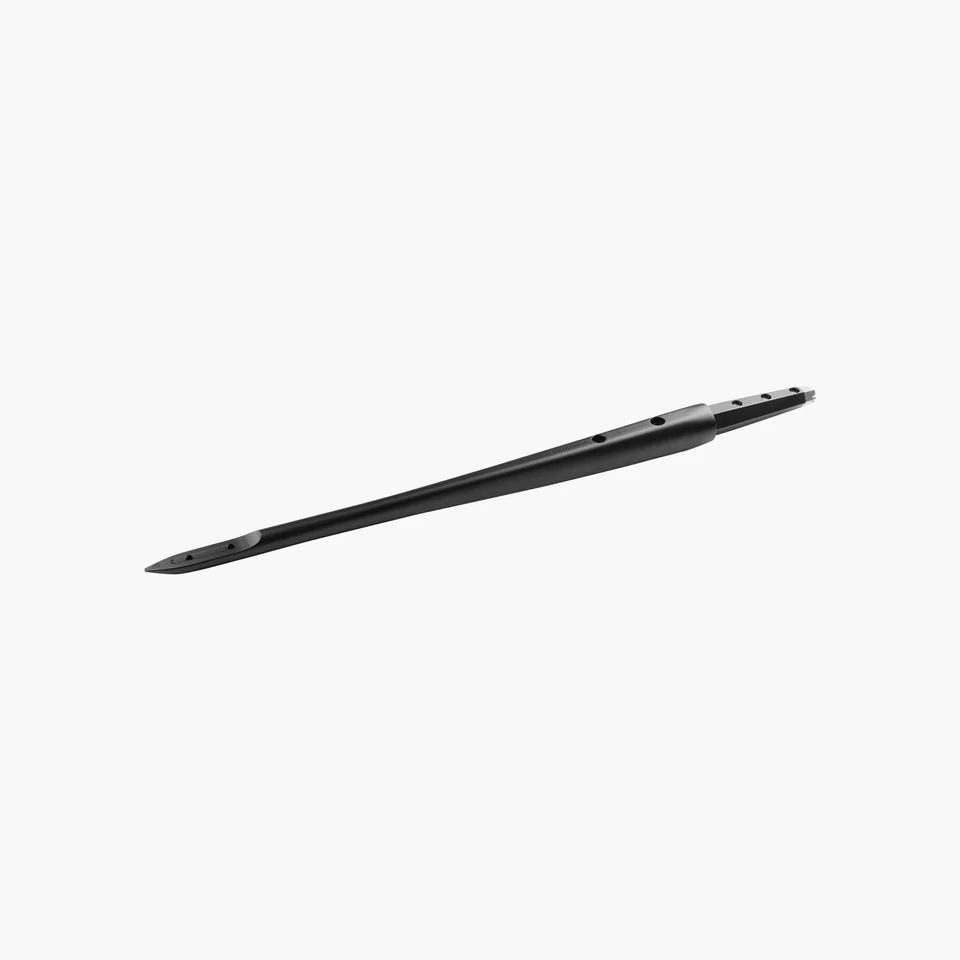
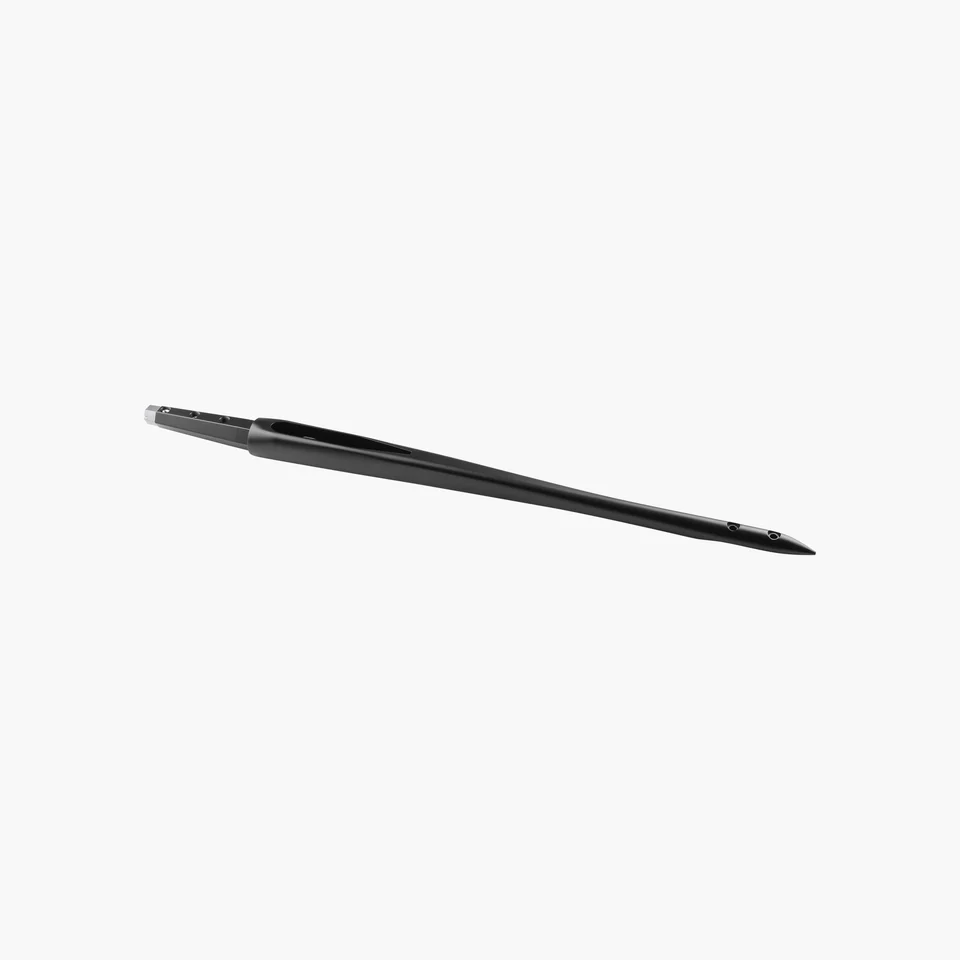
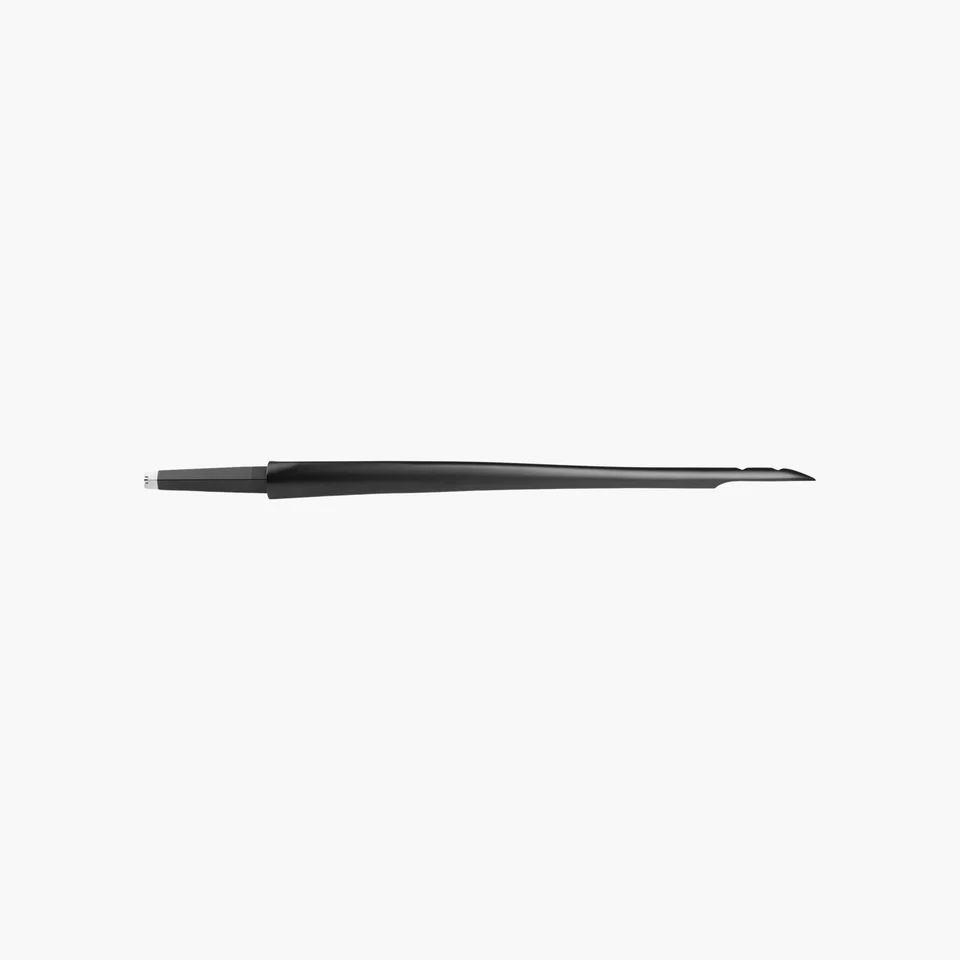
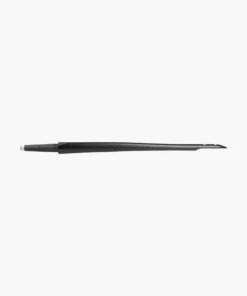
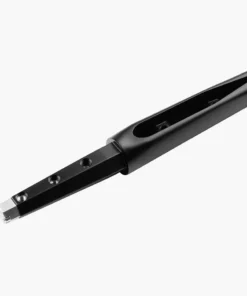
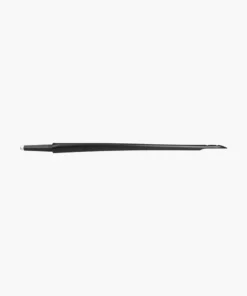
Alloy Fuselage

€120.00
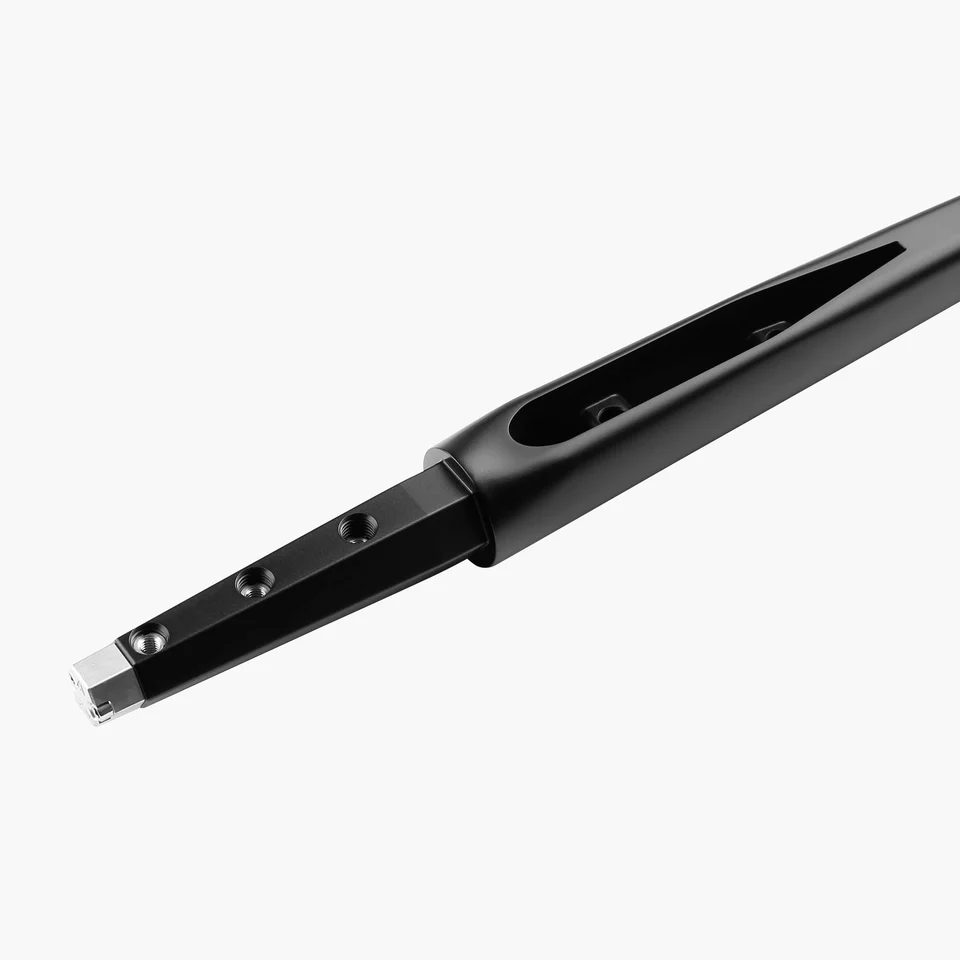
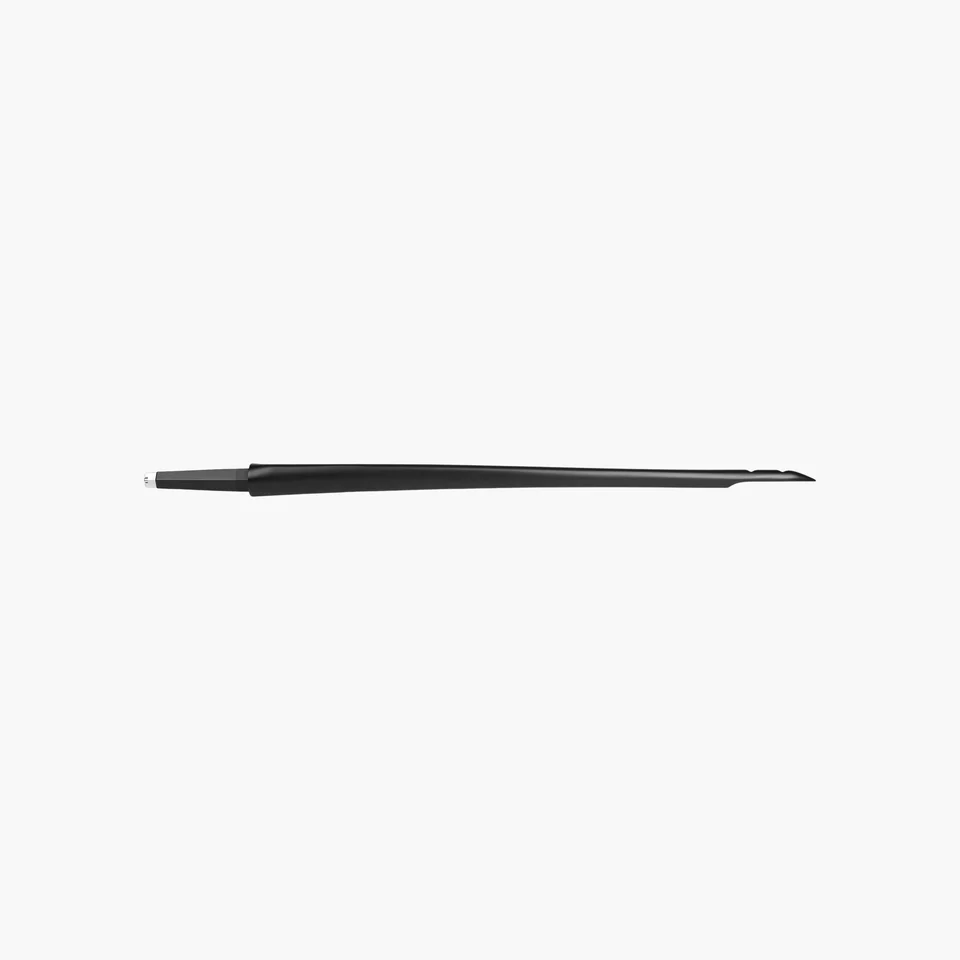
Like the Alloy mast, the Alloy fuselage was designed with a team of top CFD experts. It’s fast and efficient, yet built tough from 6061 aluminium alloy so it can take hits and keep going. The front foil and stabilizer attachment are the exact same as our Titanium Core fuselage, so the Alloy fuselage remains compatible with every one of our front foils and stabilizers. The fuselage attaches to the mast via the proprietary Bottom Bracket.
Specifications
6061 Aluminium alloy
A+ System
Alloy Fuselage – Precision Foil Connection System for Strength, Stability, Control, and Long-Term Performance
Introduction to the Alloy Fuselage and Why It Is the Backbone of Modern Foil Performance
Why the Alloy Fuselage Plays a Critical Role in Every Foil Setup
The Alloy Fuselage serves as one of the most important structural components within any modern hydrofoil system because it directly connects the front wing, stabilizer, and mast into a single performance platform. While riders often focus heavily on front wings, stabilizers, and board selection, the fuselage quietly influences stability, responsiveness, control, strength, efficiency, and overall ride quality during every session.
As modern foiling disciplines continue evolving, riders increasingly demand equipment capable of handling greater speeds, stronger loads, more aggressive carving, and longer-distance riding. Consequently, fuselage design has become a major engineering priority within advanced foil development.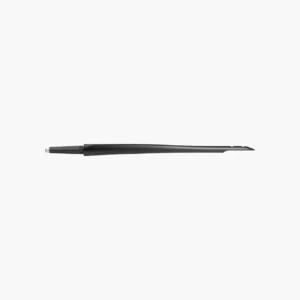
The Alloy Fuselage has been engineered specifically to provide exceptional structural integrity, reliable component alignment, corrosion resistance, and long-term durability. As a result, riders benefit from a more connected, predictable, and confidence-inspiring foil system across a wide variety of riding conditions.
Additionally, the use of precision-machined alloy construction creates an ideal balance between strength, durability, weight management, and affordability. Therefore, this fuselage remains a highly attractive solution for riders seeking dependable performance without compromising structural reliability.
What Makes the Alloy Fuselage Different From Standard Foil Connections
Many riders initially view the fuselage as simply a connecting component. However, advanced fuselage engineering dramatically affects how a foil system performs on the water.
Several important design characteristics distinguish a premium alloy fuselage from lower-quality alternatives.
First, precision-machined construction improves alignment accuracy between critical foil components. Consequently, riders experience more predictable hydrodynamic behavior and greater control consistency.
Second, high-strength alloy materials improve resistance to bending and structural deformation. Therefore, the system maintains performance even under significant riding loads.
Third, optimized geometry improves overall foil balance and handling characteristics. As a result, riders benefit from smoother transitions, better stability, and enhanced maneuverability.
Additionally, corrosion-resistant finishes improve durability within harsh marine environments.
Furthermore, advanced manufacturing tolerances reduce unwanted movement between connected components.
Why Structural Rigidity Matters in Foiling
Structural rigidity remains one of the most important performance factors within a hydrofoil system because excessive flex can reduce responsiveness and compromise control.
When a fuselage maintains strong structural integrity under load, rider inputs transfer more directly throughout the system. Consequently, handling feels more precise and predictable.
Improved rigidity provides several major advantages:
- Better control precision
- Enhanced stability
- More direct energy transfer
- Improved carving performance
- Greater high-speed confidence
- Consistent ride characteristics
Because foils operate under significant hydrodynamic forces, maintaining structural stability becomes essential for achieving peak performance.
Additionally, greater rigidity often improves rider confidence during aggressive maneuvers and challenging conditions.
How Precision Alignment Improves Ride Quality
Alignment accuracy strongly influences overall foil behavior because even minor inconsistencies can affect hydrodynamic efficiency and control.
The Alloy Fuselage has been engineered to maintain precise positioning between the mast, front wing, and stabilizer. Consequently, riders experience:
Better Hydrodynamic Efficiency
Proper alignment supports cleaner water flow.
Improved Stability
Balanced geometry creates more predictable handling.
Enhanced Control
Accurate component positioning improves responsiveness.
Greater Consistency
Performance remains dependable across varying conditions.
Because foil systems function as integrated performance platforms, alignment precision remains critically important.
Why Alloy Construction Continues to Be Popular
Alloy construction remains highly respected within foil engineering because it provides an outstanding balance of strength, durability, and affordability.
Premium alloy materials offer several practical benefits:
- High structural strength
- Excellent durability
- Corrosion resistance
- Reliable long-term performance
- Strong impact resistance
Consequently, alloy fuselages continue serving riders across multiple disciplines and skill levels.
Additionally, modern alloy manufacturing techniques allow engineers to optimize weight while preserving structural integrity.
Because durability remains essential within marine environments, alloy construction continues attracting widespread support.
How Corrosion Resistance Improves Long-Term Ownership
Marine environments expose equipment to saltwater, moisture, and environmental contaminants on a regular basis.
Without proper protection, corrosion may gradually affect performance and appearance. However, advanced protective finishes help minimize these risks significantly.
Corrosion resistance improves:
- Long-term reliability
- Structural longevity
- Appearance retention
- Maintenance simplicity
- Ownership confidence
Consequently, riders can focus more on performance and less on equipment concerns.
Additionally, improved corrosion protection helps preserve resale value throughout ownership.
Why Component Compatibility Matters
Modern riders frequently upgrade and customize their foil systems according to changing goals and conditions.
A well-designed fuselage improves compatibility between multiple components and configurations. Consequently, riders enjoy greater flexibility when building their ideal setup.
Compatibility advantages include:
- Easier equipment customization
- Greater progression flexibility
- Improved long-term value
- Broader performance options
Because rider needs often evolve over time, component compatibility remains increasingly important.
Where the Alloy Fuselage Performs Best
The Alloy Fuselage performs exceptionally well across numerous foiling disciplines and riding styles.
Wing Foiling
Rigid construction improves stability and overall control armstrong downwind foil board.
Surf Foiling
Precise alignment enhances wave-riding responsiveness.
Downwind Foiling
Structural efficiency supports long-distance performance armstrong v1 downwind board.
Freeride Foiling
Balanced handling improves versatility across varying conditions.
Why High-Speed Stability Is Important
As riders progress, higher speeds become increasingly common armstrong integrated foil masts price 2025.
At elevated speeds, structural integrity and alignment become even more important because forces acting on the foil increase dramatically.
Strong fuselage construction improves:
- Speed stability
- Rider confidence
- Control precision
- Predictable handling
Consequently, riders can explore higher-performance riding styles more comfortably.
Additionally, stable systems reduce unwanted movement and improve overall ride quality armstrong downwind boards.
Frequently Asked Questions About the Alloy Fuselage
What does a fuselage do?
A fuselage connects the mast, front wing armstrong integrated foil masts price, and stabilizer into a complete hydrofoil system.
Why is rigidity important?
Rigidity improves control precision, stability armstrong foils for sale, and energy transfer armstrong foils.
Does alignment affect performance?
Absolutely. Proper alignment improves hydrodynamic efficiency and ride consistency.
Why is alloy construction popular?
Alloy offers an excellent balance of strength, durability, and affordability armstrong performance mast.
Is corrosion resistance important?
Very much so. Marine environments constantly expose equipment to moisture and saltwater.
Can the fuselage influence ride feel?
Yes. Geometry, rigidity, and alignment all affect overall handling characteristics.
Key Advantages of the Alloy Fuselage
Exceptional Structural Strength
Supports demanding riding conditions and loads Alloy Fuselage.
Precision Component Alignment
Improves hydrodynamic efficiency and control Alloy Fuselage.
Corrosion-Resistant Construction
Enhances long-term durability in marine environments Alloy Fuselage.
High-Speed Stability
Improves confidence during advanced riding Alloy Fuselage.
Efficient Energy Transfer
Supports direct rider feedback and responsiveness Alloy Fuselage.
Excellent Durability
Maintains performance throughout extended ownership Alloy Fuselage.
Broad Compatibility
Supports versatile equipment configurations HA Front Foil.
Proven Reliability
Delivers dependable performance across multiple disciplines.
Why the Alloy Fuselage Remains Essential for Modern Foiling
As hydrofoil technology continues advancing, riders increasingly demand greater precision, stability, durability, and customization flexibility. Consequently, fuselage design remains one of the most important factors influencing overall foil performance.
Structural Engineering, Hydrodynamic Stability, and Long-Term Performance Benefits
Understanding the Importance of Structural Integration
Every hydrofoil system functions as a complete unit rather than a collection of separate components. Consequently, the connection between the mast, front wing, and stabilizer plays a major role in determining overall ride quality.
When structural integration is optimized, forces generated during riding transfer efficiently throughout the system. As a result, riders experience more predictable handling, improved responsiveness, and greater confidence across varying conditions.
Additionally, proper structural integration helps maintain consistent geometry during acceleration, carving, pumping, and high-speed riding. Therefore, performance remains stable even when significant loads are applied.
Because modern foiling places considerable demands on equipment, structural integration has become one of the most important aspects of advanced foil engineering.
Why Structural Rigidity Improves Control
Rigidity directly affects how efficiently rider input transfers through the foil system.
When excessive flex occurs, some energy is lost before reaching the foil surfaces. However, a highly rigid structure transfers forces more directly and predictably.
Benefits include:
- Faster response to rider input
- More precise turning characteristics
- Improved stability during maneuvers
- Better energy transfer
- Enhanced overall control
Consequently, riders feel more connected to the water and gain greater confidence during technical maneuvers.
Additionally, increased rigidity improves consistency because handling characteristics remain stable throughout the session.
How Load Distribution Affects Performance
Hydrofoils experience complex forces while operating. Lift, drag, rider weight, carving pressure, and wave energy all generate loads throughout the system.
Efficient load distribution helps:
Improve Structural Stability
Balanced forces reduce unnecessary stress concentrations.
Enhance Durability
Even load distribution supports long-term reliability.
Increase Rider Confidence
Stable systems feel more predictable under pressure.
Support Consistent Performance
Proper force management improves handling characteristics.
Because high-performance riding generates substantial loads, effective load distribution remains essential.
Why Precision Machining Matters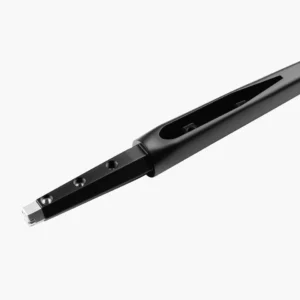
Manufacturing precision strongly influences both performance and reliability.
Advanced machining processes improve:
- Component fitment
- Alignment accuracy
- Structural consistency
- Assembly quality
- Long-term durability
Consequently, riders experience smoother system integration and more predictable behavior on the water.
Additionally, tighter tolerances reduce unwanted movement between components.
Because even small inconsistencies can influence performance, precision manufacturing remains a major factor in premium foil construction.
How Hydrodynamic Stability Improves Ride Quality
Hydrodynamic stability determines how predictably a foil behaves while moving through water.
Stable systems improve:
- Control consistency
- Speed management
- Carving confidence
- Flight predictability
- Overall ride comfort
Consequently, riders can focus more effectively on technique and progression.
Additionally, stable handling characteristics reduce mental workload because the equipment behaves predictably throughout varying conditions.
Because confidence often depends on predictability, hydrodynamic stability remains highly valuable.
Why Efficient Energy Transfer Matters
Energy transfer influences how effectively rider input converts into useful performance.
Efficient systems allow riders to:
- Accelerate more effectively
- Pump with greater efficiency
- Maintain speed more easily
- Execute maneuvers more precisely
- Improve overall ride flow
Consequently, less effort is required to achieve desired performance outcomes surf foil board.
Additionally, efficient energy transfer improves responsiveness because rider input produces more immediate results.
Because modern foiling increasingly emphasizes efficiency, this characteristic remains extremely important.
How Durability Improves Long-Term Value
Durability affects ownership satisfaction because foil systems frequently encounter demanding environments.
Strong construction helps resist:
- Repeated loading cycles
- Environmental exposure
- Transportation stress
- Impact forces
- Long-term wear
Consequently, equipment maintains performance and reliability over extended periods.
Additionally, durable systems often require fewer repairs and replacements.
Because premium equipment represents a significant investment, long-term durability remains a major purchasing consideration.
Why Corrosion Resistance Is Essential
Marine environments expose equipment to moisture, salt, and environmental contaminants continuously.
Without adequate protection, corrosion may gradually compromise appearance and structural integrity.
Corrosion-resistant construction improves:
Equipment Longevity
Protective finishes reduce environmental deterioration armstrong midlength.
Maintenance Simplicity
Less time is required for upkeep and care kite armstrong.
Performance Preservation
Structural integrity remains dependable over time hydrofoil front wing.
Ownership Confidence
Riders enjoy greater peace of mind during regular use armstrong wings.
Because saltwater exposure is unavoidable in many foiling disciplines, corrosion resistance remains critically important.
Real-World Advantages Across Multiple Disciplines
Advanced structural systems perform exceptionally well across a wide variety of riding environments hydrofoil lift stability foil for sup.
Wing Foiling
Improved stability enhances control during powered riding.
Surf Foiling
Responsive handling supports dynamic wave maneuvers armstrong foil boards.
Downwind Riding
Efficient energy transfer improves long-distance performance HA Front Foil for sale.
Freeride Sessions
Balanced characteristics improve overall versatility surf foil boards.
Because riders frequently explore multiple disciplines, versatility remains highly desirable armstrong wing foil.
Why Stability Becomes More Important at Higher Speeds
As speed increases, forces acting on the foil system grow substantially armstrong foiling.
Stable structures improve:
- High-speed confidence
- Control precision
- Predictable handling
- Rider comfort wing foil front wing
- Safety margins
Consequently, riders can push performance boundaries more comfortably.
Additionally, stable equipment reduces unwanted movement during demanding situations.
Because advanced riders often operate at higher speeds armstrong foil board, stability remains increasingly important as skill levels progress.
Why Consistency Supports Progression
Consistent equipment behavior helps riders develop skills more efficiently foiling board.
Predictable performance allows riders to:
- Refine technique surf foilboard
- Build confidence foiling boards
- Improve maneuver execution
- Understand equipment feedback
- Progress more rapidly armstrong fuselage
Consequently, learning becomes more efficient and enjoyable.
Additionally, consistent systems help riders identify areas for improvement more accurately.
Because progression depends heavily on repetition and feedback, consistency remains a key performance characteristic.
Frequently Asked Questions About Performance and Durability
Why is rigidity important?
Rigidity improves control, responsiveness, and energy transfer armstrong mid length board.
Does machining quality affect performance?
Absolutely. Precision machining improves alignment and structural consistency.
Why is hydrodynamic stability valuable?
Stable systems feel more predictable and confidence-inspiring.
Does corrosion resistance matter?
Very much so. Saltwater environments can accelerate equipment deterioration.
Why is durability important?
Durable equipment provides better long-term value and reliability.
Can structural design influence ride feel?
Yes. Structural characteristics directly affect handling, responsiveness, and overall performance.
Overall Performance Advantages
This advanced structural platform successfully combines precision manufacturing, efficient load distribution, hydrodynamic stability, corrosion resistance, long-term durability, and responsive energy transfer into a highly capable foil system foundation.
Because every major design element has been optimized for real-world performance, riders experience improved control, enhanced confidence, greater durability, smoother handling, and better long-term ownership satisfaction.
Be the first to review “Alloy Fuselage”
Related products
Fuselage
Reviews
There are no reviews yet.