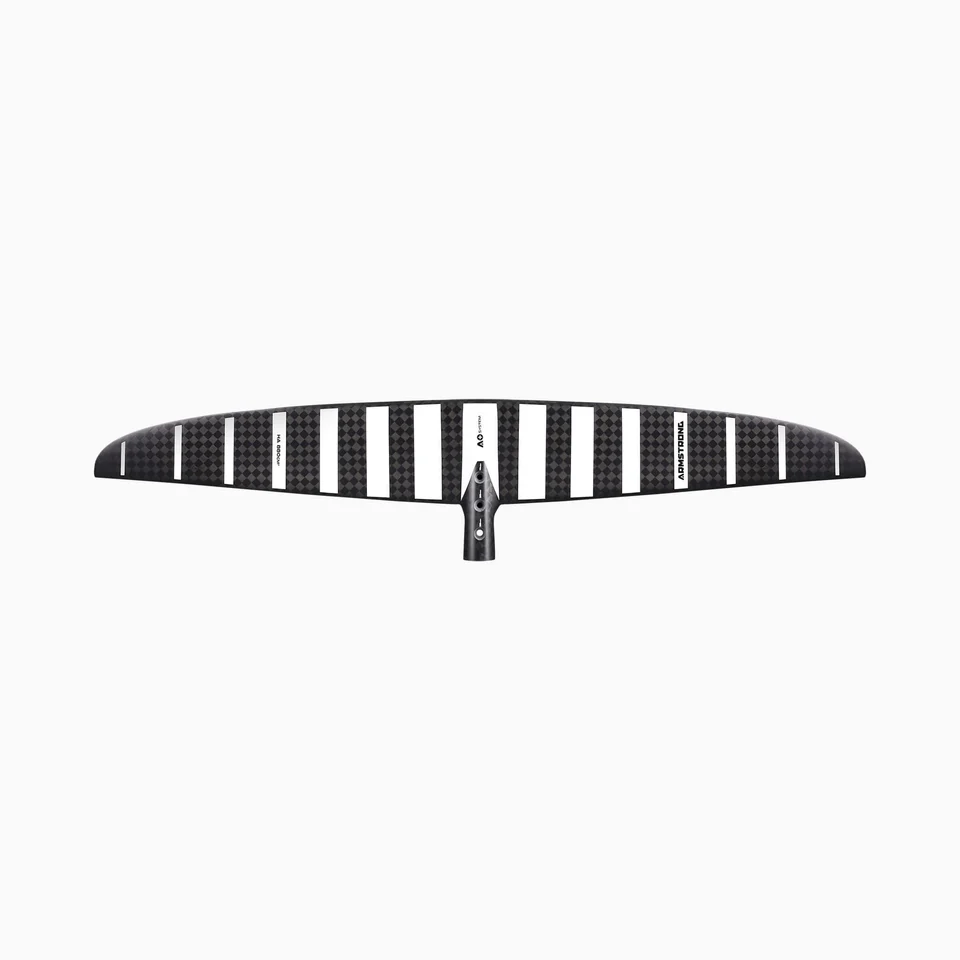
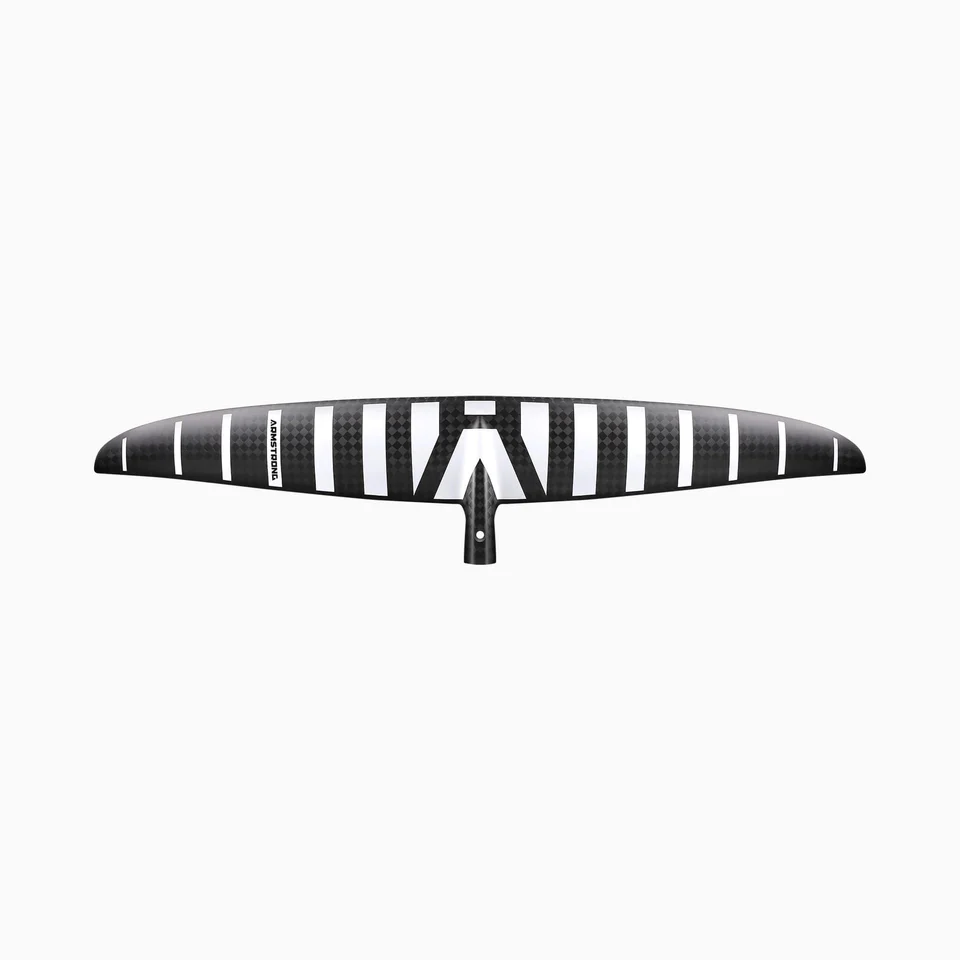
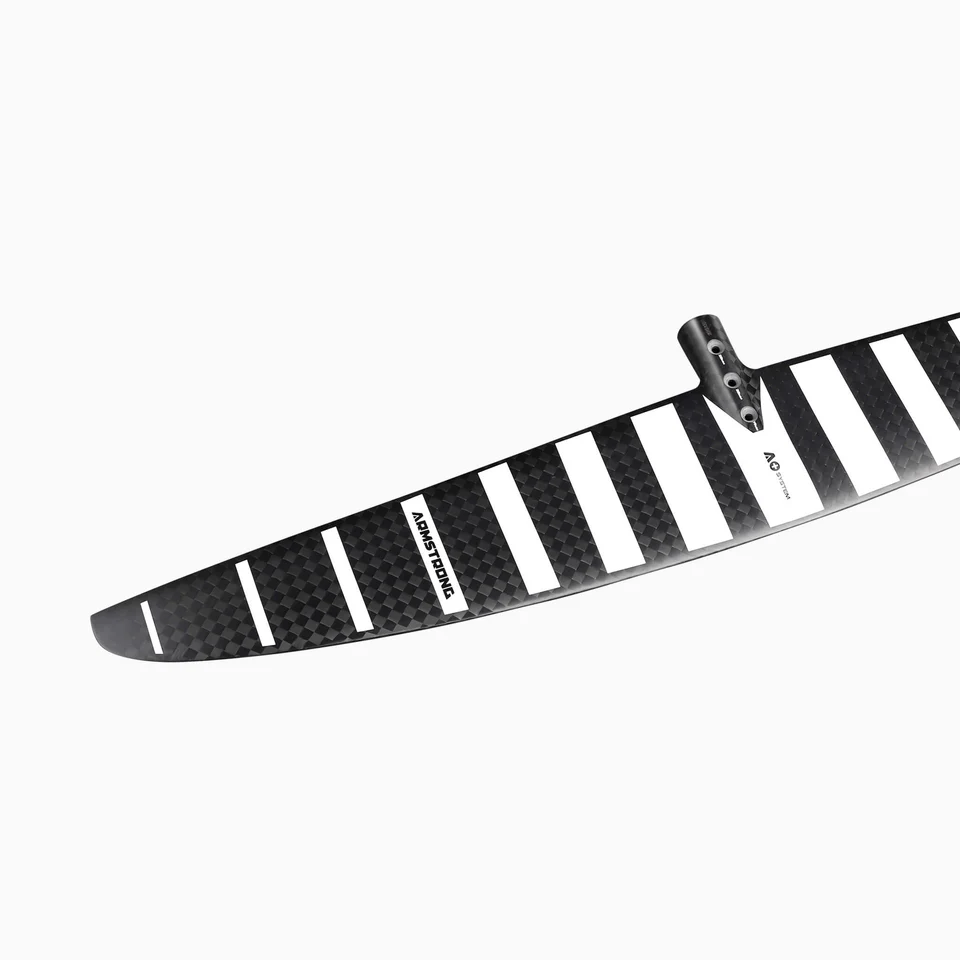
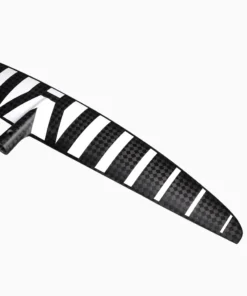
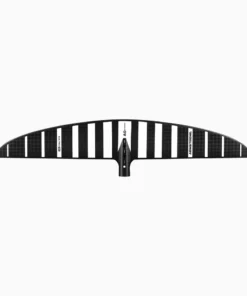
HA Front Foil
Price range: €400.00 through €600.00
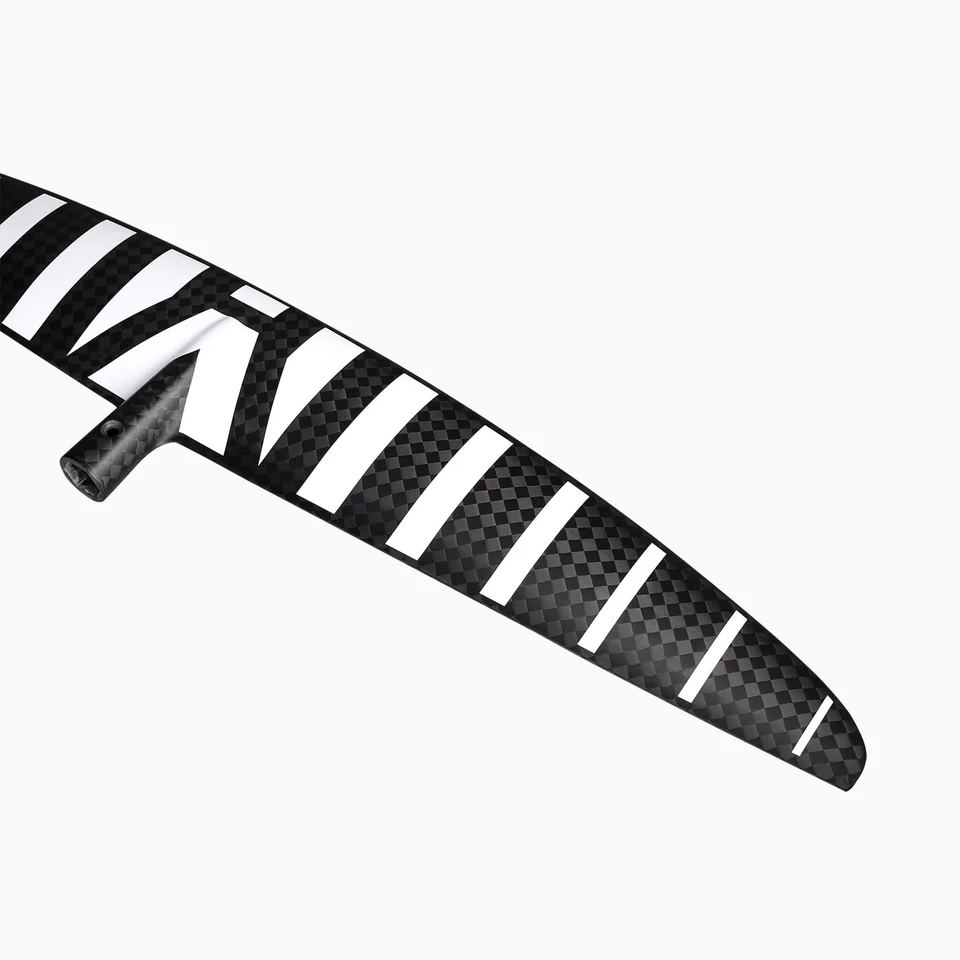
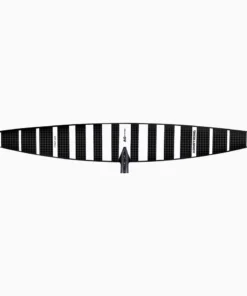
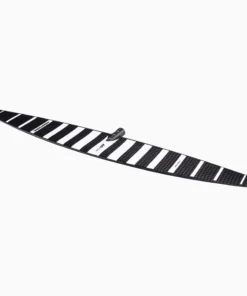
The HA sets the bar for high aspect front foils. From its glide and stability at high speed, to a telekinesis-like feel through turns and remarkable low speed lift, the way this front foil brings everything together is truly unique. Design parameters like section shape, outline, rondure and profile were developed by a leading CFD team and refined under the feet of our team riders with the goal of achieving not just high performance, but a truly fun rippability that pushes beyond what’s expected of high aspect designs. Whether it’s surf, wing or downwind foiling, the HA is a front foil that can truly do it all.
Inclusions
HA Front Foil – High Aspect Front Wing for Maximum Glide, Speed, Efficiency, and Advanced Foiling Performance
Introduction to the HA Front Foil and Its Advanced High-Aspect Performance Design
Why the HA Front Foil Represents the Evolution of Modern Foiling Technology
The HA Front Foil has been developed specifically for riders seeking greater glide efficiency, improved speed retention, enhanced pumping performance, and superior hydrodynamic efficiency across modern foiling disciplines. As foiling technology continues advancing rapidly, riders increasingly demand equipment capable of maximizing performance while maintaining predictable handling and long-session usability. Consequently, high-aspect front wings have become some of the most sought-after components within premium foiling systems.
Unlike traditional lower-aspect foil designs that prioritize early lift and maneuverability above all else, high-aspect configurations focus on maximizing efficiency, reducing drag, improving glide distance, and enhancing overall speed performance. As a result, riders experience longer flights, smoother energy transfer, and significantly improved riding efficiency across varying conditions.
The HA Front Foil combines refined hydrodynamic shaping, advanced composite construction, optimized aspect ratio geometry, and carefully engineered foil profiles to create a platform capable of supporting both advanced progression and elite-level performance. Consequently, riders benefit from greater speed potential, more efficient pumping, improved upwind capability, and smoother transitions between maneuvers.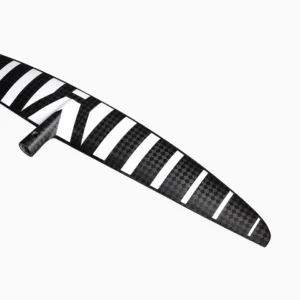
Additionally, the foil has been designed to perform across multiple disciplines including wing foiling, surf foiling, downwind foiling, and open-water performance riding. Therefore, riders can enjoy exceptional versatility while maintaining high-end performance characteristics.
What Makes the HA Front Foil Different From Traditional Front Wings
Several engineering characteristics distinguish this foil from conventional front wing designs currently available on the market.
First, the high-aspect geometry significantly improves glide efficiency. Because aspect ratio directly influences drag characteristics and lift efficiency, riders can travel farther while using less energy.
Second, refined foil sections improve speed stability and reduce turbulence across a wide operating range. Consequently, the foil remains predictable even during high-speed riding situations.
Third, advanced composite construction minimizes weight while maintaining exceptional stiffness. As a result, riders experience more direct energy transfer and improved control precision.
Additionally, optimized span distribution improves lift consistency throughout varying riding conditions.
Furthermore, carefully engineered wingtip geometry helps reduce induced drag while supporting smoother handling characteristics.
Why High-Aspect Design Improves Foiling Efficiency
Aspect ratio plays a critical role in foil performance because it directly affects drag generation, lift efficiency, glide capability, and pumping behavior.
A high-aspect configuration generally produces greater hydrodynamic efficiency by reducing induced drag while maintaining effective lift generation. Consequently, riders experience:
- Longer glide distances
- Better speed retention
- Improved pumping efficiency
- Enhanced upwind performance
- Reduced rider fatigue
- Greater overall efficiency
Because energy retention remains one of the most important factors within modern foiling disciplines, high-aspect wings continue gaining popularity among advanced riders worldwide.
Additionally, efficient lift generation allows riders to maintain flight more easily during transitions and lower-power conditions.
How Hydrodynamic Engineering Improves Performance
Hydrodynamic efficiency remains one of the most important aspects of modern foil design because water flow characteristics influence speed, stability, lift, and overall ride quality.
The HA Front Foil incorporates refined foil sections designed to improve water flow management while minimizing drag production. Consequently, riders experience cleaner acceleration and smoother high-speed behavior.
Additionally, optimized pressure distribution improves lift consistency throughout varying riding conditions.
This engineering approach provides several major advantages:
Cleaner Water Flow
Improved hydrodynamic efficiency reduces turbulence and drag.
Better Speed Stability
The foil remains controlled and predictable at higher speeds.
Improved Glide Performance
Energy retention increases significantly during flight.
Enhanced Pumping Efficiency
Riders can maintain momentum more effectively between power sources.
Because efficient hydrodynamics improve every aspect of foiling performance, advanced shaping remains essential within premium front wing development.
Why Glide Matters So Much in Modern Foiling
Glide performance strongly influences riding efficiency because longer glide distances reduce rider workload and improve overall flow.
A highly efficient front wing allows riders to travel farther between power inputs while maintaining stable flight characteristics. Consequently, riders experience:
- Smoother riding flow
- Longer rides foil for sup
- Reduced physical effort
- Better connection between waves
- Improved downwind capability
Additionally, improved glide creates a more fluid and enjoyable riding experience.
Because modern foiling increasingly emphasizes efficiency and flow, glide performance remains one of the most desirable characteristics among experienced riders.
Why Pumping Efficiency Improves Rider Progression
Pumping efficiency determines how effectively riders can generate and maintain momentum while foiling.
Efficient pumping allows riders to:
- Extend ride duration
- Connect multiple wave sections
- Improve downwind performance
- Recover speed more easily
- Reduce energy expenditure
Consequently, riders gain access to new riding possibilities while improving overall progression potential.
Additionally, efficient pumping behavior increases confidence during challenging conditions and advanced maneuvers.
How Advanced Composite Construction Improves Control
Construction quality strongly affects responsiveness, stiffness, and overall performance.
The HA Front Foil incorporates advanced composite engineering designed to maximize stiffness while minimizing unnecessary weight. Consequently, riders benefit from:
- More direct control input
- Improved energy transfer
- Better high-speed stability
- Reduced flex under load
- Enhanced maneuver precision
Additionally, lightweight construction improves responsiveness during dynamic riding situations.
Because structural rigidity directly influences handling quality, advanced materials remain essential within high-performance foil systems.
Where the HA Front Foil Performs Best
This foil performs exceptionally well across multiple modern foiling disciplines.
Wing Foiling
Efficient lift generation and glide performance improve overall riding efficiency.
Surf Foiling
Long glide distances help riders connect waves more effectively.
Downwind Foiling
Energy retention and pumping efficiency support longer downwind runs.
Open-Water Performance Riding
High-speed stability improves confidence during advanced riding sessions.
Why Riders Appreciate Speed Retention
Speed retention remains one of the defining advantages of high-aspect foil designs.
Efficient hydrodynamics allow riders to maintain momentum with less effort. Consequently, speed carries naturally through turns, transitions, and pumping sequences.
This creates several important benefits:
- Reduced fatigue
- Better ride flow
- More efficient energy usage
- Enhanced progression potential
- Improved maneuver continuity
Because maintaining speed often determines overall riding quality, efficient speed retention remains highly valuable.
Frequently Asked Questions About the HA Front Foil
What does high aspect mean?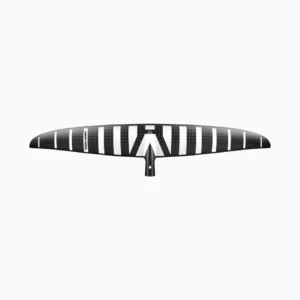
High aspect refers to a wing shape featuring greater span relative to chord length, improving efficiency and glide performance.
Is the foil suitable for beginners?
Intermediate and advanced riders typically benefit most from high-aspect performance characteristics.
Why does glide matter?
Better glide improves efficiency, ride duration, and overall flow.
Is pumping easier with a high-aspect design?
Yes. Efficient lift generation improves pumping performance significantly hydrofoil front wing.
Why is stiffness important?
Greater stiffness improves responsiveness and energy transfer surf foil boards.
Can the foil be used across multiple disciplines?
Absolutely. The design performs effectively for wing, surf, and downwind foiling.
Key Advantages of the HA Front Foil
High Glide Efficiency
Supports longer rides and improved energy retention.
Advanced Hydrodynamic Design
Reduces drag while improving lift performance.
Superior Pumping Capability
Helps riders maintain momentum more effectively armstrong wing foil.
Exceptional Speed Stability
Provides confidence during advanced riding situations.
Lightweight Composite Construction
Improves responsiveness and maneuverability armstrong midlength.
Efficient Upwind Performance
Supports better angle and distance management armstrong foiling.
Long-Distance Riding Capability
Enhances downwind and endurance-focused sessions wing foil front wing.
Multi-Discipline Versatility
Performs across numerous modern foiling applications.
Why Advanced Riders Continue Choosing High-Aspect Foils
Modern foiling progression increasingly depends on efficiency, glide, speed retention, and energy management. Consequently, high-aspect front wings continue attracting riders seeking elite-level performance and greater riding freedom foiling boards.
Advanced Hydrodynamic Efficiency, Maximum Glide Performance, and Long-Distance Riding Advantages
Understanding the Science Behind High-Efficiency Foiling
Modern foil design has evolved significantly as riders continue demanding longer glide distances, greater speed retention, reduced drag, and more efficient energy transfer. Consequently, engineers now focus heavily on optimizing hydrodynamic efficiency rather than relying solely on lift generation.
Hydrodynamic efficiency determines how effectively a foil converts rider input and environmental energy into forward movement. Therefore, reducing drag while maintaining stable lift becomes one of the most important objectives within advanced foil development.
When drag is minimized and water flow remains clean across the foil surface, riders experience smoother acceleration, greater speed maintenance, and significantly improved overall efficiency. As a result, less energy is required to maintain flight, allowing riders to stay on foil longer and travel farther between power inputs armstrong downwind boards.
Additionally, efficient hydrodynamic behavior improves ride quality because the foil feels more predictable, controlled, and responsive across varying conditions armstrong integrated foil masts price 2025.
Why Reduced Drag Improves Every Aspect of Foiling
Drag acts as resistance against forward motion. Therefore, reducing drag remains one of the most effective ways to improve overall foil performance kite armstrong surf foilboard.
When drag decreases, riders immediately benefit from:
- Greater glide distance
- Higher average speeds
- Improved pumping efficiency
- Better energy retention
- Reduced rider fatigue
- Smoother ride flow HA Front Foil for sale
Consequently, riders spend less effort maintaining flight and more time enjoying efficient foiling performance armstrong wings.
Additionally, lower drag improves acceleration characteristics because less resistance opposes forward movement.
Because drag affects virtually every aspect of foiling, minimizing unnecessary resistance remains a major engineering priority.
How Lift Efficiency Improves Performance
Lift efficiency refers to how effectively a foil generates usable lift relative to the drag it produces armstrong foils for sale.
Efficient lift generation provides several major advantages:
Earlier Flight Stability
Consistent lift helps maintain predictable flight characteristics HA Front Foil.
Better Speed Management
Balanced lift allows smoother control throughout varying speeds armstrong v1 downwind board.
Reduced Energy Consumption
Riders expend less effort maintaining stable flight HA Front Foil.
Improved Long-Distance Capability
Efficient lift helps preserve momentum over extended distances armstrong fuselage.
Because lift efficiency directly affects rider workload, improvements in this area dramatically enhance overall riding enjoyment.
Additionally, efficient lift contributes to more controlled and confidence-inspiring handling behavio HA Front Foilr.
Why Glide Performance Defines Advanced Foiling
Glide performance has become one of the most important characteristics within modern foiling disciplines because it influences speed retention, ride duration, and overall flow armstrong performance mast.
A highly efficient foil continues moving forward even after power input decreases hydrofoil lift stability. Consequently, riders experience smoother transitions and longer uninterrupted rides armstrong foil boards.
Strong glide characteristics improve:
- Wave connection capability
- Downwind performance surf foil board
- Energy conservation armstrong downwind foil board
- Riding fluidity HA Front Foil
- Session endurance
Additionally, improved glide allows riders to focus more on reading conditions and executing maneuvers rather than constantly generating speed.
Because efficient gliding creates a smoother and more effortless riding experience, advanced riders often prioritize this characteristic heavily HA Front Foil.
How Water Flow Management Improves Stability
Water flow behavior directly affects lift consistency, drag generation, and overall handling predictability.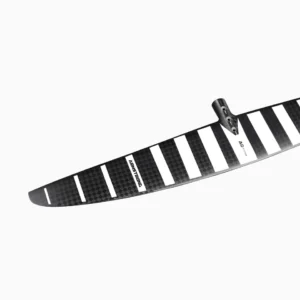
Advanced foil profiles are designed to maintain clean and stable flow across varying speeds and riding conditions. Consequently, riders experience more predictable performance throughout the flight envelope HA Front Foil.
Stable water flow improves:
Speed Consistency
The foil remains efficient across a broad operating range.
Predictable Handling
Control inputs produce more reliable responses.
Better High-Speed Confidence
Clean flow reduces instability during faster riding situations.
Improved Ride Comfort
Stable hydrodynamics create smoother overall performance.
Because predictable behavior improves rider confidence significantly, water flow management remains a major focus within advanced foil engineering.
Be the first to review “HA Front Foil”
Related products
Front Foil
Front Foil
Front Foil
Front Wings
Front Foil
Front Wings
Reviews
There are no reviews yet.