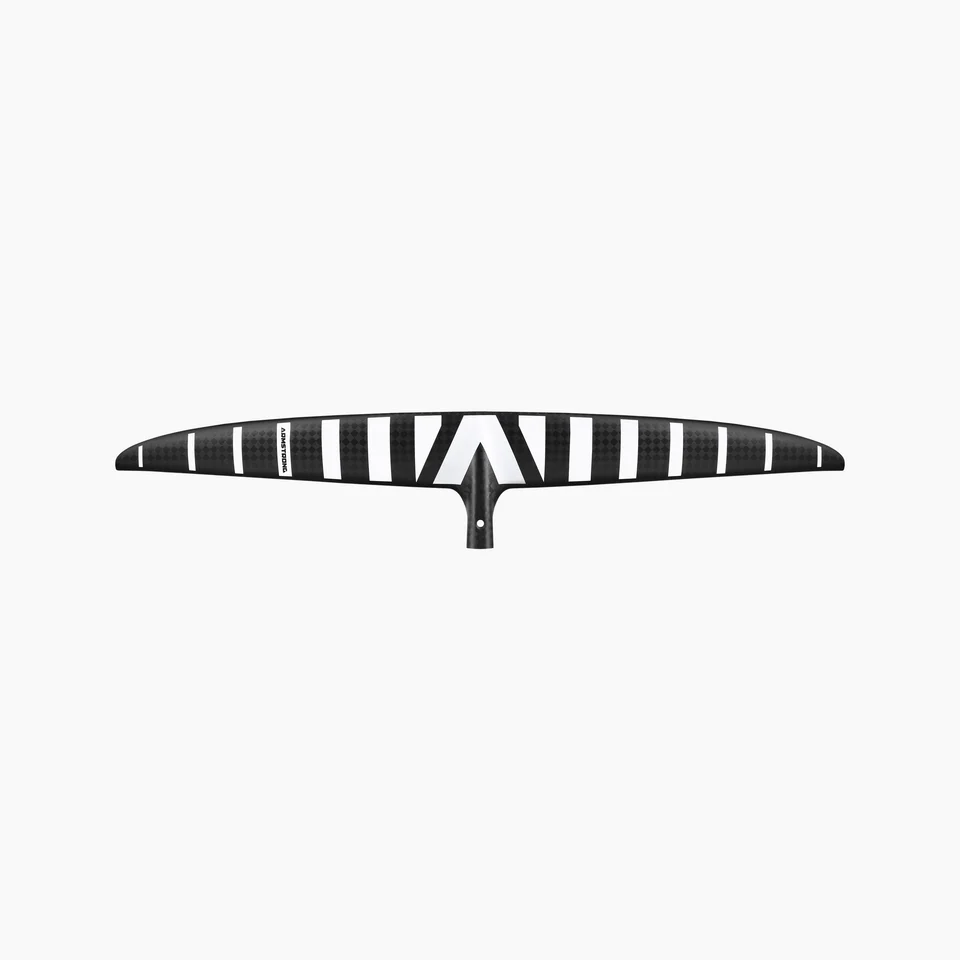
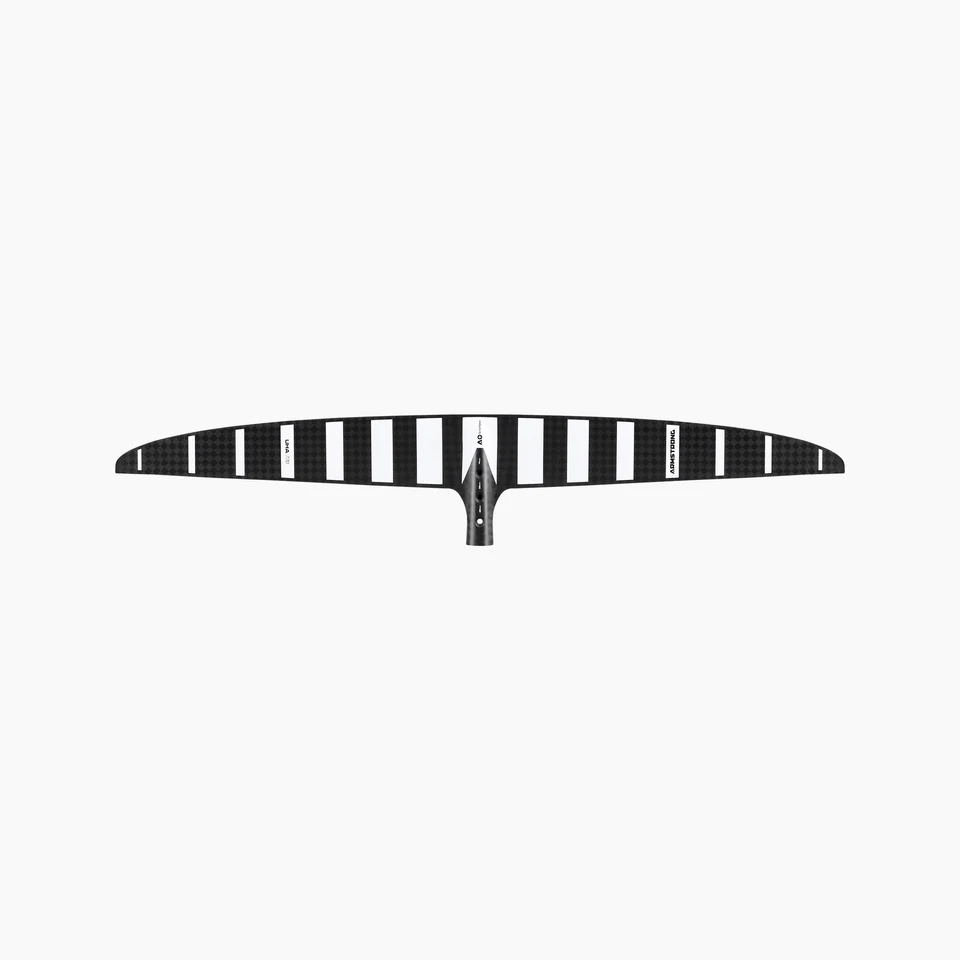
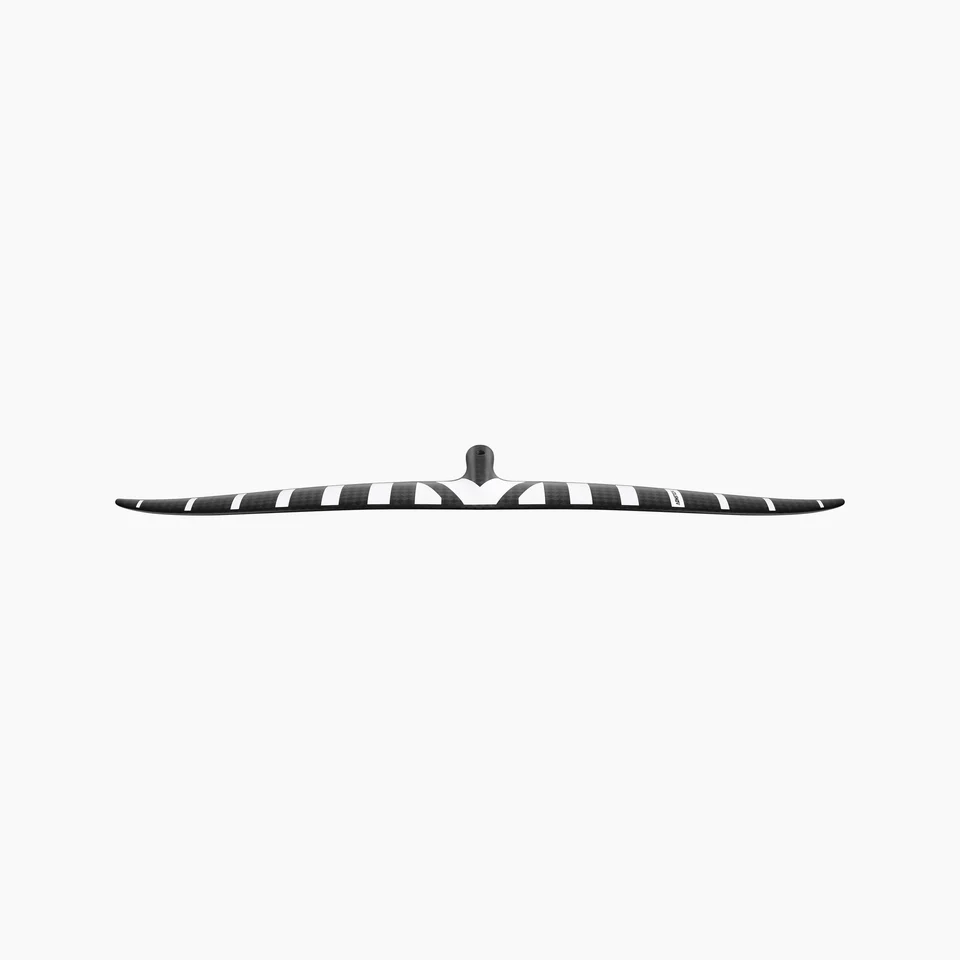
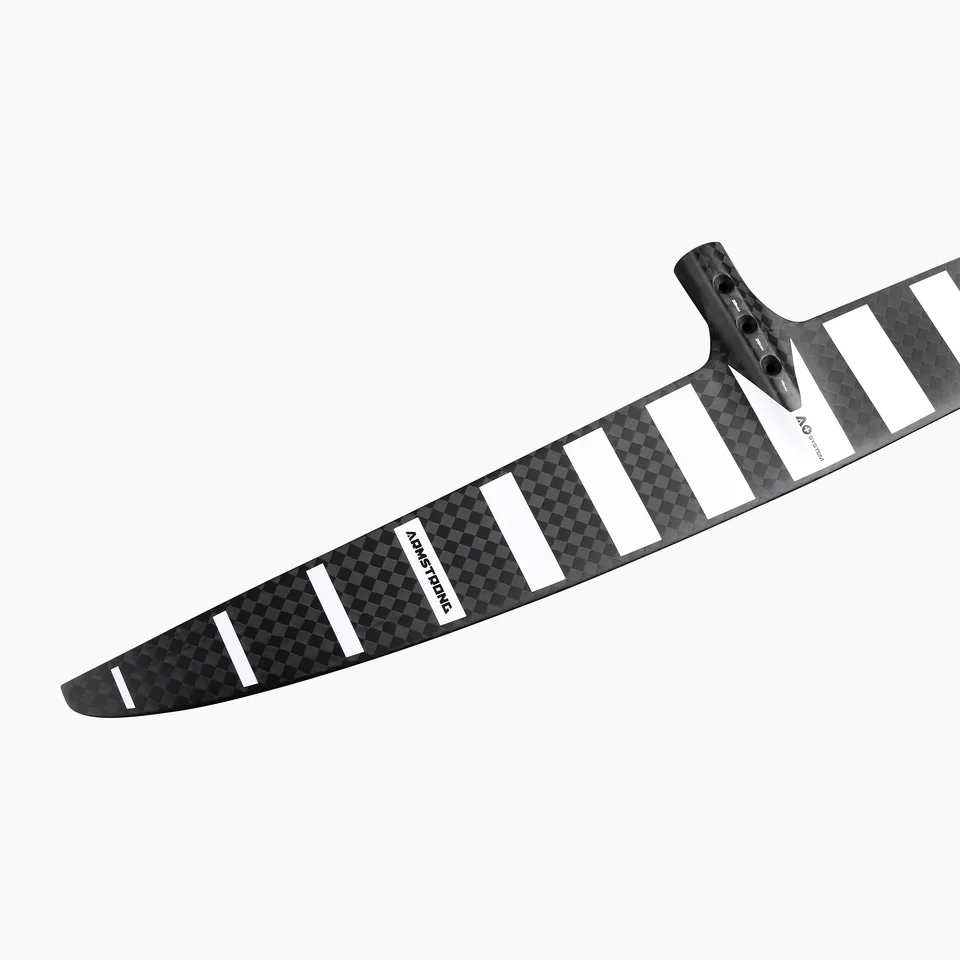
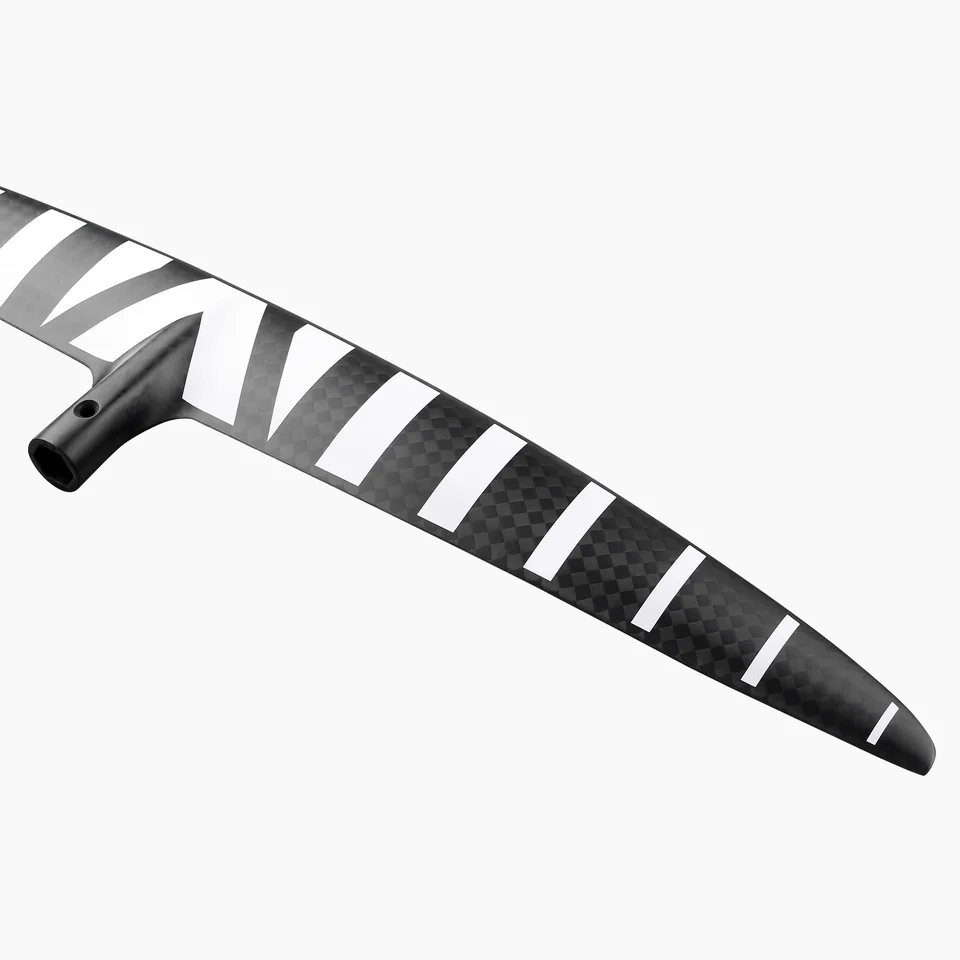
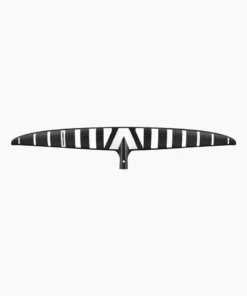
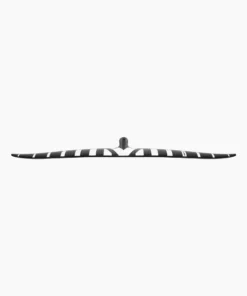
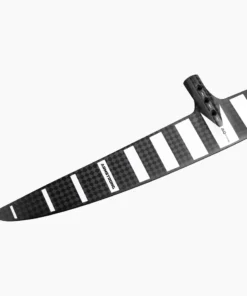
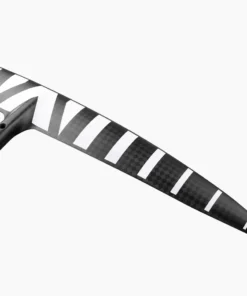
UHA FRONT FOIL
Price range: €700.00 through €800.00
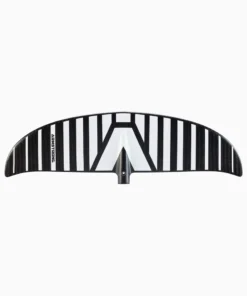
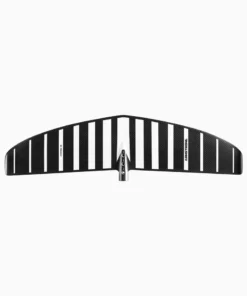
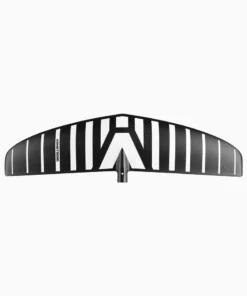
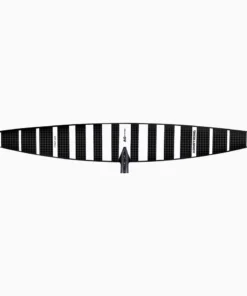
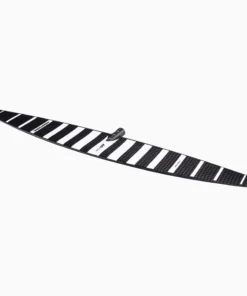
The UHA represents the next chapter in foil progression. A foil that not only extends your sessions but also transforms them. With a 12.6 aspect ratio, riders experience ultimate glide efficiency, incredibly low stall speed and the intuitive Armstrong turning feel that defines the brand. The UHA turns the ocean into one continuous playground, where every bump, every line and every section becomes part of an unbroken flow.
Specifications
| UHA570 | UHA670 | UHA770 | UHA870 | UHA970 | UHA1070 | UHA1270 | |
|---|---|---|---|---|---|---|---|
| Area (cm²) | 570 | 670 | 770 | 870 | 970 | 1070 | 1270 |
| Span (mm) | 847 | 919 | 985 | 1047 | 1106 | 1161 | 1265 |
| Aspect Ratio | 12.6 | 12.6 | 12.6 | 12.6 | 12.6 | 12.6 | 12.6 |
| Weight (kg) | 560 | 625 | 625 | 685 | 835 | 870 | 935 |
UHA FRONT FOIL – High-Performance Hydrofoil Wing for Precision Lift, Speed Control, and Advanced Water Sports Performance
Introduction to the UHA FRONT FOIL and Its Advanced Hydrofoil Performance Design
Why the UHA FRONT FOIL Is Redefining Modern Hydrofoil Performance
The UHA FRONT FOIL represents a new generation of hydrofoil engineering designed for riders who demand efficiency, control, stability, and dynamic responsiveness across multiple foiling disciplines. While many hydrofoil wings focus narrowly on either speed or lift, this platform has been engineered to create a balanced riding experience that performs exceptionally well in real-world water conditions. Consequently, riders experience smoother takeoffs, improved glide efficiency, sharper carving precision, and more predictable handling throughout varying conditions.
Modern foiling continues evolving rapidly, especially within wing foiling, surf foiling, downwind foiling, and freeride performance riding. Therefore, riders increasingly require front foil designs capable of adapting to changing wind conditions, wave energy, rider skill progression, and water surface dynamics. Fortunately, the foil addresses these demands through advanced hydrodynamic shaping, carefully optimized wing geometry, and premium composite construction.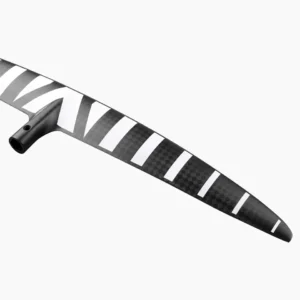
Because hydrofoil performance depends heavily on efficiency and water flow management, every aspect of the foil profile has been designed to reduce drag while maximizing lift stability. As a result, riders benefit from earlier lift-off speeds, smoother acceleration, and improved energy retention during glides.
Additionally, the foil delivers a refined balance between maneuverability and stability. Consequently, beginners can develop confidence more quickly while advanced riders maintain the responsiveness needed for aggressive carving and technical riding styles.
What Makes the UHA FRONT FOIL Different From Standard Hydrofoil Wings
Several important engineering characteristics distinguish this front foil from conventional hydrofoil designs currently available within the market.
First, the foil profile has been optimized for efficient low-speed lift generation. Because earlier lift reduces rider fatigue and improves accessibility, takeoffs become smoother even in lighter wind conditions or weaker wave energy environments.
Second, the wing geometry promotes stable water flow across the foil surface. Consequently, riders experience less turbulence disruption and improved directional predictability throughout transitions and turns.
Third, the aspect ratio has been carefully balanced to support both glide efficiency and responsive maneuverability. High-aspect foils often prioritize speed but sacrifice turning responsiveness, while low-aspect designs may carve well but lose glide efficiency. Therefore, this design philosophy aims to provide versatility across multiple riding disciplines.
Furthermore, advanced composite materials contribute significantly to structural rigidity. Since flex control directly influences handling precision, the foil maintains consistent performance characteristics even under heavy loading conditions hydrofoil lift stability.
How Advanced Hydrodynamic Engineering Improves Ride Quality
Hydrofoil behavior depends heavily on how water moves around the wing surfaces during motion. Therefore, hydrodynamic engineering plays a critical role in overall ride quality kite armstrong.
The foil profile has been shaped carefully to improve laminar flow characteristics while reducing unnecessary drag zones. Consequently, riders maintain speed more efficiently with less physical effort.
Additionally, optimized wing curvature improves lift distribution across the span of the foil. Because balanced lift characteristics stabilize the platform during acceleration, riders experience smoother flight behavior and reduced instability during takeoff phases.
Another important advantage involves controlled stall behavior. Sudden stall characteristics can destabilize riders unexpectedly, especially during slower maneuvers or aggressive carving transitions. Fortunately, this foil has been engineered to maintain more forgiving low-speed handling behavior. Therefore, rider confidence improves substantially during progression phases.
Why Riders Appreciate Early Lift and Efficient Glide
Early lift represents one of the most important characteristics within modern hydrofoil performance. Since lower takeoff speeds reduce physical effort, riders conserve more energy throughout longer sessions.
The foil’s efficient lift profile allows riders to rise onto foil earlier compared to many traditional designs. Consequently, lighter wind conditions and smaller wave energy become more rideable armstrong foiling.
This advantage creates several important real-world benefits:
- Reduced pumping effort
- Easier session starts armstrong mid length board
- Improved beginner accessibility
- Better light-wind capability armstrong wing foil
- Enhanced downwind performance
- Longer glide distances
Additionally, efficient glide performance allows riders to maintain momentum more naturally between power zones. Therefore, transitions become smoother and less physically demanding.
Where the UHA FRONT FOIL Performs Best
This hydrofoil platform performs exceptionally well across multiple water sports disciplines.
Wing Foiling
Wing foilers benefit from the foil’s balanced lift characteristics and predictable turning response. Consequently, riders maintain better control during gusty wind conditions and dynamic transitions foiling boards.
Surf Foiling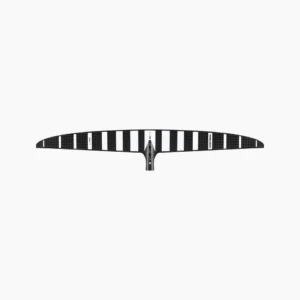
Wave riders appreciate the foil’s carving capability and efficient glide behavior. Since energy retention remains stable through turns, riders can link wave sections more effectively armstrong foils for sale.
Downwind Foiling
Efficient glide and low drag characteristics improve downwind riding considerably. Therefore, riders can connect swell energy with reduced pumping fatigue.
Freeride Cruising
Recreational freeriders enjoy the foil’s stability and forgiving handling characteristics. Consequently, longer sessions become more comfortable and confidence-inspiring armstrong downwind board.
Why Stability Matters for Hydrofoil Progression
Hydrofoil progression depends heavily on rider confidence. Unstable or unpredictable foil behavior often slows learning development and increases fatigue armstrong integrated foil masts price 2025.
Fortunately, this front foil provides highly controlled lift behavior and directional predictability. Therefore, riders can focus more effectively on improving technique rather than constantly correcting instability.
Stable foils also reduce the likelihood of sudden breaches or unexpected drops during flight. Consequently, rider safety and comfort improve significantly armstrong fuselage foil for sup.
Advanced Composite Construction and Structural Integrity
Material selection plays a major role in hydrofoil performance because stiffness directly influences responsiveness and efficiency.
This foil incorporates advanced composite construction techniques designed to maximize rigidity while minimizing unnecessary weight. Consequently, riders experience more immediate handling response and improved energy transfer during turns armstrong foil board.
Additionally, reinforced structural layering improves long-term durability under repeated loading cycles. Since hydrofoils encounter significant pressure forces during riding, structural integrity becomes extremely important for consistent long-term performance.
The lightweight construction also improves transport convenience and reduces overall system inertia during maneuvering armstrong midlength.
Advanced Hydrodynamics, Lift Efficiency, and Real-World Foiling Control
Understanding Modern Front Wing Hydrodynamics
Hydrofoil technology has evolved dramatically over the last decade, especially as riders continue demanding greater efficiency, smoother lift generation, and more responsive control across varying water conditions. Consequently, modern foil engineering now focuses heavily on hydrodynamic balance rather than relying purely on surface area or raw speed potential HA Front Foil for sale.
Water flow management plays a central role in overall foil performance because every movement across the wing surface directly influences lift generation, drag resistance, acceleration, and turning behavior. Therefore, advanced wing profiles must carefully manage pressure distribution while maintaining stable flow characteristics throughout changing riding angles surf foil boards.
This design philosophy prioritizes controlled lift generation and clean water release patterns. As a result, riders experience smoother takeoffs, more predictable flight stability armstrong downwind foil, and improved glide continuity during transitions armstrong downwind boards.
Additionally, optimized foil geometry helps minimize turbulence buildup beneath the wing. Because turbulent flow can destabilize flight behavior, maintaining cleaner hydrodynamic efficiency significantly improves rider confidence and control wing foil front wing.
Why Lift Efficiency Matters in Foiling Performance
Lift efficiency remains one of the most important characteristics within hydrofoil design because it directly affects takeoff speed, rider fatigue, pumping effort, and low-speed usability hydrofoil front wing.
Efficient lift generation allows riders to rise above the water surface earlier with less physical exertion. Consequently, lighter wind conditions and smaller wave energy become substantially easier to ride armstrong integrated foil masts price armstrong v1 downwind board.
This advantage creates several important real-world benefits:
- Easier session starts armstrong wings
- Reduced leg fatigue armstrong foil boards
- Lower pumping intensity armstrong downwind foil board
- Improved beginner progression
- Better low-energy wave riding
- More efficient light-wind performance
Furthermore, efficient lift characteristics help maintain stable flight during slower maneuvers. Since many riders lose balance during low-speed transitions, improved low-speed support enhances overall ride confidence considerably surf foil board.
Why Efficient Water Release Improves Performance
Water release behavior influences speed retention and drag characteristics heavily. Poor release patterns create turbulence, instability, and unnecessary resistance.
This design uses refined trailing-edge shaping to improve water separation efficiency. Consequently, riders experience cleaner acceleration and smoother glide continuation.
Efficient release patterns also contribute to quieter ride behavior and reduced vibration sensations during higher-speed runs.
Important Questions Riders Frequently Ask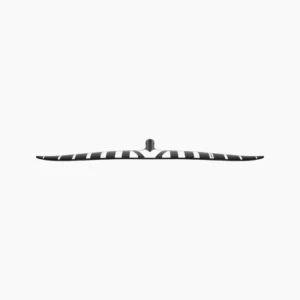
Is stability more important than speed?
For most riders, yes. Stability improves confidence surf foilboard, progression, and overall session enjoyment significantly.
Why does low-speed lift matter?
Efficient low-speed lift improves takeoff ease and reduces physical fatigue armstrong foils.
Does reduced drag really make a noticeable difference?
Absolutely. Better glide efficiency improves energy retention and riding fluidity considerably.
Is rigidity important for advanced riders?
Yes. Greater stiffness improves responsiveness and maneuver precision.
Why do experienced riders prioritize glide efficiency?
Efficient glide conserves energy while improving swell connection and ride continuity.
Does foil shape affect turning performance?
Very much so. Wing geometry heavily influences carving smoothness and directional control.
Overall Performance Advantages
This hydrofoil platform combines advanced hydrodynamic engineering, efficient lift generation, stable handling characteristics, and refined structural construction into a highly versatile riding system.
Because every major design element has been optimized for real-world water performance, riders experience smoother takeoffs, cleaner glides, more predictable carving, and improved progression potential across multiple disciplines.
Be the first to review “UHA FRONT FOIL”
Related products
Front Foil
Front Wings
Front Foil
Front Foil
Front Wings
Reviews
There are no reviews yet.