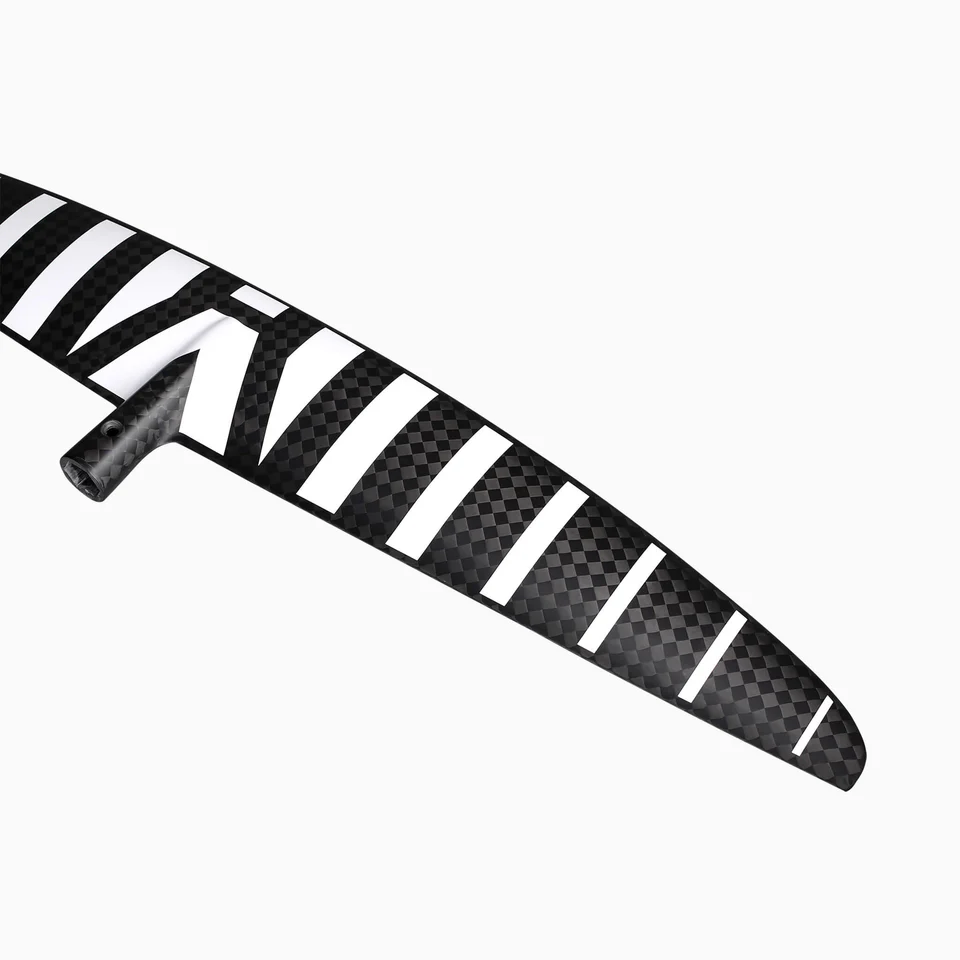
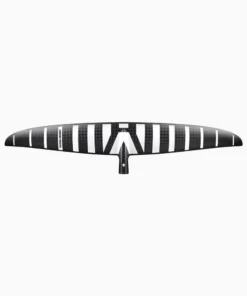
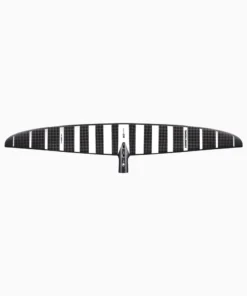
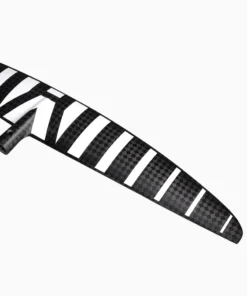
HA Front Foil
Price range: €360.00 through €650.00
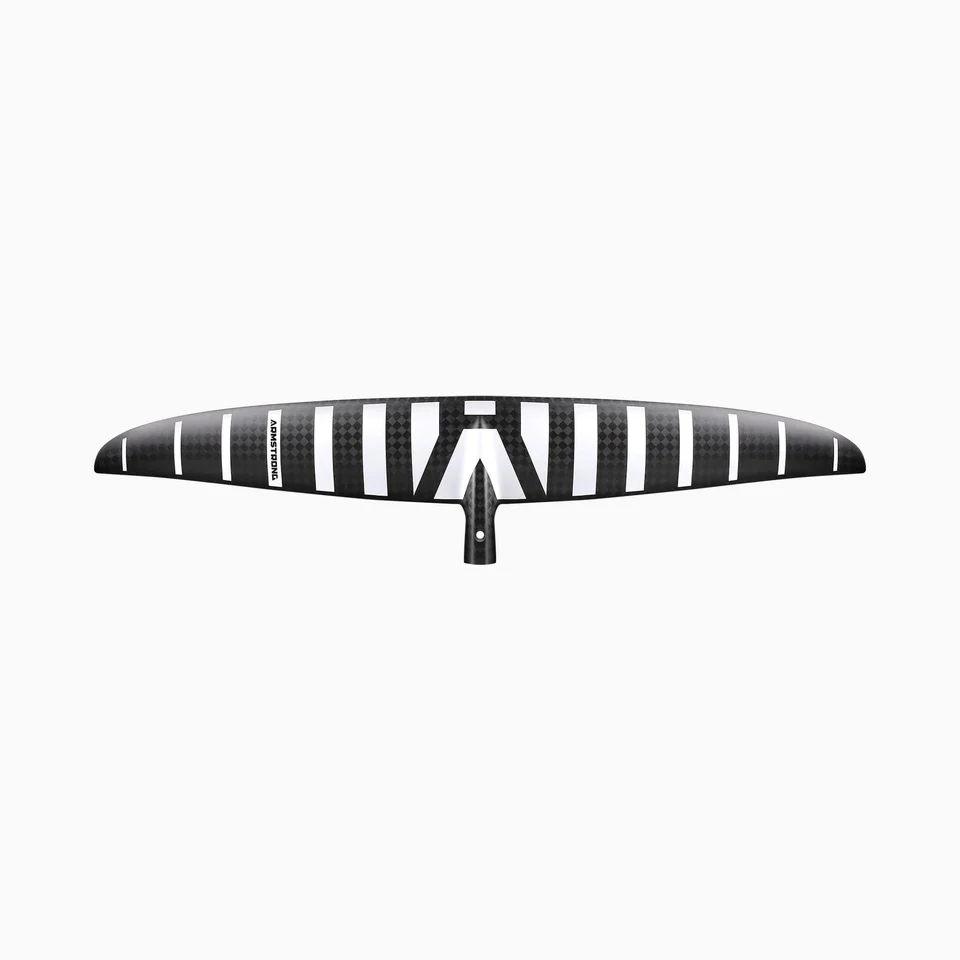
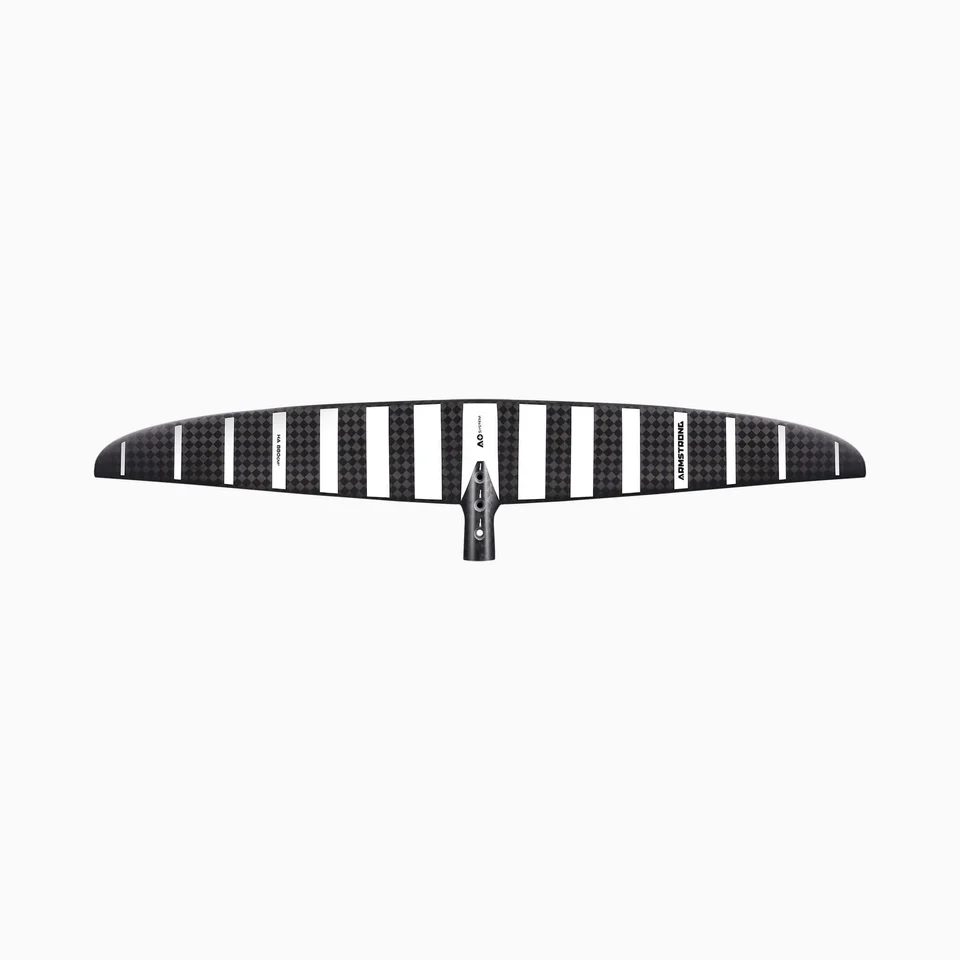
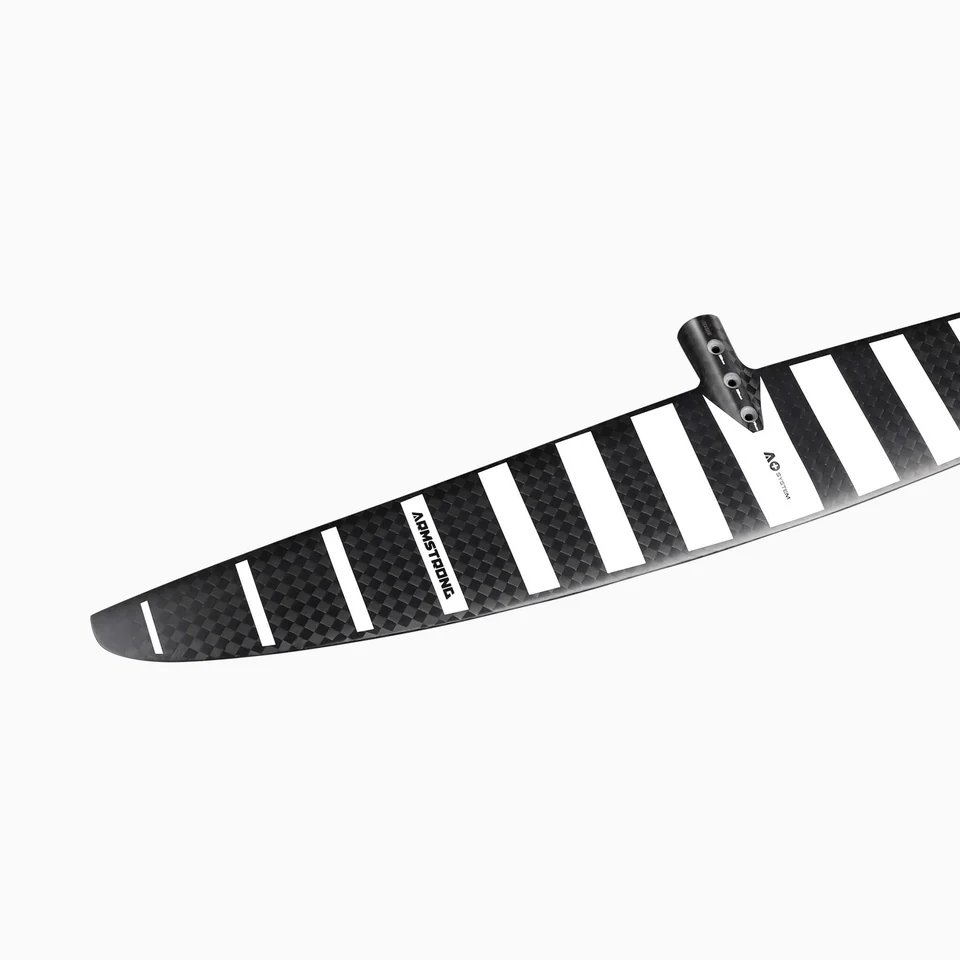
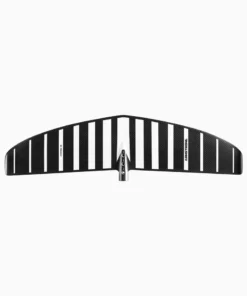
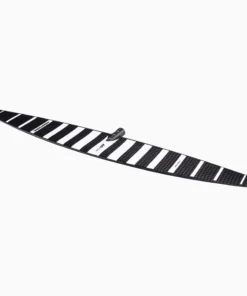
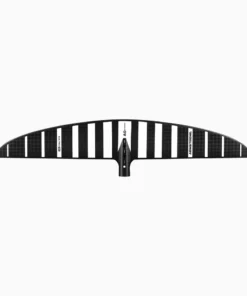
The HA sets the bar for high aspect front foils. From its glide and stability at high speed, to a telekinesis-like feel through turns and remarkable low speed lift, the way this front foil brings everything together is truly unique. Design parameters like section shape, outline, rondure and profile were developed by a leading CFD team and refined under the feet of our team riders with the goal of achieving not just high performance, but a truly fun rippability that pushes beyond what’s expected of high aspect designs. Whether it’s surf, wing or downwind foiling, the HA is a front foil that can truly do it all.
Inclusions
High-Aspect Hydrofoil Performance for Speed, Glide, Efficiency, and Precision Water Control
Introducing the HA Front Foil
Hydrofoiling has transformed modern watersports by introducing a completely new riding experience centered around lift, glide, efficiency, and near-frictionless movement across the water’s surface. Consequently, riders now search for hydrofoil systems that deliver smoother acceleration, improved pumping efficiency, enhanced control, and long-distance glide performance without sacrificing maneuverability. Among the most advanced hydrofoil categories available today, the HA Front Foil stands out as a high-aspect performance wing engineered for speed, efficiency, lift stability, and precision handling across multiple foiling disciplines.
Unlike low-aspect hydrofoils that prioritize compact turning behavior and immediate lift at slower speeds, high-aspect front foils focus on maximizing glide ratio, sustained speed, and hydrodynamic efficiency. As a result, riders benefit from smoother water release, extended glide duration, reduced drag, and more efficient energy transfer during pumping and carving maneuvers.
The HA Front Foil was designed specifically for riders who demand refined hydrodynamic performance and predictable lift characteristics in both recreational and high-performance foiling environments. Additionally, advanced foil shaping and optimized wing geometry allow the foil to maintain stable control at varying speeds while still delivering the responsiveness needed for aggressive directional transitions.
Because modern foiling disciplines continue evolving rapidly, high-aspect front wings have become increasingly popular among wing foilers, surf foilers, downwind riders, and open-water enthusiasts searching for greater glide efficiency and improved long-range riding capability.
What Is an HA Front Foil?
Understanding High-Aspect Hydrofoil Design
The term “HA” refers to high-aspect foil geometry. In hydrofoil engineering, aspect ratio describes the relationship between wingspan and chord width.
High-aspect front foils typically feature:
- Longer wingspans
- Narrower chord profiles
- Reduced drag characteristics
- Increased glide efficiency
- Improved pumping performance
- Enhanced speed retention
Because high-aspect wings generate lift more efficiently at speed, they excel in disciplines requiring sustained glide and efficient energy conservation.
Additionally, high-aspect hydrofoils often provide smoother directional tracking and greater control during high-speed riding conditions.
The HA Front Foil was developed around these performance principles to create a foil platform capable of delivering advanced hydrodynamic efficiency without compromising rider confidence and maneuverability.
High-Aspect Foil Advantages
Why Riders Choose High-Aspect Hydrofoils
High-aspect hydrofoils continue growing in popularity because they offer several major performance advantages compared to lower-aspect designs.
Key benefits may include:
Increased Glide Efficiency
Longer wingspans improve water flow efficiency and reduce drag.
Better Speed Retention
High-aspect profiles maintain momentum more effectively during transitions.
Improved Pumping Performance
Efficient lift generation supports extended pumping distance.
Smoother Riding Characteristics
Stable hydrodynamic behavior improves rider confidence.
Enhanced Downwind Capability
Efficient glide supports long-distance open-water riding.
Because these advantages directly improve overall riding performance, high-aspect hydrofoils remain highly desirable across advanced foiling disciplines.
Hydrodynamic Engineering and Foil Shape
Precision Water Flow Optimization
The HA Front Foil was engineered using advanced hydrodynamic shaping principles designed to maximize lift efficiency while minimizing turbulence and drag.
Several design factors influence hydrofoil performance:
- Wing curvature
- Aspect ratio
- Leading edge profile
- Wingtip shaping
- Surface finish quality
- Chord thickness distribution
Because water flow management directly affects lift stability and glide efficiency, foil shaping plays a critical role in overall riding behavior.
Additionally, optimized foil geometry improves acceleration, turning smoothness, and directional control during varying water conditions.
Glide Performance and Speed Efficiency
Extended Flight with Reduced Drag
One of the defining strengths of the HA Front Foil involves its exceptional glide efficiency.
High-aspect hydrofoils generate lift more efficiently than lower-aspect designs at moderate and higher riding speeds. Consequently, riders can maintain sustained flight with reduced energy expenditure.
This efficiency benefits several riding applications including:
- Downwind foiling
- Long-distance pumping
- Wing foiling
- Open-water carving
- Surf foiling
Because drag reduction directly improves speed retention, riders often experience smoother acceleration and longer uninterrupted glides.
Additionally, efficient water release contributes to quieter and more refined riding sensations.
Pumping Performance and Energy Transfer
Efficient Recovery Between Swells and Sections
Pumping efficiency remains one of the most important performance characteristics for modern hydrofoils.
The HA Front Foil was engineered to transfer rider energy efficiently through the foil system, allowing users to maintain lift and momentum between swells, waves, or flat-water sections.
Benefits of efficient pumping may include:
- Longer glide distances
- Reduced rider fatigue
- Better wave connection capability
- Improved recovery between sections
- Increased open-water efficiency
Because high-aspect foils generate lift efficiently during pumping cycles, they remain extremely popular among advanced foilers and endurance-oriented riders.
Additionally, efficient pumping supports smoother rhythm and greater riding fluidity.
Wing Foiling Applications
High-Performance Wing Foil Capability
Wing foiling continues growing rapidly as riders search for hydrofoil setups capable of balancing stability, speed, and maneuverability.
The HA Front Foil performs exceptionally well for wing foiling because it supports:
- Fast acceleration
- Efficient upwind riding
- Smooth carving transitions
- Stable cruising performance
- Controlled high-speed riding
Because wing foiling often involves variable wind conditions and changing water states, efficient hydrofoil behavior becomes essential for maintaining control and rider confidence.
Additionally, high-aspect geometry improves sustained glide during lighter wind conditions.
Surf Foiling Performance
Connecting Waves with Smooth Glide
Surf foiling demands precise lift control and efficient glide performance across changing wave energy.
The HA Front Foil supports surf foiling applications through:
- Stable lift generation
- Efficient wave connection capability
- Smooth directional transitions
- Controlled carving behavior
- Improved down-the-line glide
Because efficient hydrofoils retain speed effectively, riders can connect multiple wave sections with greater ease.
Additionally, stable lift characteristics improve confidence during steeper wave entries and critical transitions.
Downwind Foiling Capability
Built for Long-Distance Open-Water Efficiency
Downwind foiling places extreme emphasis on glide efficiency, pumping performance, and sustained speed retention.
The HA Front Foil excels in downwind environments because it supports:
- Efficient swell linking
- Long glide duration wing foil front wing
- Reduced energy expenditure
- Smooth acceleration between bumps
- Predictable high-speed stability
Because open-water riding requires exceptional hydrodynamic efficiency, high-aspect foils have become the preferred choice for serious downwind enthusiasts.
Additionally, reduced drag allows riders to maintain momentum across flatter sections more effectively.
Carving and Turning Control
Balanced Maneuverability and Stability
Although high-aspect hydrofoils prioritize glide and speed efficiency, modern designs also emphasize responsive turning characteristics.
The HA Front Foil was shaped to balance foil for sup:
- Directional stability hydrofoil lift stability
- Controlled carving response
- Smooth rail-to-rail transitions
- Predictable lift behavior
- Stable turning arcs
Because carving precision directly affects rider confidence, balanced maneuverability remains essential across all foiling disciplines.
Additionally, smoother turning characteristics improve overall riding fluidity and comfort.
Lift Characteristics and Stability
Controlled Flight Across Varying Speeds
Lift stability plays a major role in hydrofoil usability and rider confidence.
The HA Front Foil was engineered to provide:
- Predictable lift generation
- Stable flight characteristics
- Smooth acceleration response
- Controlled touchdown recovery
- Consistent high-speed behavior
Because unstable lift can disrupt riding flow and increase fatigue, controlled foil behavior significantly improves long-session comfort and overall performance.
Additionally, stable lift management helps riders progress more confidently across varying water conditions.
Construction and Material Engineering
Lightweight Strength and Structural Rigidity
Modern hydrofoil construction focuses heavily on balancing lightweight efficiency with structural durability.
High-performance front foils often utilize advanced materials such as:
- Carbon fiber composites
- Reinforced laminate structures
- Precision molded cores
- High-density reinforcement zones
Because structural rigidity directly affects energy transfer and responsiveness, premium construction methods significantly improve riding precision and hydrodynamic efficiency.
Additionally, lightweight materials reduce swing weight and improve maneuverability during aggressive transitions.
Speed Potential and High-Performance Riding
Efficient Hydrodynamics at Higher Speeds
High-aspect hydrofoils are particularly respected for their ability to maintain efficient lift at elevated riding speeds.
The HA Front Foil supports:
- Smooth acceleration
- Controlled high-speed stability
- Efficient drag reduction
- Stable directional tracking
- Predictable carving response
Because drag reduction improves overall efficiency, riders often experience cleaner and faster water release during advanced riding sessions surf foilboard.
Additionally, stable high-speed behavior improves confidence during aggressive downwind runs and wing-powered acceleration.
Rider Progression and Skill Development
Supporting Intermediate and Advanced Foilers
High-aspect hydrofoils are often preferred by riders seeking progression beyond beginner-level setups.
The HA Front Foil supports progression through:
- Improved glide efficiency
- Better pumping capability
- Increased riding range
- Enhanced wave connection potential
- More refined carving performance
Because efficient hydrofoils reward proper technique and balance, riders can continue developing advanced foiling skills across multiple disciplines.
Additionally, refined hydrodynamic behavior helps experienced riders unlock greater speed and efficiency over time.
Compatibility and Modular Foil Systems
Building a Complete Hydrofoil Setup
Modern hydrofoil systems frequently support modular compatibility between:
- Front wings
- Rear stabilizers
- Fuselages
- Mast systems
Because riders often fine-tune setups based on discipline and water conditions, modular foil systems provide greater long-term versatility and customization flexibility.
Additionally, interchangeable components allow users to optimize performance for specific riding environments.
Why the HA Front Foil Stands Out
Key Advantages of This High-Aspect Hydrofoil
Exceptional Glide Efficiency
Maintains speed and momentum with reduced drag.
Advanced Pumping Performance
Supports long-distance energy transfer and wave connection.
Stable High-Speed Control
Improves rider confidence across open-water conditions.
Balanced Carving Characteristics
Delivers smooth and predictable turning response.
Lightweight Composite Construction
Enhances responsiveness and maneuverability armstrong midlength.
Multi-Discipline Versatility
Suitable for wing foiling, surf foiling, and downwind riding.
Frequently Asked Questions About High-Aspect Front Foils
What is a high-aspect hydrofoil?
A high-aspect hydrofoil uses a longer wingspan and narrower chord profile to improve glide efficiency and reduce drag armstrong downwind boards.
Are high-aspect foils faster?
Yes. High-aspect hydrofoils generally maintain speed more efficiently and perform better at higher riding speeds.
Is this foil suitable for wing foiling?
Absolutely. Efficient lift and glide characteristics make it highly effective for wing foil applications.
Does high-aspect design improve pumping?
Yes. Efficient energy transfer significantly improves pumping performance and glide distance.
Is this foil good for downwind riding?
Yes. High-aspect geometry is especially popular for downwind foiling because of its glide efficiency and speed retention.
Who should use high-aspect hydrofoils?
Intermediate and advanced riders often prefer high-aspect setups for greater speed, efficiency, and long-range performance.
Final Thoughts on the HA Front Foil
The HA Front Foil represents the modern evolution of high-performance hydrofoil engineering by combining efficient glide characteristics, advanced pumping capability, stable lift behavior, and refined carving control into one highly versatile platform.
Because today’s foilers increasingly prioritize speed efficiency, long-range glide, and smooth hydrodynamic performance, high-aspect front foils continue standing out as essential equipment for advanced wing foiling, surf foiling, and downwind riding applications.
From its lightweight composite construction and efficient water flow shaping to its balanced turning response and exceptional glide capability, the HA Front Foil delivers the refined performance modern riders expect from a premium high-aspect hydrofoil system.
Advanced Water Control, Rider Progression, and Long-Distance Riding Efficiency
Designed for Riders Seeking Maximum Glide and Open-Water Performance
Modern hydrofoiling continues evolving rapidly as riders push beyond basic cruising and begin focusing on efficiency, speed retention, and fluid open-water movement. Consequently, advanced riders now demand equipment capable of delivering smoother energy transfer, more stable high-speed handling, and improved long-distance glide characteristics across changing water conditions.
This performance-oriented design was engineered specifically to support those demands. As a result, riders benefit from efficient acceleration, balanced lift behavior, and refined carving control during both aggressive riding and long-range glide sessions.
Unlike wider low-aspect designs that prioritize early lift and slower maneuvering, this style of wing geometry emphasizes efficiency and sustained movement. Additionally, optimized hydrodynamic shaping allows riders to maintain momentum more effectively between swells, during pumping transitions, and throughout high-speed directional changes.
Because modern riders increasingly prioritize smooth water flow and reduced drag, advanced high-efficiency foil platforms continue becoming the preferred choice for experienced foilers seeking greater range and refined control.
Efficient Glide Performance Improves Riding Range
Glide efficiency remains one of the most important characteristics in advanced hydrofoil performance. Therefore, modern high-performance designs focus heavily on reducing drag while maintaining stable lift generation at varying speeds armstrong foils for sale.
Several advantages contribute to extended glide capability:
- Better speed retention armstrong wing
- Reduced water resistance
- Smoother acceleration behavior
- Improved momentum conservation
- Longer uninterrupted riding distance
Because efficient glide reduces the amount of physical effort required to maintain movement, riders often experience less fatigue during long sessions.
Additionally, smoother hydrodynamic release improves overall riding fluidity across flatter water sections and low-energy conditions.
Pumping Efficiency and Energy Conservation
Pumping performance directly affects rider endurance and the ability to maintain flight between waves or open-water energy zones.
This advanced design supports efficient pumping through:
- Stable lift recovery
- Improved energy transfer
- Reduced drag during transitions
- Better momentum carry
- Smoother pumping rhythm
Because efficient pumping conserves rider energy, users can connect wave sections and travel longer distances with greater ease.
Additionally, refined water flow behavior improves timing consistency and helps maintain control during repeated pumping cycles.
Stable High-Speed Handling Across Open Water
Open-water riding often introduces unpredictable chop, changing swell direction, and varying wind conditions. Consequently, stable handling becomes essential for maintaining confidence during faster riding sessions.
Several design characteristics improve stability at speed:
- Balanced directional tracking
- Controlled lift response armstrong downwind foil board
- Predictable carving behavior
- Reduced turbulence sensitivity
- Smooth acceleration management
Because stable high-speed handling improves rider confidence, advanced foilers can maintain more aggressive riding lines while remaining comfortable across changing conditions.
Additionally, predictable response characteristics reduce unnecessary corrections during long glides and downwind runs.
Smooth Carving and Directional Control
Carving performance plays a major role in overall riding feel and water connection. Therefore, modern high-efficiency wing designs balance glide capability with responsive turning behavior surf foil boards.
Important carving benefits may include:
- Smoother rail transitions armstrong downwind board
- Controlled directional changes
- Stable turning arcs
- Better edge-to-edge flow
- More predictable carving response
Because carving precision influences rider progression and confidence, balanced turning behavior remains essential for advanced hydrofoil performance.
Additionally, smoother directional response enhances overall riding fluidity during surf, wing, and open-water applications armstrong v1 downwind board.
Optimized for Long-Distance Open-Water Riding
Long-range hydrofoiling demands efficient lift management, stable speed retention, and minimal drag throughout extended sessions.
This type of performance-oriented setup excels during:
- Open-water swell riding
- Long-distance glides HA Front Foil for sale
- Downwind transitions armstrong mid length board
- Extended pumping sequences
- High-speed cruising sessions
Because reduced resistance improves energy efficiency, riders can maintain momentum more effectively over larger distances.
Additionally, efficient acceleration supports smoother swell linking during changing ocean conditions hydrofoil front wing.
Lightweight Construction Improves Responsiveness
Weight management remains extremely important in hydrofoil engineering because excessive weight can reduce maneuverability and responsiveness armstrong fuselage.
Advanced composite construction helps provide:
- Faster directional response
- Reduced swing weight armstrong performance mast
- Improved carving precision
- Better pumping efficiency armstrong wing foil
- Enhanced maneuverability foiling boards
Because lightweight structures transfer rider input more efficiently, users often experience more immediate feedback and smoother handling behavior during transitions.
Additionally, reduced overall mass improves comfort during aggressive riding and long-duration sessions.
Advanced Composite Engineering and Structural Strength
Modern hydrofoil construction focuses heavily on balancing structural rigidity with lightweight efficiency.
Premium construction materials may include foiling board:
- Carbon composite laminates armstrong foil boards
- Reinforced structural cores
- High-density reinforcement zones
- Precision molded surfaces armstrong wings
Because structural rigidity directly affects responsiveness and energy transfer, advanced materials significantly improve riding precision and long-term durability.
Additionally, stronger construction supports consistent performance during demanding riding conditions.
Balanced Lift Characteristics Improve Rider Confidence
Lift behavior significantly influences overall ride quality and user progression.
Several factors contribute to balanced lift management:
- Smooth acceleration response
- Controlled flight stability armstrong integrated foil masts price
- Predictable touchdown recovery
- Consistent directional balance
- Stable speed management
Because unstable lift can disrupt rider confidence and increase fatigue, refined lift behavior improves overall comfort and long-session usability.
Additionally, stable control characteristics help riders progress more confidently across varying water states and riding environments.
Ideal for Multi-Discipline Foiling Applications
Modern riders increasingly search for setups capable of performing across multiple hydrofoil disciplines rather than limiting performance to one environment.
This advanced design performs exceptionally well during:
- Open-water riding kite armstrong
- Surf-oriented sessions
- Wind-powered applications
- Long-range pumping
- Carving-focused riding styles
Because versatility improves long-term value and adaptability, multi-discipline performance remains highly desirable among experienced hydrofoil enthusiasts.
Additionally, balanced hydrodynamic behavior allows riders to experiment across different riding styles and conditions.
Rider Progression and Skill Development
As riders gain experience, they often begin searching for setups capable of supporting higher speeds, smoother glide transitions, and more advanced pumping efficiency armstrong integrated foil masts price 2025.
This performance-oriented platform supports progression through:
- Improved glide range
- Better momentum retention
- More efficient pumping rhythm
- Enhanced carving precision
- Greater speed control
Because advanced hydrodynamic efficiency rewards refined technique, experienced riders can continue developing more technical riding skills over time.
Additionally, predictable handling characteristics help reduce hesitation during progression-focused sessions.
Reduced Drag Improves Overall Water Efficiency
Drag reduction remains one of the most important goals in modern hydrofoil engineering.
Several design elements contribute to improved efficiency:
- Narrower profile geometry
- Optimized water release armstrong foils
- Reduced turbulence generation
- Streamlined surface shaping
- Balanced wing distribution
Because lower drag improves acceleration and glide retention, riders often experience smoother and faster overall riding performance.
Additionally, cleaner hydrodynamic flow contributes to quieter and more refined water interaction during extended sessions.
Built for Riders Who Prioritize Efficiency and Control
Today’s advanced hydrofoil riders increasingly value platforms that combine:
- Long-range glide capability
- Stable high-speed handling
- Efficient pumping performance
- Smooth carving response
- Lightweight maneuverability
- Predictable lift behavior
Because these characteristics directly improve both progression and long-session enjoyment, modern high-efficiency foil designs continue dominating advanced riding disciplines.
Ultimately, this style of hydrodynamic platform delivers a highly refined riding experience for foilers seeking greater speed efficiency, smoother water flow, and more advanced open-water performance without sacrificing stability or control armstrong foiling.
Be the first to review “HA Front Foil”
Related products
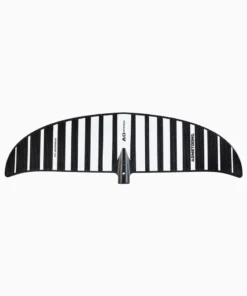
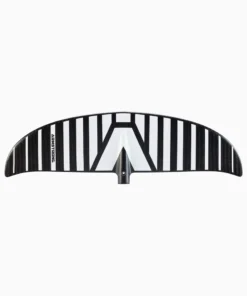
Front Foil
Front Foil
Front Wings
Front Wings
Front Foil
Reviews
There are no reviews yet.