
Surf Board
Price range: €800.00 through €995.00
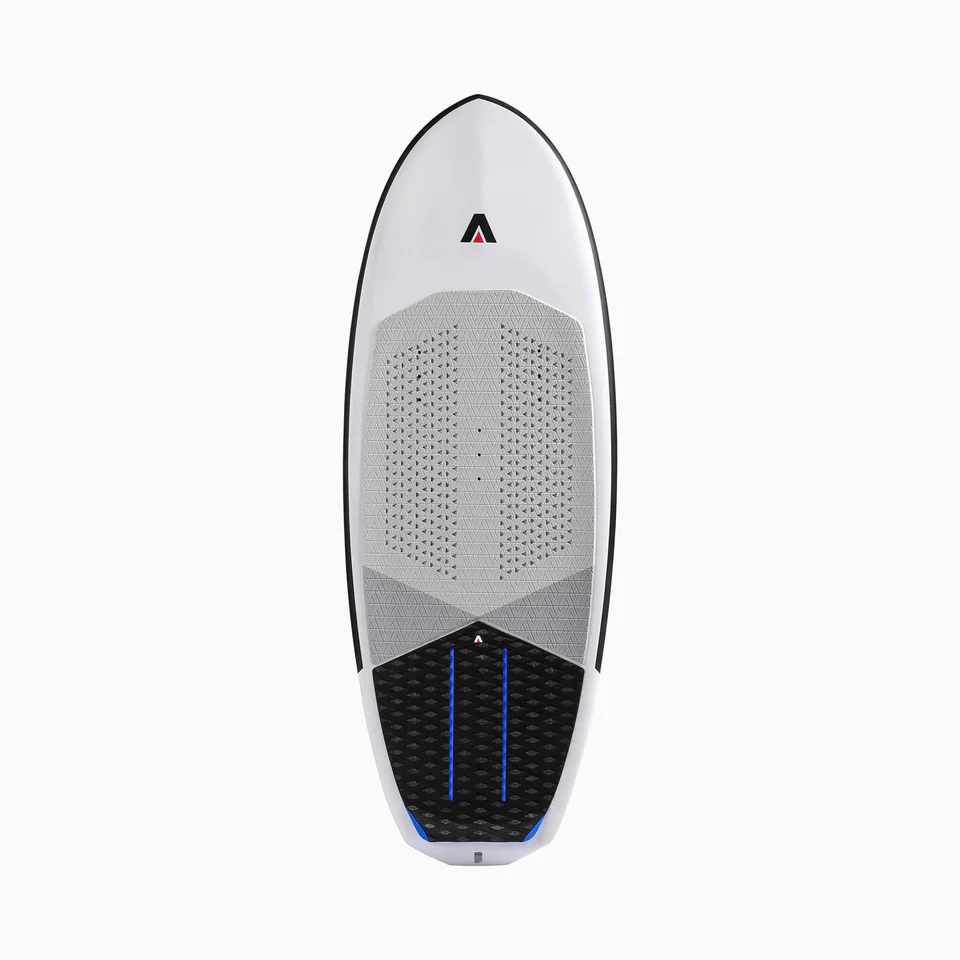
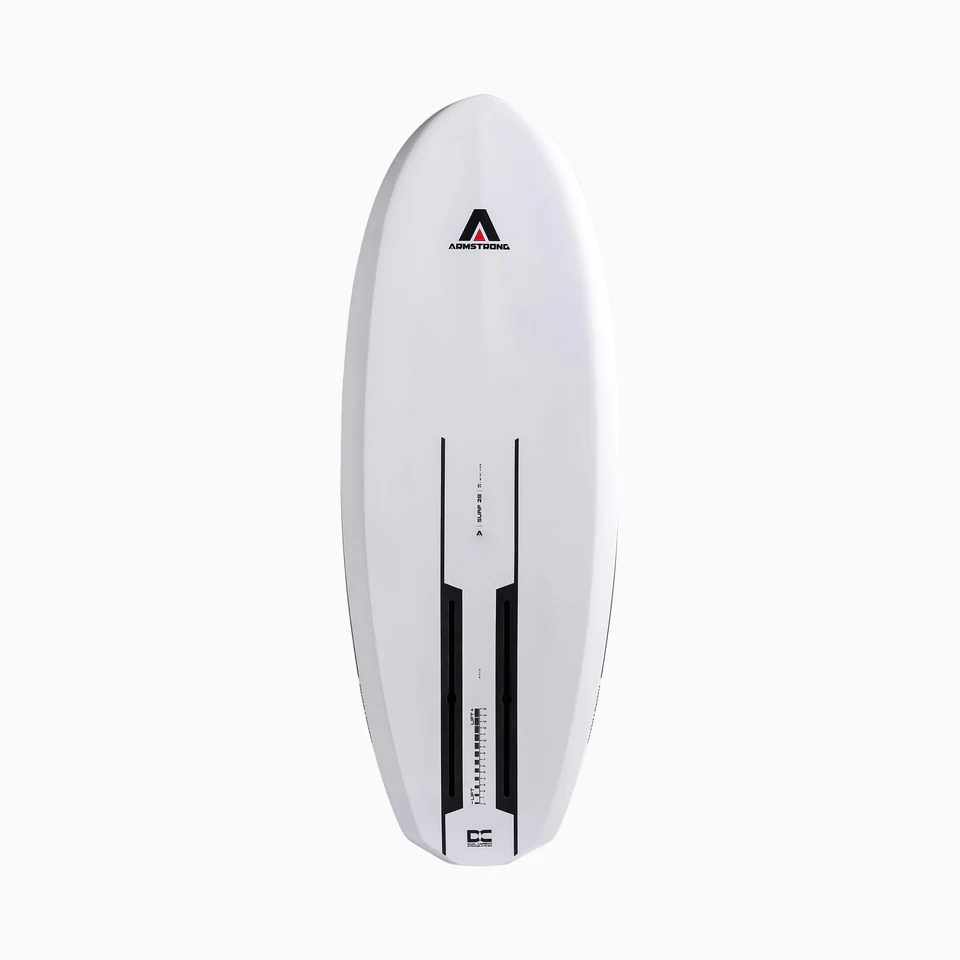
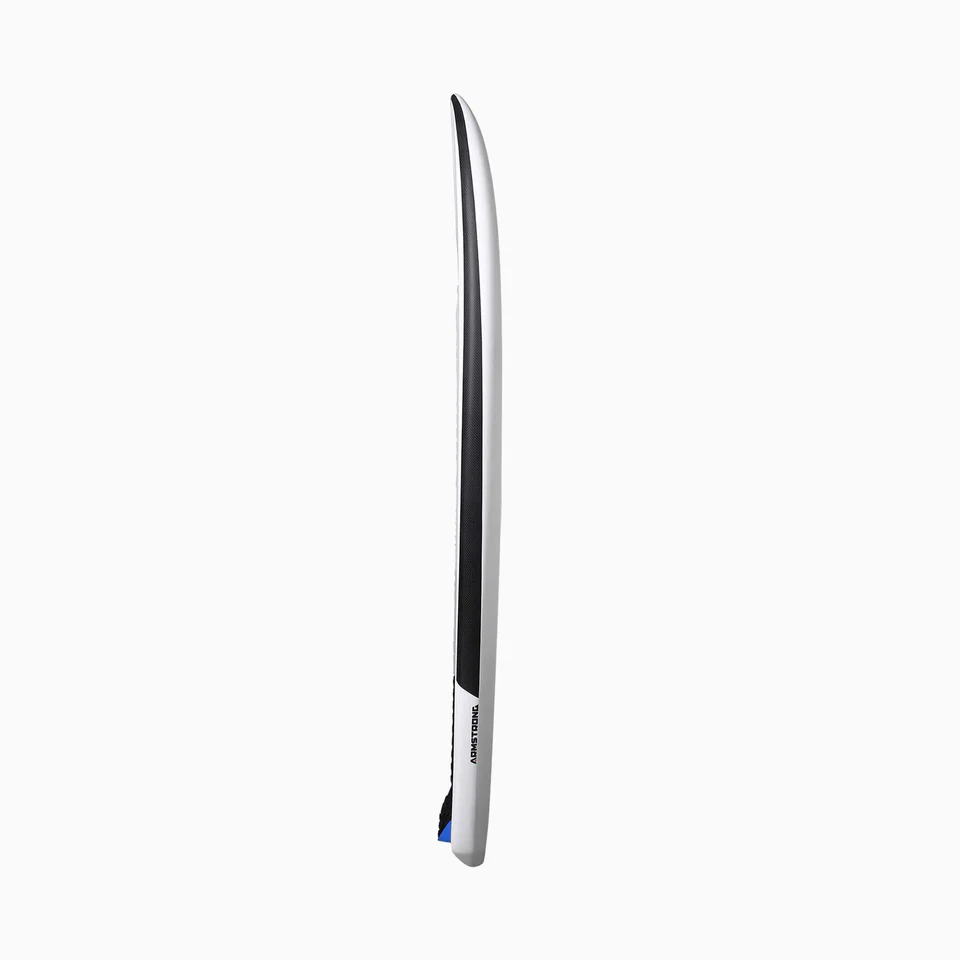
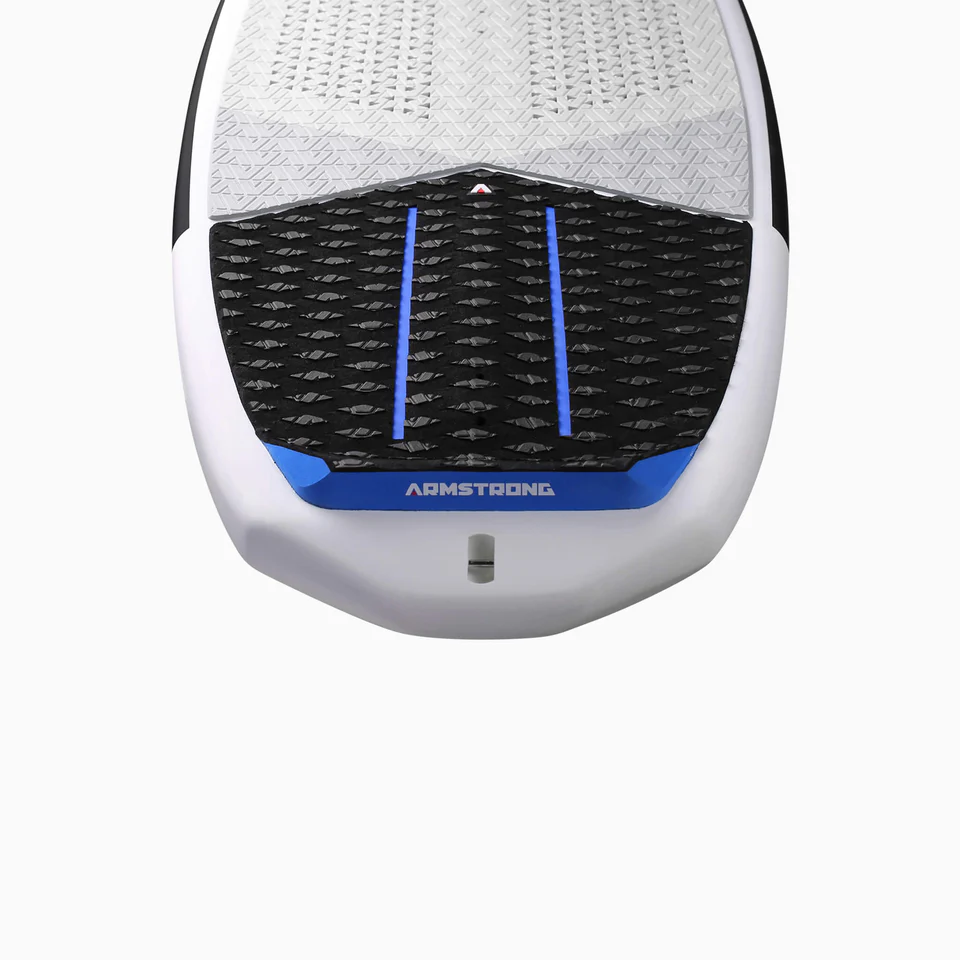
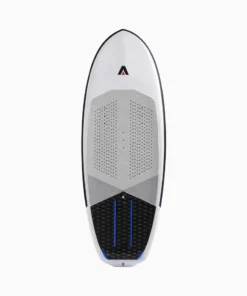
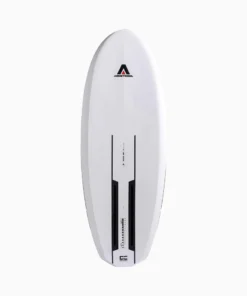
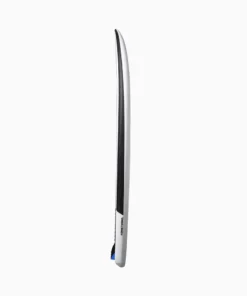
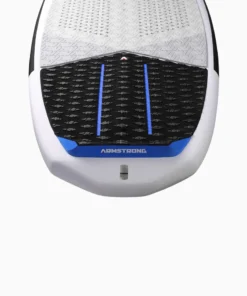
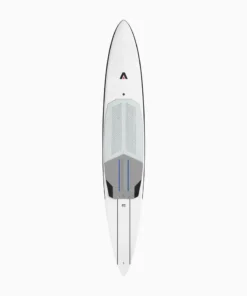
Waves are a blank canvas, and the new Surf foil board is the refined tool of choice to draw your line. This 100% surf-dedicated shape is highly responsive and easy to paddle whether you’re building skills or already a ripper. The outline is tuned to be stable under the chest when popping up, yet ready to lay into next-level carves and bash whitewater at will. Optimized to give you a direct connection to the foil, the Surf is thin per volume and built stiff to respond instantly under your feet.
Inclusions
Surf Board – Ultimate Performance, Control, Stability, and Wave-Riding Experience
Introduction to Ultimate Wave Riding Performance
Designed for Every Surfing Adventure
The experience of riding a wave begins long before the surfer stands up and glides across the water. It starts with selecting the right equipment. A well-designed board serves as the foundation for balance, control, speed, maneuverability, and overall enjoyment. Whether you are catching your first wave or pursuing advanced performance, the right design can dramatically influence your success on the water.
Modern surfboard development combines decades of shaping expertise with advancements in hydrodynamics, materials science, and rider feedback. As a result, today’s boards offer higher levels of performance, comfort, and versatility than ever before.
Unlike equipment designed for a single purpose, a well-crafted board balances flotation, stability, responsiveness, and speed. Consequently, surfers can confidently adapt to changing conditions while maintaining control and efficiency.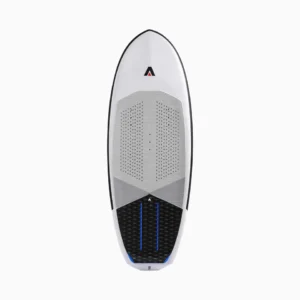
Furthermore, modern construction techniques allow designers to fine-tune every aspect of performance. Therefore, riders benefit from equipment capable of maximizing both progression and enjoyment.
Why Choosing the Right Board Matters
Many surfers underestimate the importance of equipment selection. However, the correct board can significantly accelerate learning, improve confidence, and enhance overall performance.
A properly sized and shaped board allows riders to paddle efficiently, catch waves earlier, and maintain greater stability. Consequently, surfers spend more time riding waves and less time struggling with positioning or balance.
Several benefits emerge from using the right equipment:
- Improved wave-catching ability
- Enhanced paddling efficiency
- Greater balance and stability
- Better maneuverability
- Increased confidence
- Faster skill progression
These advantages become especially important during the early stages of development, although experienced riders continue to benefit from optimized designs as well.
How Wave Riding Performance Is Achieved
Exceptional performance results from multiple design elements working together harmoniously.
Every curve, contour, and dimension influences how the board interacts with the water. Consequently, designers carefully balance these characteristics to achieve specific performance goals.
Key performance factors include:
Buoyancy
Proper flotation helps riders paddle efficiently and maintain stability.
Speed Generation
Hydrodynamic efficiency allows the board to accelerate effectively on a wave.
Control
Balanced design characteristics promote predictable handling.
Responsiveness
Quick reactions to rider input improve maneuverability.
Stability
A stable platform increases confidence and consistency.
Together, these elements create a riding experience that feels smooth, controlled, and enjoyable.
Who Should Use This Type of Board?
One of the greatest strengths of modern surfboard design is its ability to accommodate a wide variety of riders.
Beginners
New surfers benefit from equipment that offers stability, flotation, and forgiveness.
Intermediate Riders
Developing surfers often seek a balance between progression and control.
Advanced Riders
Experienced surfers typically prioritize responsiveness, speed, and maneuverability.
Recreational Surfers
Many individuals simply enjoy spending time in the ocean and catching waves.
Performance-Oriented Athletes
Competitive riders require equipment capable of supporting advanced techniques and demanding conditions.
Because different shapes and configurations exist, nearly every surfer can find a suitable match for their needs.
Where Does It Perform Best?
Versatility remains one of the defining characteristics of a quality surfboard.
It can perform effectively in numerous environments, including:
Beach Breaks
Changing sandbar conditions require adaptability and balanced performance.
Point Breaks
Long, peeling waves allow riders to maximize speed and flow.
Reef Breaks
More advanced conditions reward precision and control.
Surf Parks
Artificial waves provide excellent opportunities for progression and skill development.
Coastal Locations
Most recreational surfing occurs in ocean environments where versatility becomes particularly valuable.
Consequently, a well-designed board remains useful across a wide range of surfing locations.
When Should You Choose a High-Quality Board?
Investing in quality equipment becomes increasingly important as surfers seek greater performance and enjoyment.
You should consider a premium design when:
- Learning fundamental skills
- Improving consistency
- Advancing maneuverability
- Increasing wave count
- Seeking greater control
- Enhancing overall performance
- Maximizing session quality
Because the board serves as the primary connection between rider and wave, quality directly influences the surfing experience.
Reasons You Should Use a Well-Designed Board
Better Stability
A balanced design promotes confidence and comfort on the water.
Easier Wave Catching
Efficient hydrodynamics help riders enter waves earlier.
Improved Control
Thoughtful shaping enhances responsiveness and predictability.
Greater Versatility
Modern designs perform effectively across varying conditions.
Faster Progression
Appropriate equipment supports skill development and learning.
Increased Enjoyment
Better performance leads to more successful and rewarding sessions.
These benefits combine to create a more satisfying surfing experience overall.
How Good Is Modern Surfboard Technology?
Surfboard technology has advanced dramatically over the years.
Modern manufacturing methods allow designers to achieve levels of precision that were once impossible. As a result, today’s boards offer superior consistency, improved durability, and enhanced performance.
Innovations in materials and shaping techniques contribute to:
- Reduced weight
- Increased strength
- Better responsiveness
- Improved speed
- Enhanced maneuverability
- Greater longevity
Consequently, surfers can enjoy equipment that performs at a remarkably high level across a wide range of conditions.
Precision and Real-World Performance
Precision in surfing refers to how effectively a board translates rider input into movement.
A high-quality design responds predictably while maintaining stability and control. Therefore, surfers can execute turns, generate speed, and navigate changing wave conditions with confidence.
Several performance characteristics contribute to this precision:
- Predictable handling
- Smooth rail engagement
- Efficient speed generation
- Consistent response
- Reliable control
- Enhanced maneuverability
These qualities become increasingly valuable as skill levels improve and performance demands increase.
Important Information Before Purchasing
Before selecting a board, surfers should carefully evaluate their skill level, body weight, local wave conditions, and personal goals.
Choosing a board that matches these factors significantly improves the likelihood of success and enjoyment. Conversely, selecting equipment that is too advanced or poorly suited to local conditions may hinder progression.
Additionally, investing in quality construction often provides long-term value through improved durability and performance.
For riders seeking confidence, versatility, control, and progression, a well-designed surfboard remains one of the most important tools for unlocking the full potential of every session on the water.
Advanced Construction Technology, Hydrodynamic Engineering, and Performance Design
Built with Performance-Driven Engineering
Every exceptional surfing experience begins with thoughtful engineering. While waves provide the energy, the board determines how efficiently that energy is translated into speed, control, and maneuverability.
Modern design focuses on creating a perfect balance between stability, responsiveness, durability, and efficiency. Consequently, every structural component plays a role in shaping the overall riding experience.
Rather than relying on a single performance feature, contemporary boards combine multiple engineering principles to maximize versatility and effectiveness.
As a result, riders gain equipment capable of performing confidently across a wide range of conditions and skill levels.
Hydrodynamic Efficiency and Water Flow Management
Hydrodynamics refers to how water moves around and beneath the board during paddling, takeoff, and wave riding.
Efficient water flow reduces resistance and improves overall performance. Therefore, designers carefully shape every curve and contour to promote smooth movement through the water.
Several advantages emerge from optimized hydrodynamics:
- Increased paddling speed
- Improved acceleration
- Better wave entry
- Enhanced glide
- Greater overall efficiency
Furthermore, efficient water management allows riders to conserve energy while maintaining higher levels of performance.
This balance becomes especially valuable during long sessions where endurance and consistency matter.
Advanced Core Construction
The internal core serves as the foundation of the entire structure.
A well-designed core must provide strength while remaining lightweight. Consequently, manufacturers carefully select materials that deliver an optimal combination of durability and flotation.
The core influences several critical characteristics:
Buoyancy
Proper flotation supports paddling efficiency and stability.
Weight Reduction
Lighter designs improve responsiveness and maneuverability.
Structural Integrity
Strong internal construction helps withstand repeated use.
Energy Transfer
Efficient structures respond more effectively to rider input.
Together, these qualities create a platform capable of delivering consistent performance over time.
Strength-to-Weight Optimization
One of the greatest challenges in board design involves achieving maximum strength without unnecessary weight.
Excess weight can reduce responsiveness and make maneuvering more difficult. Conversely, insufficient strength may compromise durability.
To achieve the ideal balance, modern construction techniques focus on optimizing strength-to-weight ratios.
Benefits include:
- Easier handling
- Faster response
- Improved performance
- Greater durability
- Enhanced rider confidence
Consequently, riders enjoy equipment that feels agile while remaining capable of withstanding demanding conditions.
Rocker Design and Wave Adaptability
Rocker refers to the curvature running from the nose to the tail.
This design element significantly influences how the board performs in different wave conditions.
A carefully balanced rocker profile contributes to:
Improved Takeoffs
Smooth wave entry becomes easier and more predictable.
Better Maneuverability
Turning performance improves significantly.
Enhanced Control
The board remains manageable in varying wave conditions.
Increased Versatility
A balanced design adapts to a broader range of environments.
Because rocker directly affects performance, it remains one of the most important aspects of modern board shaping.
Rail Engineering and Edge Control
Rails form the outer edges of the board and play a crucial role in control and responsiveness.
When engaged correctly, the rails help direct water flow and influence turning characteristics.
Well-designed rails provide:
- Better grip on the wave face
- Improved turning precision
- Enhanced control
- Smoother transitions
- Greater confidence during maneuvers
Furthermore, rail design influences how forgiving or performance-oriented the board feels.
This characteristic helps determine its suitability for different skill levels and riding styles.
Stability and Balance Characteristics
Stability serves as the foundation of successful surfing.
Without sufficient balance, riders struggle to paddle effectively, catch waves consistently, and execute maneuvers confidently.
Several design elements contribute to stability:
- Width distribution
- Volume placement
- Bottom contours
- Rail profiles
- Overall dimensions
When these factors work together effectively, riders experience a more predictable and confidence-inspiring platform.
Consequently, progression becomes easier and more enjoyable.
Speed Generation and Glide Efficiency
Speed plays a vital role in wave riding performance.
A board that generates speed efficiently allows riders to connect sections, maintain momentum, and perform maneuvers with greater confidence.
Several engineering features contribute to speed generation:
Reduced Water Resistance
Efficient shapes minimize drag.
Optimized Surface Interaction
Balanced contours promote smooth water flow.
Effective Energy Transfer
Wave energy converts into forward motion more efficiently.
Enhanced Momentum Retention
The board maintains speed through turns and transitions.
These characteristics allow riders to maximize performance even in less powerful conditions.
Maneuverability and Rider Response
Performance extends beyond straight-line speed.
A high-quality board must also respond effectively to rider input.
Responsive handling allows surfers to:
- Execute tighter turns hydrofoil front wing
- Change direction quickly
- Adjust to changing wave conditions
- Maintain control during critical maneuvers
- Improve overall performance
Consequently, rider confidence increases while progression accelerates armstrong wing foil.
The connection between surfer and board becomes more intuitive and enjoyable.
Durability for Long-Term Use
Performance remains important, but durability determines how well a board maintains that performance over time hydrofoil lift stability.
Modern construction methods focus on creating structures capable of withstanding repeated exposure to:
- Saltwater
- Sunlight foil for sup
- Transportation
- Everyday use
- Variable environmental conditions
As a result, riders benefit from equipment that continues performing consistently across multiple seasons armstrong integrated foil masts price 2025.
Proper care further extends service life and protects long-term value wing foil front wing.
Comfort and Session Enjoyment
Comfort influences performance more than many surfers realize.
When equipment feels balanced and predictable, riders can focus entirely on wave selection, positioning, and technique.
Several design characteristics contribute to comfort:
- Balanced flotation
- Stable handling
- Smooth responsiveness
- Predictable control
- Efficient paddling
These qualities help reduce fatigue while increasing confidence and enjoyment.
Consequently, surfers often spend more time in the water and achieve greater satisfaction from each session surf foilboard.
Why This Engineering Matters
Outstanding performance is never the result of a single feature. Instead, it emerges when multiple design elements work together seamlessly.
The combination of advanced construction methods, hydrodynamic efficiency, optimized rocker design, refined rail engineering, balanced stability, effective speed generation, responsive handling, and long-term durability creates a complete performance package.
More importantly, these engineering principles directly influence real-world results. Riders catch more waves, maintain better control, improve progression, and enjoy longer, more productive sessions.
Whether the goal is learning fundamental skills, improving technique, or maximizing high-performance surfing potential, the engineering foundation provides the confidence, capability, and reliability needed to succeed in a wide variety of wave conditions.
Wave Performance, Rider Progression, and Real-World Surfing Dynamics
Designed for Exceptional Wave Riding
The true measure of any board is how it performs once it engages with a wave. While construction, materials, and design are important, real-world performance ultimately determines whether a surfing session becomes memorable and rewarding.
Every element of the design works toward a single objective: helping riders maximize their connection with the wave. Consequently, the board delivers a combination of speed, control, stability, and responsiveness that enhances the overall surfing experience.
As conditions change throughout a session, riders require equipment capable of adapting quickly. Therefore, versatility becomes one of the most valuable performance characteristics armstrong fuselage.
The ability to handle small waves, larger swells, smooth faces, and changing conditions allows surfers to spend more time riding and less time struggling with limitations.
Wave Entry and Early Takeoff Performance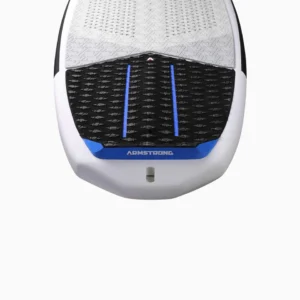
Catching waves consistently remains one of the most important aspects of successful surfing surf foil boards.
A board that enters waves efficiently helps riders position themselves effectively and capitalize on more opportunities throughout a session.
Several characteristics contribute to strong wave-entry performance:
- Efficient paddling speed
- Balanced flotation
- Smooth acceleration
- Predictable handling
- Stable positioning
As a result, surfers often catch waves earlier and with greater confidence Surf Board.
This advantage becomes particularly important for beginners and intermediate riders who are still refining their timing and positioning skills.
Furthermore, easier wave entry helps conserve energy kite armstrong, allowing longer and more productive sessions Surf Board.
Maintaining Speed Across the Wave Face
Generating speed is important, but maintaining that speed often determines overall performance.
Once on the wave, riders rely on efficient water flow and balanced design characteristics to preserve momentum. Consequently, the board continues carrying speed through turns, transitions, and flatter sections Surf Board.
This ability offers several advantages:
Improved Flow
Smooth transitions become easier to execute armstrong foils for sale.
Better Section Connection
Riders can travel across larger portions of the wave.
Enhanced Confidence
Maintaining speed supports more consistent performance armstrong foil boards.
Greater Wave Utilization
More of the wave becomes available for maneuvering and exploration armstrong foiling.
These benefits contribute directly to a more rewarding surfing experience.
Turning Performance and Directional Control
Control becomes increasingly important as skill levels advance.
The ability to change direction precisely allows surfers to position themselves effectively and respond to changing wave conditions.
A responsive design supports:
- Smooth carving turns armstrong mid length board
- Quick directional changes
- Better rail engagement
- Enhanced maneuverability
- Greater precision armstrong v1 downwind board
Furthermore, predictable turning characteristics help riders build confidence while experimenting with new techniques.
As a result, progression becomes more enjoyable and less intimidating.
Balance Between Stability and Responsiveness
One of the greatest challenges in board design involves balancing stability and maneuverability Surf Board.
Excessive stability may limit performance potential, while excessive responsiveness can make equipment difficult to control.
A properly balanced design provides:
Reliable Stability
Riders maintain confidence during paddling and takeoff.
Controlled Responsiveness
The board reacts naturally to rider input armstrong downwind foil board.
Improved Learning Potential
Progression occurs more smoothly.
Greater Versatility
Performance remains effective across varying conditions armstrong wing.
This balance makes the board suitable for a wide range of skill levels and surfing objectives.
Building Confidence Through Predictable Performance
Confidence plays a major role in surfing success.
When equipment behaves predictably, surfers can focus entirely on wave reading, positioning, and technique. Consequently, mental energy is directed toward performance rather than equipment management.
Predictable behavior supports:
- Better decision-making
- Faster learning armstrong midlength
- Reduced hesitation
- Improved consistency
- Enhanced enjoyment
These benefits often accelerate progression and increase overall satisfaction.
As surfers gain confidence, they naturally begin exploring more advanced maneuvers and challenging conditions.
Supporting Skill Development
Every surfing session presents an opportunity to improve Surf Board.
The right equipment helps riders develop critical skills more efficiently by providing consistent feedback and dependable performance.
Important areas of progression include:
Wave Selection
Understanding which waves offer the best opportunities Surf Board.
Positioning
Learning where to place the board before takeoff armstrong foil board.
Timing HA Front Foil for sale
Developing the ability to enter waves at the optimal moment Surf Board.
Balance
Improving stability throughout all phases of riding armstrong integrated foil masts price.
Maneuver Execution
Refining turning techniques and directional control.
Because the board responds consistently, riders can clearly identify improvements in their technique Surf Board.
Performance Across Different Wave Conditions
No two surfing sessions are exactly alike Surf Board.
Wave size, shape, power, and consistency can vary dramatically from one location to another. Therefore, versatility becomes a valuable characteristic Surf Board.
A well-rounded design performs effectively in armstrong downwind boards:
Small Waves
Maintaining speed and generating momentum efficiently Surf Board.
Medium Conditions
Providing balanced performance and control Surf Board.
Larger Surf
Delivering confidence and stability under greater pressure Surf Board.
Variable Conditions
Adapting to changing environments throughout a session Surf Board.
This adaptability allows surfers to maximize opportunities regardless of daily conditions Surf Board.
Real-World Benefits for Everyday Surfers
Professional performance is impressive armstrong downwind board, but practical benefits matter just as much for recreational riders.
Many surfers seek equipment that helps them enjoy more successful sessions rather than simply supporting advanced maneuvers.
Real-world advantages include:
- Catching more waves
- Improving confidence armstrong foils for sale
- Reducing fatigue armstrong foils
- Enhancing consistency surf foil board
- Accelerating progression
- Increasing overall enjoyment
These benefits often have a greater impact on long-term satisfaction than technical specifications alone armstrong performance mast.
Long Session Comfort and Endurance
Surfing often requires extended periods of paddling, positioning, and wave chasing.
Consequently, comfort and efficiency become important performance factors.
Balanced design characteristics help reduce unnecessary effort while maintaining control and responsiveness.
Advantages include armstrong wings:
Better Energy Conservation
Efficient paddling reduces fatigue HA Front Foil.
Improved Session Duration
Surfers can stay in the water longer Surf Board.
Consistent Performance
Energy levels remain more stable throughout the session Surf Board.
Greater Enjoyment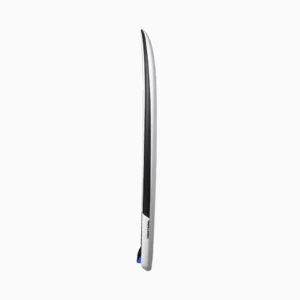
Comfort contributes to a more positive overall experience Surf Board.
These qualities become increasingly valuable during longer surf sessions Surf Board.
Why Experienced Surfers Value Performance Balance
Many experienced surfers recognize that exceptional performance involves more than speed or maneuverability alone.
The most effective designs combine multiple characteristics into a balanced package capable of performing consistently across various situations foiling board foiling boards.
Key qualities include:
- Stability
- Responsiveness
- Speed Surf Board
- Control
- Efficiency
- Versatility
When these characteristics work together harmoniously Surf Board, surfers gain equipment capable of supporting both progression and enjoyment Surf Board.
This balance remains one of the most important factors contributing to long-term satisfaction and success on the water Surf Board.
The Importance of Real-World Usability
Technical specifications provide useful information Surf Board, yet real-world usability ultimately determines value Surf Board.
A board that performs consistently across a variety of conditions offers practical advantages that extend beyond pure performance metrics.
By combining reliable wave entry, efficient speed generation Surf Board, responsive handling, stable control, and versatile adaptability Surf Board, the design helps surfers achieve more productive and rewarding sessions Surf Board.
Whether the goal involves learning fundamental skills Surf Board, improving consistency Surf Board, or advancing performance capabilities, the board provides the foundation necessary to support continued growth and enjoyment throughout every stage of the surfing journey Surf Board.
Be the first to review “Surf Board”
Related products
Board
Board
Board
Board
Board
Board
Board
Reviews
There are no reviews yet.