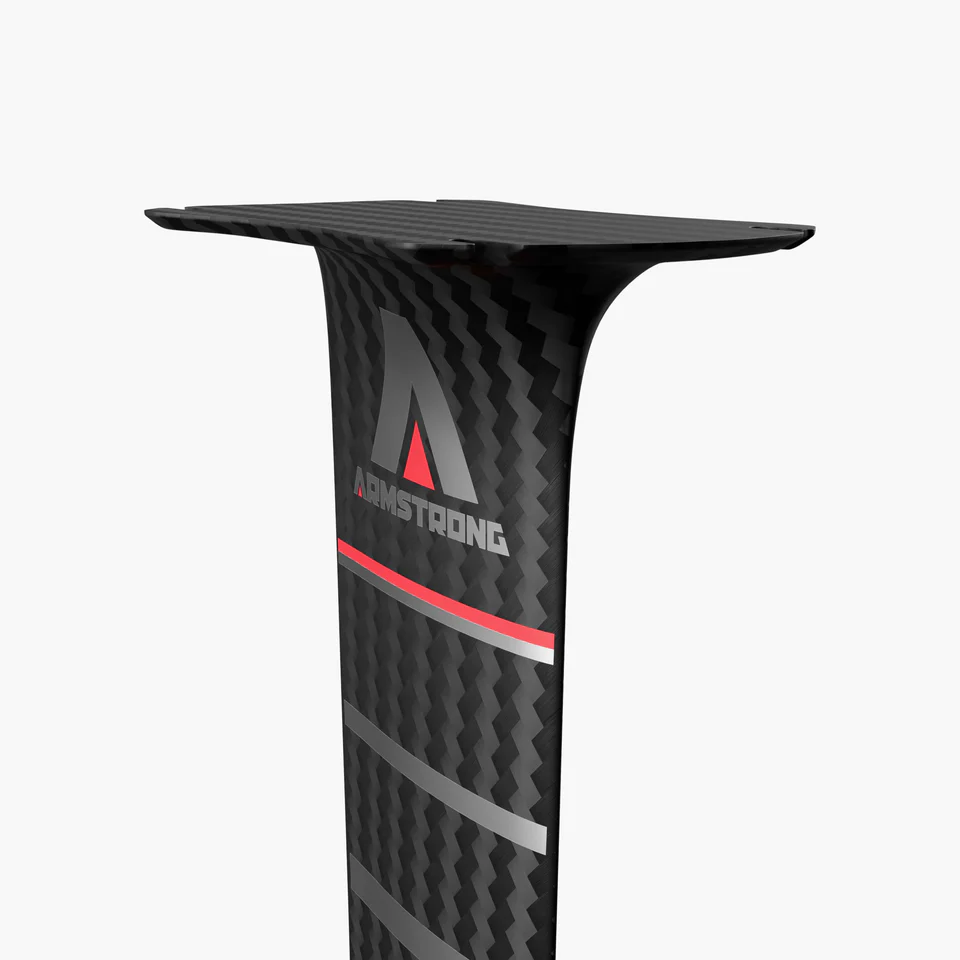
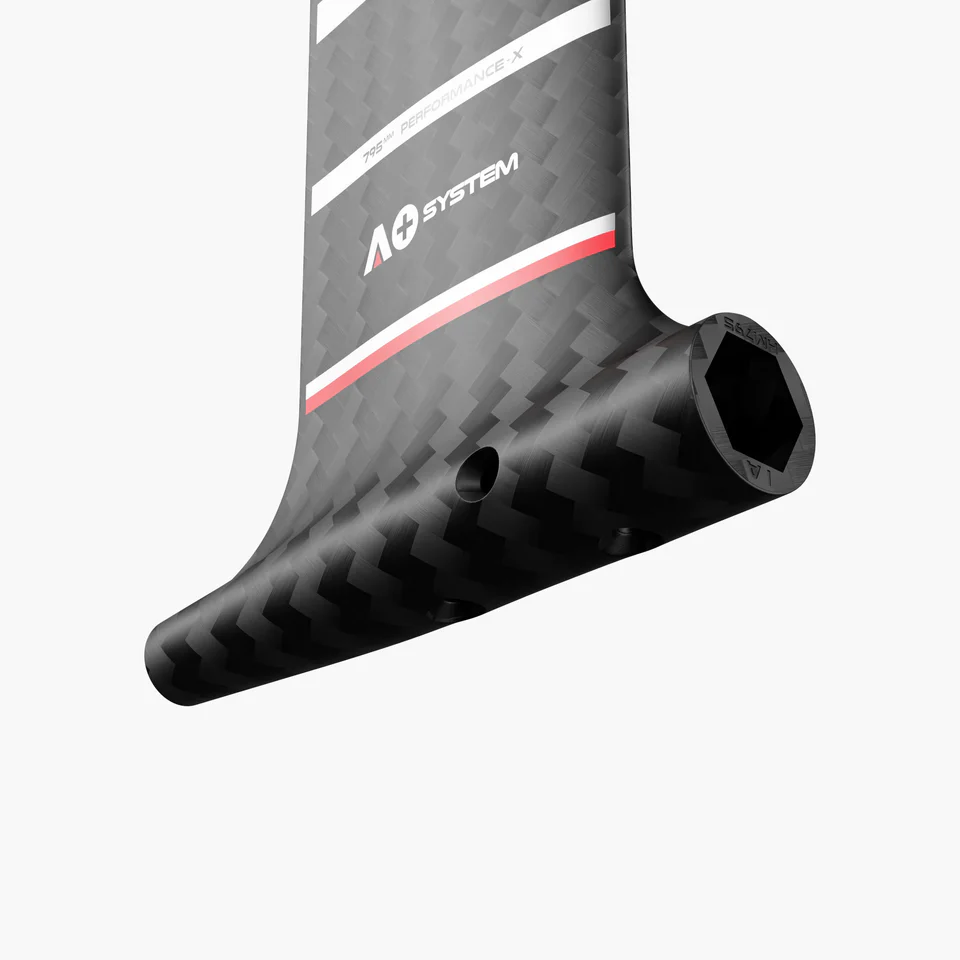
Performance-X Carbon Mast
Price range: €1,500.00 through €1,600.00
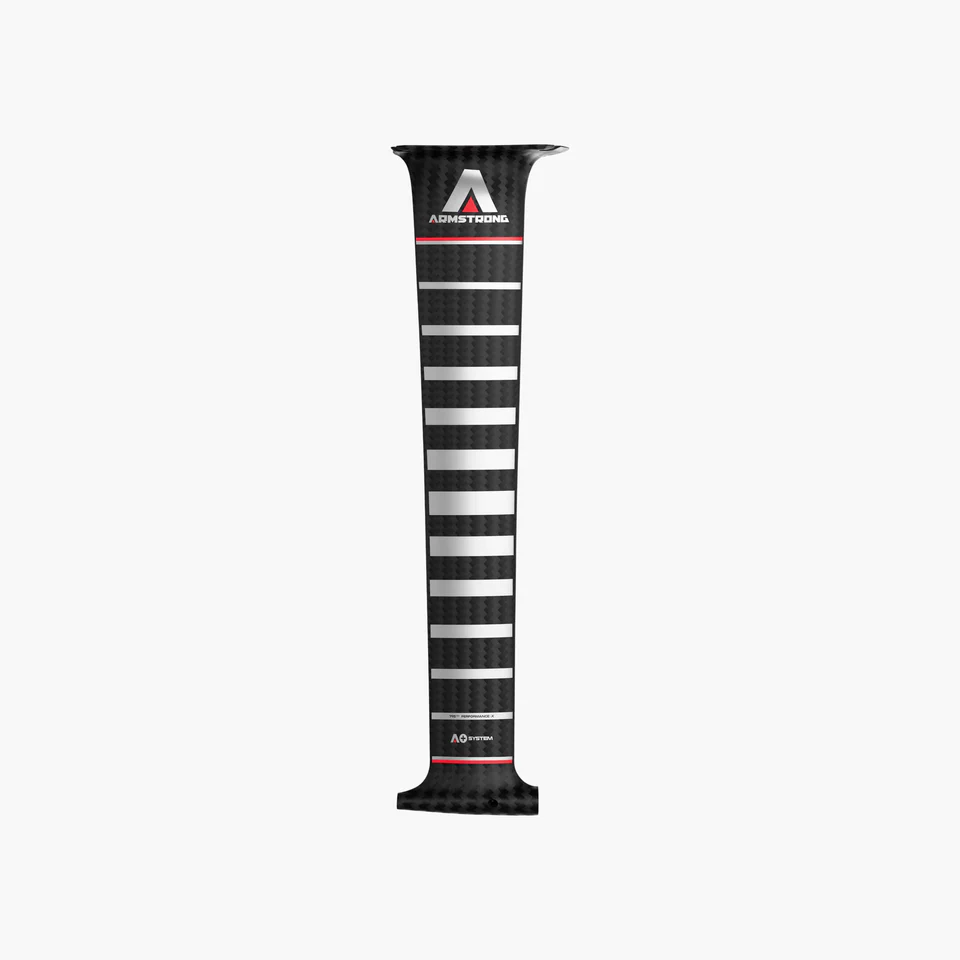
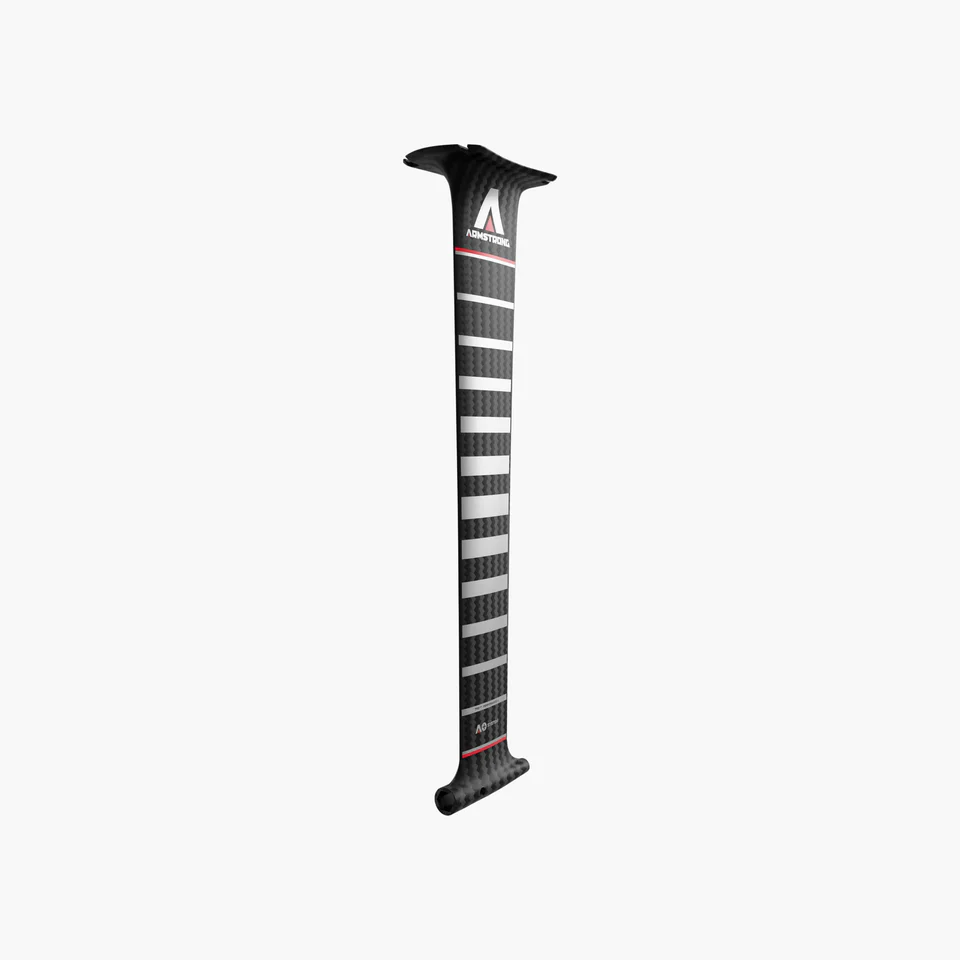
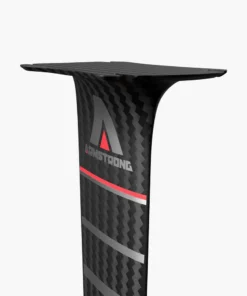
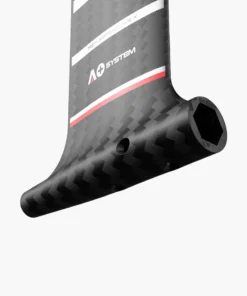
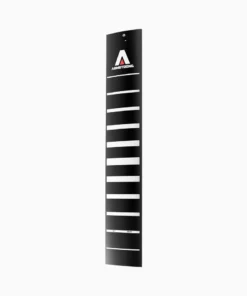
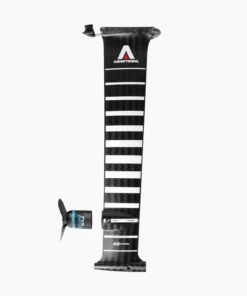
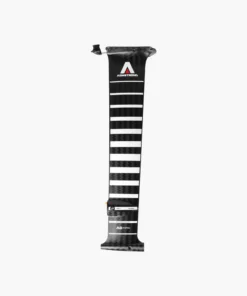
The Performance-X Carbon Mast 12mm is a specialist, efficiency-focused mast designed for advanced riders chasing maximum glide, speed, and a freer turning feel. With an ultra-thin profile and ultra-high modulus carbon construction, it minimises drag while maintaining control, delivering a fast, loose, and highly efficient ride.
spec
Length: 725mm Thickness: 12mm Chord: 106mm Mast Angle: 0.5° Weight: 1650g
conclusion
0.5° Mast Shim
Performance-X Carbon Mast – Ultra-Stiff Foil Mast Engineering, Hydrodynamic Efficiency & High-Speed Control
Advanced Carbon Fiber Engineering for Modern Foiling Performance
The Performance-X Carbon Mast is engineered to deliver exceptional rigidity, hydrodynamic efficiency, lightweight responsiveness, and high-speed stability for riders seeking advanced control across modern foiling disciplines. As foil sports continue evolving rapidly, riders increasingly demand equipment capable of maintaining precision handling under greater speeds, stronger loading forces, and more dynamic riding conditions. Consequently, high-performance carbon mast technology has become one of the most important components influencing overall foil responsiveness, carving accuracy, pumping efficiency, and long-term riding confidence.
Modern foil systems depend heavily on structural stiffness and hydrodynamic refinement. While front wings and stabilizers often receive significant attention, mast engineering plays a central role in determining how efficiently rider input transfers into directional response and foil stability. A poorly engineered mast may introduce flex inconsistency, unwanted torsional movement, or drag-related inefficiencies that negatively affect overall control. However, advanced carbon fiber construction significantly improves rigidity while reducing unnecessary weight and hydrodynamic resistance wing foil front wing.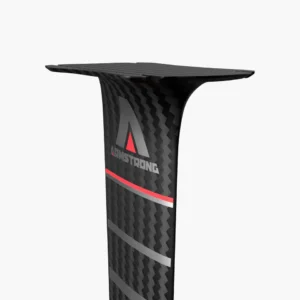
One of the defining advantages of carbon fiber construction is its exceptional stiffness-to-weight ratio. Carbon composite materials provide extremely high structural rigidity while remaining substantially lighter than many traditional aluminum systems. Reduced weight improves overall maneuverability, quicker directional response, and smoother handling during technical transitions. Furthermore, lighter foil setups generally reduce rider fatigue during longer sessions and improve responsiveness during pumping sequences and carving maneuvers.
Rigidity remains particularly important during high-load riding situations. Foiling places continuous pressure on mast structures because rider input, water resistance, and foil lift forces all converge through the mast assembly. Excessive flex may create delayed response behavior or unstable directional feedback during aggressive turns and higher-speed riding. Consequently, advanced carbon laminate engineering focuses heavily on maximizing torsional stiffness and structural stability under load.
The Performance-X Carbon Mast is engineered around this stiffness-focused philosophy. Reinforced carbon layering helps maintain consistent structural integrity during carving transitions, pumping cycles, and high-speed acceleration phases. As a result, riders experience more direct foil feedback and cleaner energy transfer between body movement and foil response.
Hydrodynamic efficiency also plays a major role in overall performance. Mast profile geometry directly influences water resistance, glide efficiency, and turbulence generation during movement through the water column. Thicker inefficient profiles may increase drag and reduce acceleration efficiency. However, refined hydrodynamic shaping minimizes resistance while preserving structural strength and predictable handling behavior.
Reduced drag contributes to smoother glide characteristics and improved speed retention across varying riding conditions. Efficient water flow around the mast profile helps maintain cleaner foil engagement while reducing unnecessary turbulence during acceleration and directional transitions. Consequently, riders experience more controlled high-speed handling and improved pumping efficiency over longer distances armstrong midlength.
Surface finishing quality further affects hydrodynamic behavior. Smooth carbon laminate finishing helps reduce surface friction while improving water release consistency. Precision manufacturing tolerances also ensure cleaner foil alignment and improved structural integration throughout the entire foil assembly armstrong v1 downwind board.
Connection stability between mast, fuselage, and board mounting systems remains equally important. Secure structural interfaces help eliminate unwanted movement or vibration during riding. Tight tolerance engineering improves overall rigidity while preserving precise steering response and stable energy transfer throughout aggressive riding maneuvers. Consequently foil for sup, connection refinement directly influences rider confidence during technical carving and high-speed riding situations armstrong foils for sale.
The lightweight nature of carbon fiber construction additionally improves maneuver responsiveness during progressive riding disciplines. Reduced swing weight allows riders to initiate turns more quickly while maintaining smoother transition control during rapid directional changes. This responsiveness becomes especially noticeable during surf foiling, wing foiling, and freestyle-oriented riding environments where precise movement timing significantly affects overall flow and performance armstrong wings.
Pumping efficiency also benefits substantially from lightweight rigid mast engineering. Efficient pumping requires clean energy transfer between rider movement and foil lift generation. Excessive mast flex may absorb energy that would otherwise contribute to sustained glide. However, high-rigidity carbon construction helps preserve momentum while supporting cleaner rebound characteristics during repeated pump cycles sup foilboard.
High-speed stability remains another defining characteristic of advanced carbon mast systems. As riding speeds increase, hydrodynamic pressure and structural loading rise significantly. Stable carbon structures help maintain predictable foil behavior while minimizing unwanted oscillation or instability. Consequently, riders can maintain greater confidence during powered riding conditions and extended high-speed runs.
Versatility across multiple foiling disciplines further enhances overall usability. Advanced carbon mast systems are increasingly used across wing foiling, surf foiling, downwind riding foiling boards, prone foiling, and freeride applications because they balance efficiency, responsiveness, and control across changing conditions. Riders therefore benefit from adaptable performance characteristics capable of supporting progression across multiple riding styles.
Durability also remains a major focus within premium carbon engineering. Reinforced laminate schedules and carefully controlled resin distribution help improve long-term structural reliability under repeated dynamic loading conditions hydrofoil lift stability. Proper care, transportation protection, and responsible maintenance practices further contribute to preserving structural integrity and consistent long-term performance.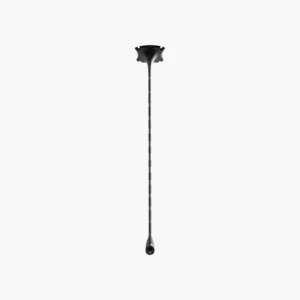
As modern foiling continues advancing toward greater speeds, sharper carving performance, and more technical riding progression, riders increasingly prioritize lightweight rigidity, hydrodynamic efficiency, precise handling response, and dependable structural stability. The Performance-X Carbon Mast reflects these priorities through its advanced carbon fiber construction, refined hydrodynamic shaping, torsional stiffness optimization surf foilboard, lightweight responsiveness, and high-speed control engineered for demanding modern foiling performance armstrong foiling across diverse riding kite armstrong disciplines armstrong downwind foil armstrong mid length board.
Hydrodynamic Control, Structural Rigidity, and High-Speed Riding Precision
Modern foil systems are increasingly engineered around efficiency, responsiveness, and stability because riders continue pushing performance boundaries across multiple disciplines including wing-assisted riding, surf-oriented carving, freeride cruising, and downwind exploration. As riding speeds increase and maneuver complexity advances, structural precision and hydrodynamic refinement become critically important for maintaining predictable handling and rider confidence armstrong fuselage. Consequently, advanced composite engineering now plays a central role in determining how effectively a foil setup responds under dynamic loading conditions Performance-X Carbon Mast.
One of the most important performance characteristics in modern foiling is torsional rigidity. During aggressive turns, pumping sequences, and high-speed carving maneuvers, large directional forces travel through the entire foil assembly beginner wake foil package. Excessive torsional flex may create delayed steering response or unstable feedback during transitions armstrong wing foil. However, rigid composite structures transfer rider input more directly into controlled foil movement, improving precision and overall handling consistency.
Structural stiffness also influences acceleration behavior and glide efficiency. Stable composite systems preserve energy transfer during pumping cycles while minimizing unnecessary flex-related energy loss surf foil boards. As a result, riders can maintain momentum more effectively across flat sections and extended glide sequences armstrong downwind boards armstrong downwind foil board. Efficient energy transfer becomes particularly valuable during low-energy wave riding or downwind conditions where maintaining speed directly affects ride continuity.
Hydrodynamic shaping further contributes to overall riding quality. Water moving around the submerged structure generates drag, turbulence, and pressure variation depending on profile geometry and surface finishing quality. Poorly optimized shapes may create unnecessary resistance that slows acceleration and reduces glide efficiency. In contrast, refined hydrodynamic contours encourage cleaner water flow while minimizing drag generation during both low-speed and high-speed riding conditions armstrong foils.
Reduced drag improves multiple aspects of performance simultaneously. Riders often experience smoother acceleration, improved pumping response armstrong integrated foil masts price 2025 armstrong kit, and more stable top-end speed characteristics when resistance is minimized effectively. Furthermore, cleaner water flow contributes to more predictable carving behavior because turbulence remains controlled throughout directional transitions armstrong foil boards.
Surface finishing quality also influences hydrodynamic efficiency. Smooth composite surfaces reduce water friction while helping maintain cleaner release characteristics during movement through varying water conditions. Precision manufacturing tolerances improve alignment consistency and support more stable overall handling throughout the foil system.
Weight reduction remains another major priority in advanced composite engineering windsurf foil board. Lightweight construction improves responsiveness during turns and directional changes because reduced mass allows quicker reaction to rider input. Consequently, riders often notice faster carving initiation and more fluid maneuver transitions during progressive riding situations Performance-X Carbon Mast.
Reduced overall system weight also contributes to improved pumping efficiency. Efficient pumping requires repeated energy transfer between rider movement and foil lift generation HA Front Foil for sale. Lighter structures react more dynamically under pressure changes, allowing riders to sustain glide more effectively across longer distances. This responsiveness becomes especially valuable when linking waves or maintaining momentum through low-power section Performance-X Carbon Masts.
Connection stability between mounting components further affects overall riding confidence. Secure interfaces help eliminate unwanted movement, vibration, or structural play under heavy load conditions Performance-X Carbon Mast. Tight mechanical tolerances improve consistency during aggressive riding while maintaining stable directional feedback throughout rapid transitions and high-pressure maneuvers downwind foil boards.
High-speed stability continues to be one of the defining qualities separating advanced foil systems from entry-level designs. As riding velocity increases, water pressure against the foil structure rises dramatically hydrofoil front wing. Stable composite construction helps maintain predictable handling under these demanding conditions while reducing oscillation and unwanted vibration. Consequently, riders can maintain greater confidence during powered sessions and extended high-speed runs Performance-X Carbon Mast.
Carving responsiveness is equally important for overall riding enjoyment and technical progression. Smooth directional transitions require balanced rigidity and controlled pressure response during edge engagement. Advanced composite engineering helps preserve stable steering input throughout the entire carving arc armstrong performance mast, allowing riders to maintain fluid movement without sudden instability or delayed reaction.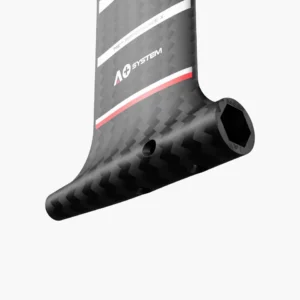
Versatility across changing water conditions has also become increasingly valuable for modern riders. Variable wind patterns, uneven swell energy, surface chop, and turbulent water movement all create rapidly changing pressure environments beneath the foil system. Equipment capable of maintaining predictable control through these variations improves rider confidence while reducing fatigue during longer sessions.
Durability remains another essential consideration for long-term usability. Repeated exposure to dynamic water pressure, transportation stress, UV conditions, and impact loading places substantial demands on composite structures. Reinforced laminate construction and carefully controlled resin distribution help preserve structural consistency across prolonged usage cycles Performance-X Carbon Mast. Proper maintenance and careful handling further contribute to maintaining reliable long-term performance Performance-X Carbon Mast.
Progressive riders increasingly seek equipment capable of supporting advanced maneuver development without sacrificing stability or accessibility Performance-X Carbon Mast. Responsive handling, controlled rigidity, and efficient hydrodynamic behavior allow riders to push performance boundaries more confidently while maintaining smooth overall control during technical riding situations.
As foiling disciplines continue evolving rapidly, advanced composite engineering and hydrodynamic refinement remain essential for maximizing responsiveness armstrong downwind board for sale, efficiency, high-speed stability, and carving precision. Modern riders now prioritize balanced structural control, lightweight maneuverability, efficient glide performance, and predictable handling characteristics capable of supporting progression across increasingly demanding riding environments Performance-X Carbon Mast.
Be the first to review “Performance-X Carbon Mast”
Related products
Armstrong x Foil Drive
Mast
Reviews
There are no reviews yet.