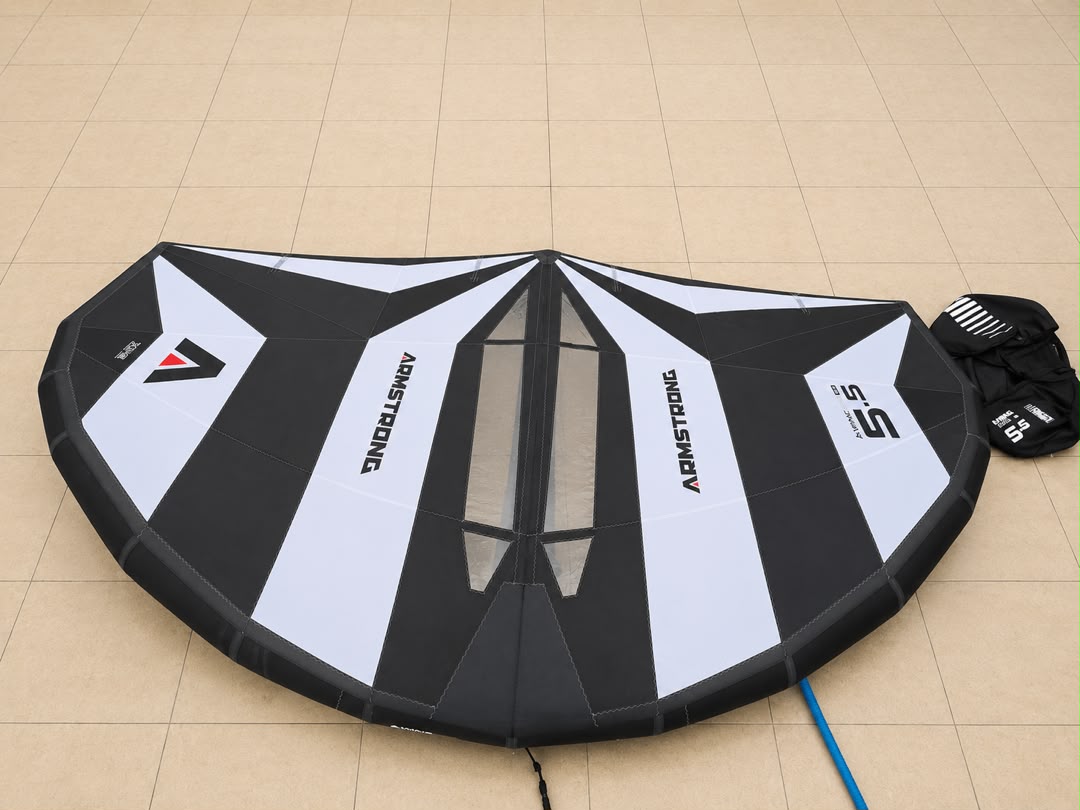
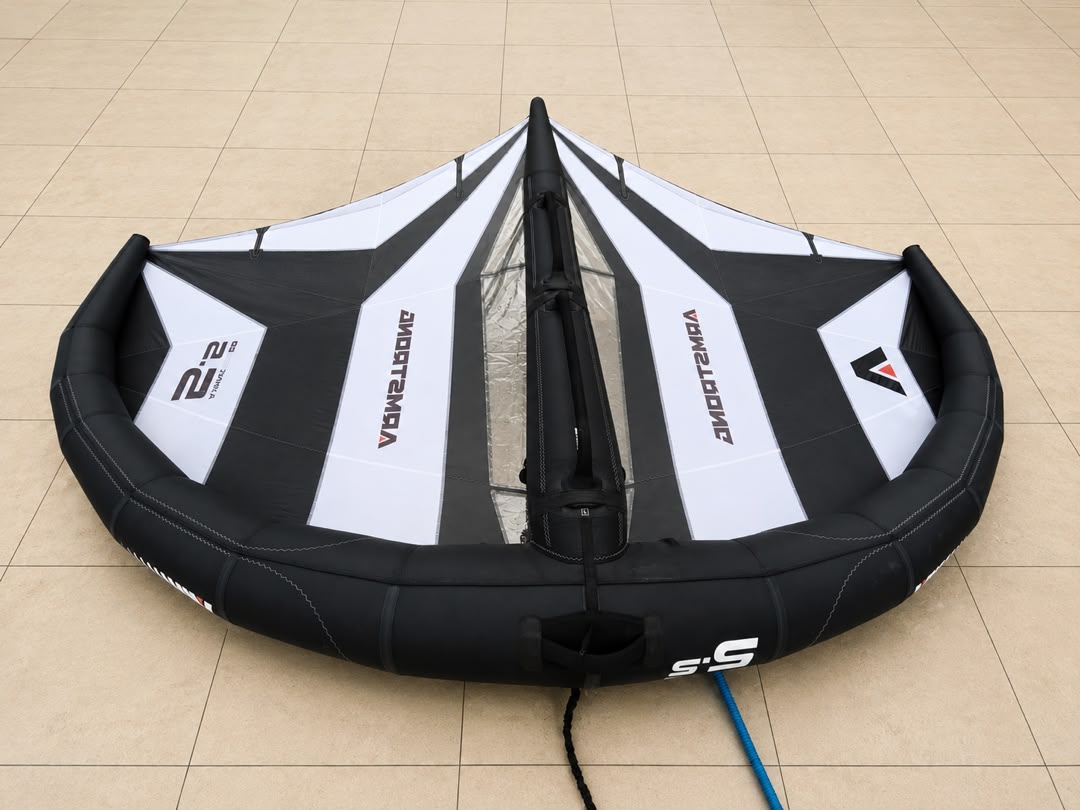
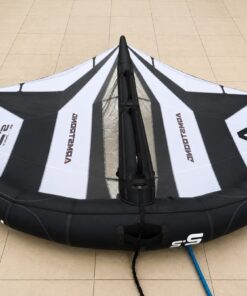
Armstrong A-Wing XPS Mk II 5.5
€550.00
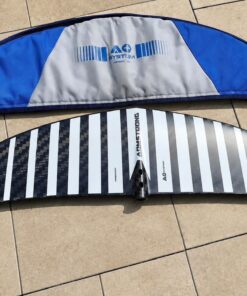
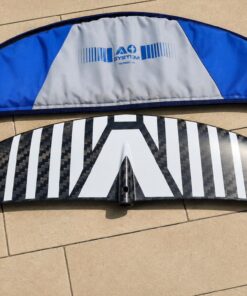
The used Armstrong A-Wing XPS Mk II 5.5 offers an excellent opportunity to own a premium wing at a more affordable price without compromising on quality or performance. Carefully inspected before listing, this pre-owned wing remains fully functional and is ready for your next wing foiling session. It delivers the responsive handling, balanced power delivery, and dependable stability that have made the A-Wing XPS Mk II series a trusted choice among riders worldwide.
This wing is ideal for freeride, cruising, learning, and progressing your wing foiling skills in a variety of wind conditions. Despite being pre-owned, it has been maintained to provide reliable on-water performance, making it a great option for beginners looking to invest in quality equipment or experienced riders wanting to expand their quiver while saving money.
Condition
- Genuine used Armstrong A-Wing XPS Mk II 5.5
- Fully inspected before sale
- Clean and in good working condition
- Normal cosmetic signs of previous use may be present
- No structural damage affecting performance
- Ready to inflate and ride
Armstrong A-Wing XPS Mk II 5.5 | Premium Wing Foil Wing for Performance, Stability & All-Condition Riding
Discover the Armstrong A-Wing XPS Mk II 5.5
The Armstrong A-Wing XPS Mk II 5.5 represents the latest evolution in premium wing foiling equipment, delivering an impressive combination of efficiency, control, durability, and refined handling. Designed for riders who demand reliable performance across varying wind conditions, this wing has been engineered to maximize power while maintaining excellent balance and predictable control. Whether you’re progressing through your first wing foil sessions or refining advanced carving and freeride techniques, the A-Wing XPS Mk II 5.5 offers the confidence required to spend more time enjoying the water.
Armstrong has become one of the most respected innovators in hydrofoil sports, continually developing products that combine precision engineering with practical usability. Today, Armstrong Foils are recognized worldwide for producing integrated foil systems, premium boards, and high-performance components that work seamlessly together. Riders who invest in Armstrong foils appreciate the company’s commitment to stiffness, lightweight construction, and long-term durability.
The Armstrong ecosystem extends far beyond a single wing. Many riders pair the A-Wing XPS Mk II with an Armstrong foil board, a dedicated surf foil board, or one of the increasingly popular Armstrong downwind board models. These boards are carefully engineered to complement modern hydrofoil designs, allowing riders to generate efficient lift while maintaining excellent control during takeoffs and carving turns.
One of the fastest-growing categories within foiling is the Armstrong midlength platform. An Armstrong mid length board provides a balance between compact maneuverability and efficient glide, making it an attractive option for riders seeking versatility across multiple disciplines. Likewise, Armstrong downwind boards continue to gain popularity because they offer extended glide characteristics that improve efficiency during open-water adventures.
Selecting the correct foil is equally important. Many experienced riders choose a high-aspect HA Front Foil because it delivers excellent glide, improved pumping efficiency, and smooth handling across long distances. A premium HA Front Foil helps maintain speed while reducing drag, making it particularly valuable during downwind runs and extended cruising sessions. Riders searching online for a HA Front Foil for sale frequently compare different aspect ratios to match their preferred riding style and local water conditions.
The complete hydrofoil system also includes the wing foil front wing, which directly influences lift generation, turning radius, and overall ride characteristics. A carefully engineered hydrofoil front wing creates smooth water flow beneath the surface while generating the controlled lift necessary for efficient foiling. The overall effectiveness of any front foil depends on its profile, span, and compatibility with the remaining foil components.
Many enthusiasts build their ideal setup by combining an Armstrong wing with compatible Armstrong wing foil equipment, creating a fully integrated system optimized for efficiency. These systems are commonly paired with Armstrong foil boards, allowing every component to function together as a complete performance package.
Board selection remains equally important. Whether using traditional surf foil boards, versatile foiling boards, or a dedicated foiling board for winging, matching the board volume and dimensions to rider weight and skill level greatly improves progression. Likewise, a purpose-built surf foilboard provides additional control during wave riding while maintaining efficient water release during takeoff.
Many advanced riders also appreciate the company’s specialized components, including the precision-engineered Armstrong fuselage and the highly regarded Armstrong performance mast. These components are designed to increase structural rigidity, improve responsiveness, and transfer rider input more directly into the foil system. Riders researching Armstrong integrated foil masts price or updated Armstrong integrated foil masts price 2025 often evaluate stiffness, construction materials, and compatibility before selecting the most suitable configuration.
The Armstrong product family continues expanding with innovative platforms such as the Armstrong V1 Downwind Board, purpose-built for efficient open-water performance. Likewise, the Armstrong downwind foil, Armstrong downwind foil board, and complementary foil packages provide exceptional glide characteristics for riders pursuing long-distance adventures in ocean swell.
Beyond wing foiling, many athletes also explore surf foil disciplines or integrate their equipment into SUP foiling using a dedicated foil for SUP. Others discover Armstrong through kite Armstrong setups before expanding into multiple foiling disciplines. Regardless of riding style, Armstrong wings are designed to provide dependable power delivery, comfortable handling, and predictable behavior throughout changing wind conditions.
One of the defining characteristics of modern hydrofoil design is hydrofoil lift stability. Maintaining stable lift allows riders to experience smoother transitions, improved balance, and more efficient energy transfer while flying above the water. Combined with refined wing geometry and premium materials, the Armstrong A-Wing XPS Mk II 5.5 delivers a balanced riding experience that supports progression, inspires confidence, and enables riders to maximize every session on the water.
Advanced Design, Construction, Aerodynamics, and On-Water Performance
Exceptional wing performance begins with thoughtful engineering rather than simply increasing size or rigidity. Every panel, seam, reinforcement point, and structural component contributes to how a wing behaves in changing wind conditions. The overall objective is to create a product that feels balanced in the rider’s hands while maintaining efficient power delivery, smooth handling, and dependable durability throughout years of regular use.
Engineered for Efficiency
A modern wing must perform consistently across a broad range of wind strengths. Achieving this requires careful attention to the shape of the canopy, the curvature of the leading edge, and the relationship between the airframe and the fabric. Together, these elements create an aerodynamic profile that captures wind efficiently while minimizing unnecessary drag.
Rather than producing abrupt bursts of power, a well-designed wing develops smooth, controllable pull. This predictable response helps riders accelerate gradually, maintain speed with less effort, and make precise adjustments while navigating changing conditions.
Lightweight Construction
Weight plays a significant role in overall handling. A lighter wing feels more responsive during transitions, requires less effort to maneuver overhead, and reduces fatigue during extended sessions.
Modern composite materials and high-strength woven fabrics allow manufacturers to reduce overall weight without compromising structural integrity. Carefully selected reinforcement zones strengthen areas subjected to repeated stress while allowing the remaining structure to remain light and flexible.
This balanced construction helps riders maintain better control whether they are cruising comfortably, practicing new techniques, or spending several hours on the water.
Optimized Canopy Tension
The canopy acts as the primary surface that converts wind energy into forward motion. Uniform tension across this surface is essential for maintaining aerodynamic efficiency.
An evenly tensioned canopy minimizes unwanted flutter, helping the wing retain its intended shape even as wind strength varies. This consistency provides a smoother ride while allowing the rider to focus more on body positioning and board control rather than constantly correcting wing movement.
Stable canopy behavior also contributes to more efficient power transfer, especially during acceleration and sustained cruising.
Frame Rigidity and Structural Balance
The inflatable frame forms the structural backbone of the wing. Its primary function is to maintain the designed airfoil shape while absorbing dynamic loads generated by wind and rider input.
A properly engineered frame strikes a careful balance between rigidity and controlled flexibility. Excessive stiffness can make handling feel harsh, while too much flexibility may reduce efficiency and responsiveness.
Achieving this balance allows the wing to remain stable during gusts while still responding naturally to steering inputs.
Comfortable Handling Throughout Every Session
Comfort is one of the defining characteristics of premium equipment. Ergonomic handle positioning allows riders to maintain a relaxed grip while minimizing unnecessary wrist and forearm fatigue.
Balanced weight distribution further improves comfort by preventing the wing from feeling excessively heavy at either end. As a result, riders can maintain better posture and conserve energy during long sessions.
Reduced physical strain also supports improved technique because the rider can concentrate on positioning, balance, and water awareness rather than fighting the equipment.
Stable Power Delivery
Changing wind conditions require equipment capable of adapting smoothly. Gusts should produce controlled increases in power rather than sudden surges that disrupt balance.
A stable power profile helps riders maintain confidence while navigating variable conditions. Smooth acceleration allows easier takeoffs, more consistent cruising, and improved control during transitions.
This predictable behavior benefits beginners who are still developing coordination while remaining equally valuable for experienced riders seeking refined performance.
Responsive Steering Characteristics
Precise steering allows riders to position the wing efficiently throughout every phase of a session. Small hand movements should translate into smooth directional changes without excessive delay.
Responsive handling becomes particularly valuable when making turns, adjusting course, or adapting quickly to changing wind direction. The ability to reposition the wing effortlessly contributes to better overall control while reducing unnecessary physical effort.
Natural steering characteristics also make progression easier as riders begin exploring more advanced maneuvers.
Performance Across Diverse Conditions
Water conditions rarely remain constant. Wind speed, surface texture, and wave size often change throughout the day. Equipment capable of adapting to these variations provides greater confidence and flexibility.
A balanced wing performs effectively during relaxed cruising, moderate chop, rolling swell, and variable wind strengths. Instead of excelling only within a narrow performance window, versatile equipment remains predictable across a wide operating range.
This adaptability allows riders to maximize time on the water without constantly changing equipment as conditions evolve.
Durability for Long-Term Ownership
Outdoor equipment must withstand repeated exposure to sunlight, saltwater, fresh water, sand, and changing temperatures. High-quality materials combined with reinforced construction help preserve structural integrity through regular use.
Routine care further extends service life. Rinsing with fresh water after saltwater sessions, allowing the wing to dry completely before storage, and avoiding prolonged exposure to direct sunlight when not in use all contribute to maintaining material performance.
Regular inspections also help identify minor wear before it develops into more significant damage.
Designed to Support Skill Progression
Perhaps the greatest advantage of a well-engineered wing is its ability to grow alongside the rider. Beginners benefit from predictable handling and forgiving behavior, while experienced users appreciate refined responsiveness and efficient power management.
As skills improve, the equipment continues to provide reliable performance across increasingly demanding conditions. This versatility allows riders to explore new techniques, build confidence, and enjoy a wide variety of foiling disciplines without quickly outgrowing their gear.
Ultimately, thoughtful engineering, durable construction, efficient aerodynamics, and balanced handling combine to create a wing that delivers consistent performance, enjoyable control, and lasting value throughout countless sessions on the water.
Real-World Riding Experience, Wind Range, Performance Benefits, and Choosing the Right Conditions
A wing’s true quality becomes evident not in specifications alone but in how it performs during real sessions on the water. While technical design provides the foundation, practical usability determines whether riders can confidently enjoy long days of foiling in a wide variety of conditions. From the moment the wing is inflated until it is packed away after a session, every aspect of its performance contributes to the overall riding experience.
Smooth Power Delivery Throughout Every Session
One of the most valuable characteristics of premium equipment is the ability to deliver power progressively. Rather than feeling abrupt or unpredictable, the pull develops naturally as wind pressure increases. This smooth response allows riders to accelerate confidently while maintaining balance and control.
A progressive power curve also reduces unnecessary corrections. Instead of constantly adjusting body position to compensate for sudden changes in pull, riders can maintain a relaxed stance and focus on reading the water ahead.
This controlled behavior becomes especially noticeable during longer sessions where comfort and efficiency are just as important as raw performance.
Confidence in Changing Wind Conditions
Wind rarely remains perfectly consistent throughout the day. Light breezes may quickly develop into stronger gusts, while weather systems can alter conditions within minutes. Equipment that remains composed during these transitions provides a far more enjoyable experience.
A balanced wing absorbs changes in wind strength smoothly, helping riders maintain their rhythm without feeling overwhelmed. Stable handling also reduces fatigue because fewer corrective movements are required when conditions become variable.
This predictable performance encourages riders to stay relaxed, allowing them to concentrate on technique instead of constantly reacting to environmental changes.
Early Session Efficiency
Many riders appreciate equipment that becomes effective without requiring excessive effort to generate forward momentum. Efficient designs help riders establish movement smoothly, allowing them to transition naturally into sustained riding once adequate speed has been achieved.
This efficiency conserves energy, making longer sessions possible while reducing physical strain. Riders often find that equipment requiring less effort allows them to spend more time refining technique rather than simply working to maintain motion.
Energy conservation becomes particularly valuable during extended outings or when multiple sessions are planned throughout the day.
Comfortable Cruising
Not every session is focused on speed or advanced maneuvers. Many enthusiasts simply enjoy exploring coastlines, lakes, or open water at a relaxed pace. Comfortable cruising requires predictable handling, balanced power, and minimal physical effort.
A wing that remains light in the hands while maintaining steady forward drive allows riders to cover greater distances comfortably. Reduced arm fatigue and stable flight characteristics contribute to a more enjoyable overall experience.
Relaxed cruising also provides an excellent opportunity for newer riders to build confidence before progressing to more challenging techniques.
Support for Progressive Skill Development
As riders gain experience, their expectations naturally evolve. Skills that initially seemed challenging gradually become routine, creating opportunities to explore more advanced techniques.
Reliable equipment supports this progression by remaining predictable throughout every stage of development. Rather than limiting advancement, well-designed gear continues providing consistent feedback as riders improve their balance, coordination, and control.
This long-term usability makes quality equipment a worthwhile investment for those committed to continued progression.
Efficient Handling During Maneuvers
Smooth transitions between different riding positions require equipment that responds naturally to steering inputs. Whether changing direction, adjusting body position, or preparing for another maneuver, balanced handling simplifies every movement.
Consistent responsiveness allows riders to anticipate how the wing will behave before making each adjustment. This predictability builds confidence and encourages experimentation as overall skill continues to improve.
Natural handling characteristics also reduce unnecessary physical effort during repeated transitions throughout a session.
Performance Across Different Water Conditions
Water conditions vary considerably depending on location and weather. Flat water provides an ideal environment for learning, while small chop introduces additional challenges that help develop balance and control. Ocean swell requires continuous adaptation as the water surface changes beneath the board.
Versatile equipment performs effectively across all these environments by maintaining stable behavior despite constantly changing conditions. Riders can therefore enjoy greater flexibility when selecting locations rather than limiting themselves to only perfect weather.
This adaptability expands opportunities for regular practice while increasing overall enjoyment throughout the season.
Reduced Fatigue During Extended Sessions
Physical endurance plays an important role in any water sport. Equipment that requires excessive effort often shortens sessions and slows skill development.
Balanced weight distribution, efficient aerodynamics, and comfortable ergonomics all contribute to reducing fatigue. Riders can therefore remain focused for longer periods while maintaining better technique throughout each outing.
Lower physical demand also makes recovery easier between sessions, allowing enthusiasts to spend more time enjoying the sport.
Adapting to Seasonal Conditions
Weather patterns change throughout the year, bringing different wind strengths, temperatures, and water conditions. Equipment capable of performing consistently across these seasonal variations offers greater long-term value.
During warmer months, lighter winds may encourage relaxed cruising and extended exploration. Stronger seasonal systems may provide opportunities for more dynamic riding, provided conditions remain within the rider’s experience level.
Understanding local weather forecasts and choosing suitable conditions remain essential aspects of responsible participation.
Long-Term Satisfaction
The enjoyment provided by quality equipment extends well beyond its initial purchase. Reliable performance, durable construction, and predictable handling encourage continued use while supporting ongoing skill development.
As riders become more experienced, they often appreciate subtle design characteristics that were less noticeable during their first sessions. Smooth power delivery, balanced control, and dependable handling continue providing value regardless of experience level.
Ultimately, long-term satisfaction comes from equipment that consistently performs as expected, adapts to changing conditions, and allows riders to focus on enjoying every moment on the water. Combined with proper maintenance, responsible use, and regular practice, these qualities create an experience that remains rewarding season after season.
Maintenance, Care, Storage, Safety, and Long-Term Value
Owning premium watersports equipment involves more than simply enjoying it on the water. Proper maintenance, careful handling, and appropriate storage play a significant role in preserving performance throughout its lifespan. Although modern materials are engineered to withstand demanding environments, routine care helps ensure consistent reliability while protecting the investment for many seasons to come.
Inspect Before Every Session
A brief inspection before launching can prevent many common issues. Riders should examine the canopy for tears, abrasions, or loose stitching and inspect the frame for any signs of damage or abnormal wear. Inflation valves should be checked to ensure they are clean and functioning correctly, while handles and attachment points should remain securely fastened.
Taking a few minutes to inspect equipment before entering the water provides peace of mind and reduces the likelihood of unexpected interruptions during a session.
Inflate Correctly
Maintaining the recommended inflation pressure is essential for achieving the intended handling characteristics. Underinflation may reduce rigidity and efficiency, while excessive pressure can place unnecessary stress on the structure, particularly during hot weather when internal air pressure naturally increases.
Using a reliable pump equipped with an accurate pressure gauge allows riders to inflate the wing consistently. Monitoring pressure throughout the day is especially beneficial when temperatures change significantly between morning and afternoon sessions.
Rinse After Saltwater Use
Saltwater exposure leaves mineral deposits on fabric, valves, and hardware. If left uncleaned, these deposits can gradually contribute to premature wear and make moving parts more difficult to operate.
Rinsing the equipment thoroughly with fresh water after each saltwater session removes accumulated salt and helps preserve both the materials and mechanical components. Freshwater users should also rinse away sand, mud, or organic debris before storage.
Allowing the equipment to dry naturally after rinsing further reduces the possibility of mold, mildew, or unpleasant odors developing during storage.
Dry Completely Before Packing
Packing equipment while still wet can trap moisture inside the folded canopy. Over time, this moisture may encourage mildew growth or affect the condition of the fabric.
Whenever possible, allow the wing to air dry completely in a shaded, well-ventilated area before folding and storing it. Avoid prolonged exposure to direct sunlight during drying, as excessive ultraviolet exposure can gradually weaken synthetic materials.
Careful drying also helps maintain the appearance and structural integrity of the canopy over many years of use.
Fold Carefully
Proper folding techniques help preserve the natural shape of the materials while reducing unnecessary stress on seams and reinforced areas.
Avoid creating extremely tight folds or repeatedly folding along the exact same lines. Varying fold locations occasionally distributes stress more evenly across the canopy and helps minimize long-term material fatigue.
Packing the equipment neatly also makes transportation more convenient and simplifies setup before the next session.
Store in Suitable Conditions
Storage conditions have a direct impact on equipment longevity. A cool, dry location protected from excessive humidity and direct sunlight provides the most favorable environment.
Avoid storing equipment inside vehicles for extended periods during hot weather, as elevated temperatures may increase internal pressure or accelerate material aging. Likewise, damp storage areas should be avoided because prolonged moisture exposure can affect both fabric and stitching.
Using a breathable storage bag further protects the equipment from dust while allowing any remaining moisture to escape.
Transport With Care
Transportation exposes equipment to vibration, impacts, and abrasion. Placing the wing inside a dedicated protective bag helps reduce wear during travel.
Heavy objects should not be stacked on top of packed equipment for long periods, as unnecessary compression may deform structural components or place additional stress on seams.
Taking a few simple precautions during transportation contributes significantly to maintaining the wing’s condition throughout years of regular use.
Recognize Signs of Wear
Routine inspections help identify small issues before they become more serious. Minor abrasions, loose stitching, or gradual valve wear can often be addressed early, preventing larger repairs later.
Paying attention to changes in handling characteristics may also indicate that maintenance or inspection is required. Addressing concerns promptly helps preserve both safety and performance.
Professional repair services should be used whenever significant structural damage is identified.
Practice Safe Operating Habits
Safety begins long before entering the water. Riders should check weather forecasts, understand local conditions, and ensure that their equipment is appropriate for the expected environment armstrong foils for sale.
Personal flotation devices, suitable protective gear, and reliable communication methods are strongly recommended whenever riding offshore or in unfamiliar locations. Maintaining awareness of other water users also contributes to a safer experience for everyone.
Responsible decision-making includes recognizing personal skill limits and avoiding conditions that exceed one’s level of experience.
Environmental Responsibility armstrong foiling
Protecting natural waterways benefits both current participants and future generations. Riders should avoid launching from environmentally sensitive areas whenever possible and respect local conservation guidelines.
Packing out all waste, avoiding unnecessary disturbance to wildlife, and following designated access routes help preserve beaches, lakes, and coastal environments.
Treating equipment carefully also reduces unnecessary waste by extending its useful lifespan and minimizing the need for premature replacement.
Maximizing Long-Term Value
Quality equipment often delivers its greatest value over years of consistent use rather than during its first few sessions. Proper maintenance, careful storage, and responsible handling preserve both appearance and performance, allowing riders to enjoy dependable operation season after season.
Developing good care habits from the beginning requires only a small investment of time but can significantly extend the life of the equipment. Combined with ongoing skill development and thoughtful use, these practices help ensure that every session remains enjoyable, efficient, and rewarding throughout many years on the water.
Be the first to review “Armstrong A-Wing XPS Mk II 5.5”
Related products
Used Product
Used Product
Used Product
Used Product
Used Product
Used Product
Used Product
Used Product
Reviews
There are no reviews yet.