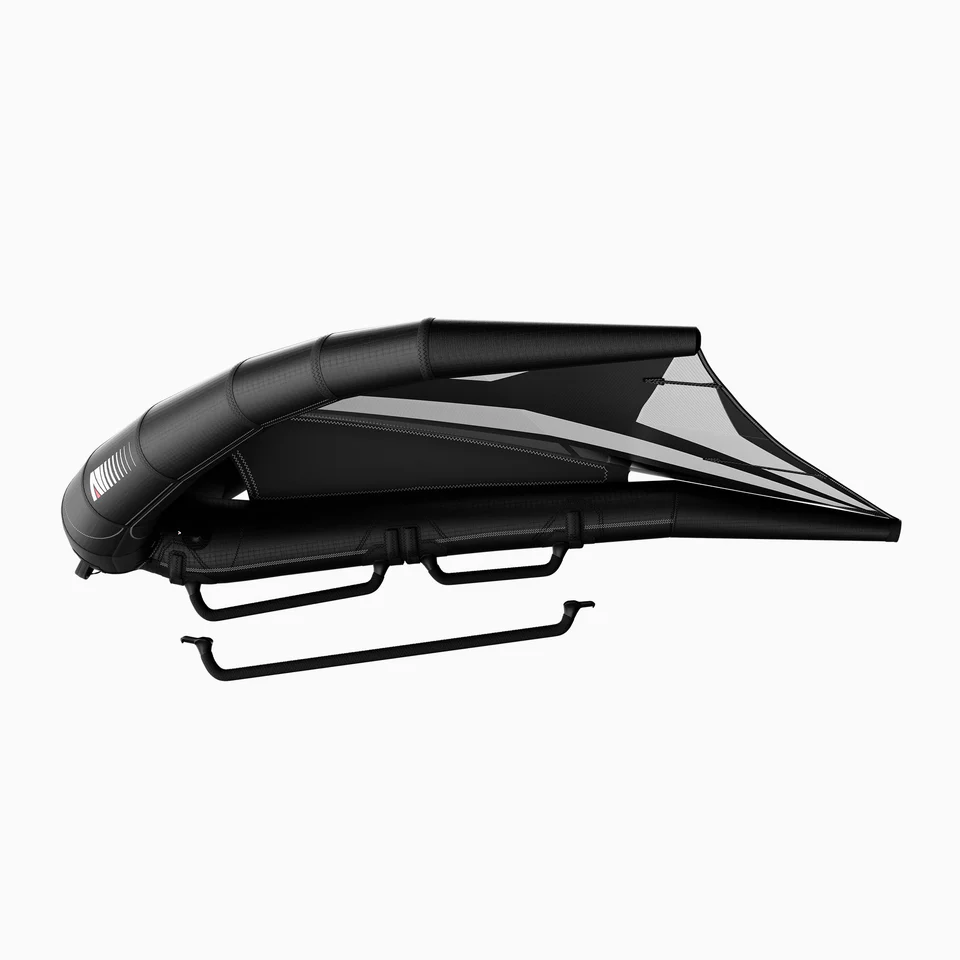
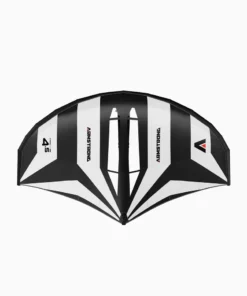
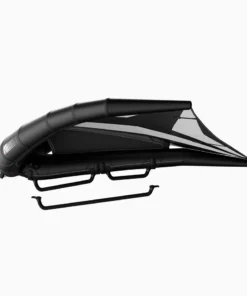
A-Wing XPS Mk II

Price range: €600.00 through €825.00
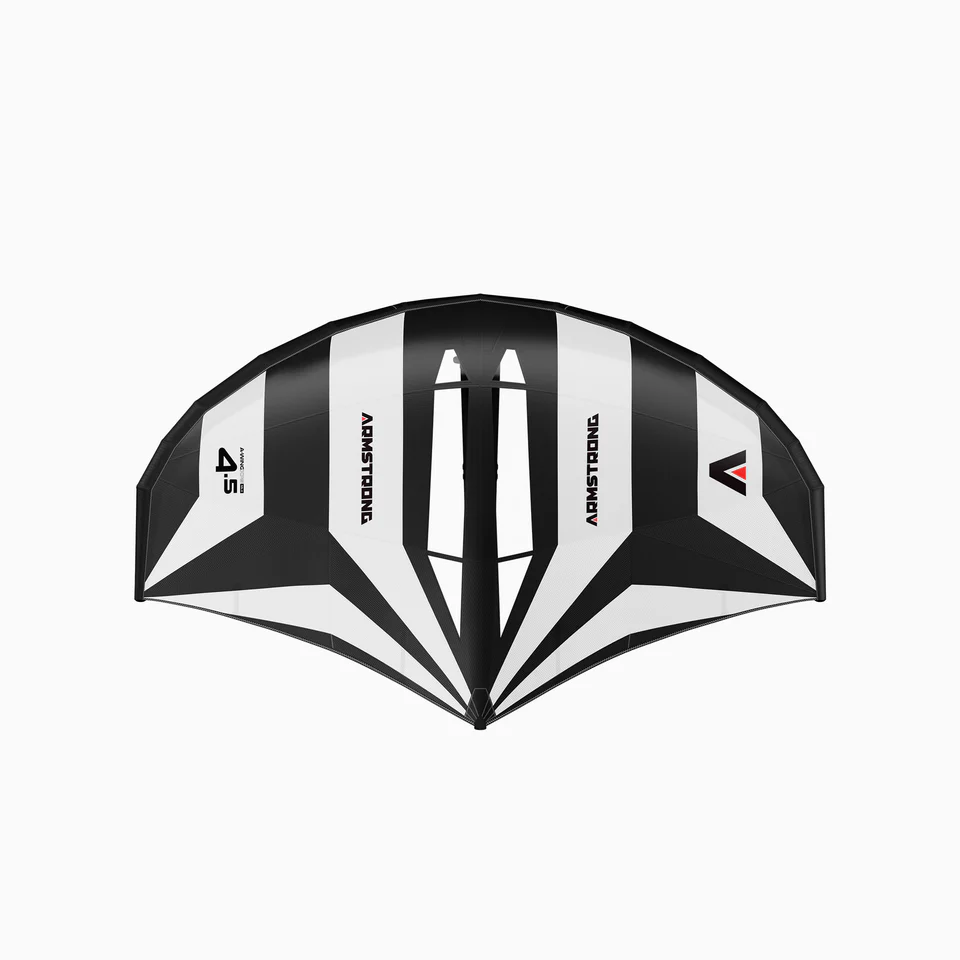
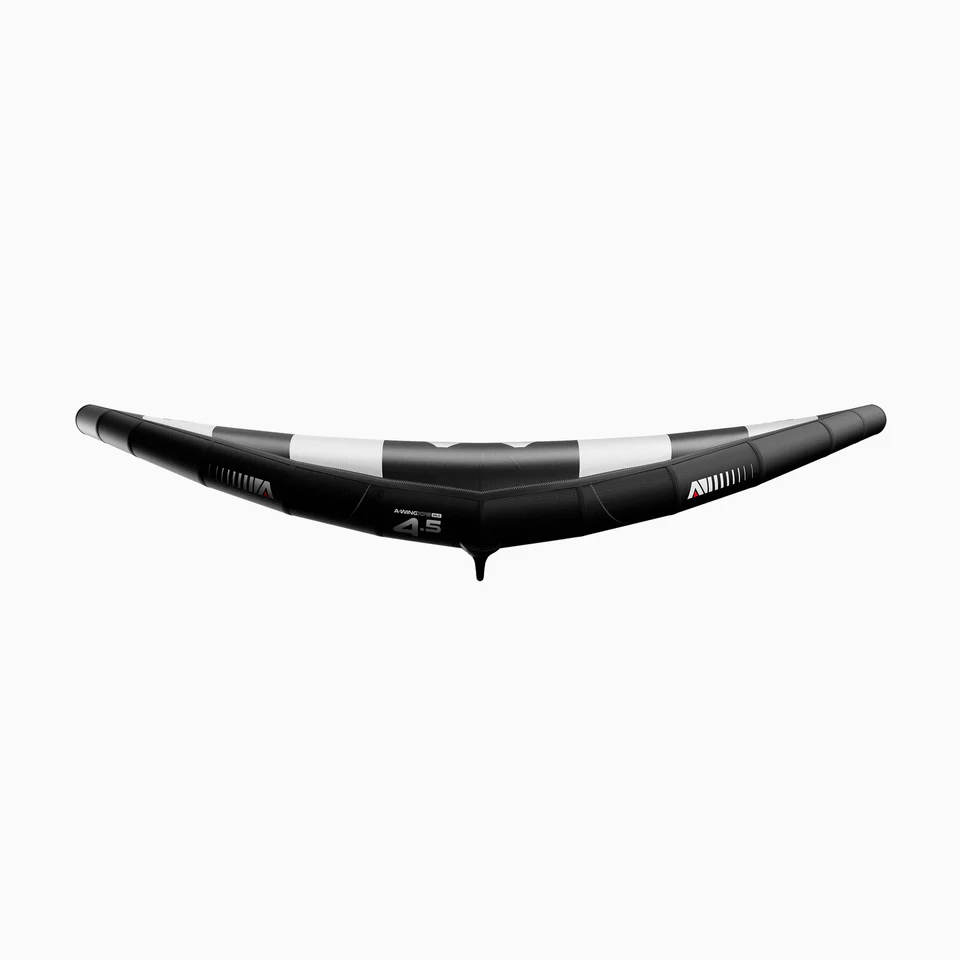
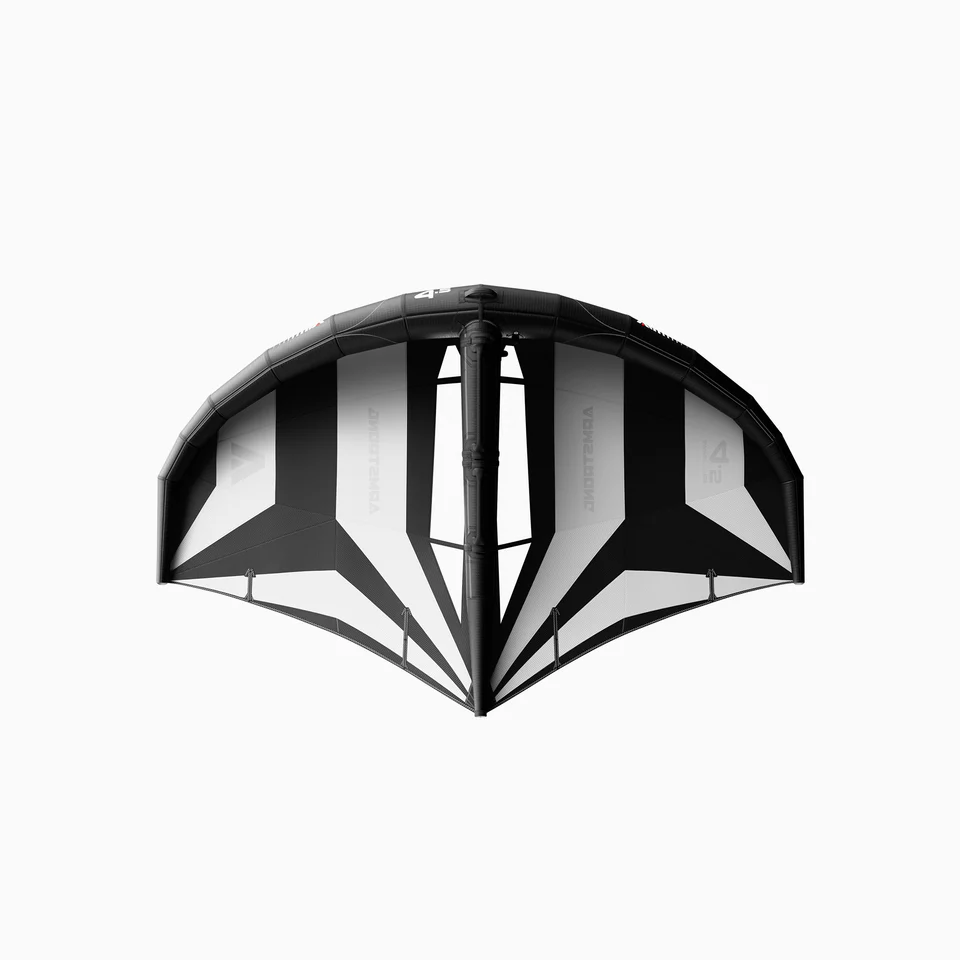
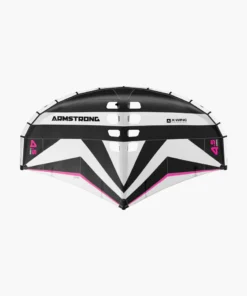
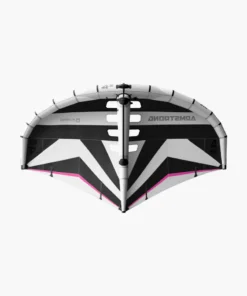
After two years in development, the new A-Wing XPS Mk II is here. Whether it’s next level wing surfing, freestyle, or the Wednesday night local race, it’s all in the cards with the A-Wing XPS Mk II. This evolution of the A-Wing delivers greater stability and upwind speed along with the all new Dyna-Link handle system for seamless adjustability between carbon handles or a boom. The XPS Mk II is the most versatile wing, re-engineered.
Carbon handles included. Carbon boom sold separately.
Specifications
A-Wing XPS Mk II – Advanced Performance Wing for Power, Stability, Control, and Next-Generation Wing Foiling
Introduction to the A-Wing XPS Mk II and Its Next-Generation Wing Foiling Design
Why the A-Wing XPS Mk II Represents the Evolution of Modern Wing Technology
The A-Wing XPS Mk II has been engineered for riders seeking greater efficiency, improved power delivery, enhanced stability, and more responsive control across the rapidly evolving world of wing foiling. As the sport continues progressing, riders increasingly demand equipment capable of delivering predictable performance in a wide variety of conditions while supporting both progression and advanced riding goals. Consequently, modern wing development has focused heavily on refining aerodynamic efficiency, structural rigidity, handling responsiveness, and rider comfort.
The A-Wing XPS Mk II represents this new generation of design philosophy by combining advanced materials, refined canopy engineering, optimized frame geometry, and efficient power management into a highly versatile performance platform. As a result, riders benefit from smoother acceleration, improved upwind capability, greater wind range versatility, and more confidence across changing water and wind conditions.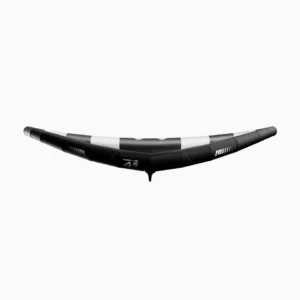
Unlike earlier wing designs that often required compromises between power, stability, and handling agility, this wing has been developed to balance these characteristics effectively. Consequently, it performs equally well during progression-focused sessions, long-distance cruising, wave riding, freeride exploration, and advanced performance applications.
Additionally, the design supports a broad range of rider skill levels. Beginners appreciate the predictable handling and balanced power delivery, while advanced riders enjoy the responsive control and high-performance characteristics required for technical progression.
What Makes the A-Wing XPS Mk II Different From Traditional Wing Designs
Several important engineering innovations distinguish this wing from conventional designs currently available on the market.
First, the canopy profile has been optimized to improve aerodynamic efficiency while maintaining exceptional stability. Because canopy shape directly influences power generation and control characteristics, riders experience smoother and more predictable performance throughout varying wind strengths.
Second, advanced frame construction improves rigidity without adding unnecessary weight. Consequently, the wing maintains its intended aerodynamic profile more effectively under load.
Third, carefully refined tension distribution improves canopy stability and reduces flutter. As a result, riders benefit from cleaner airflow and improved efficiency.
Additionally, optimized handle placement improves rider control and comfort during dynamic maneuvers.
Furthermore, lightweight construction enhances overall responsiveness while reducing rider fatigue during extended sessions.
Why Aerodynamic Efficiency Matters in Wing Foiling
Aerodynamic efficiency strongly influences power generation, speed, control, and rider endurance. Therefore, modern wing engineering places heavy emphasis on airflow management and drag reduction.
The A-Wing XPS Mk II utilizes refined aerodynamic shaping designed to maximize usable power while minimizing unnecessary resistance. Consequently, riders can generate forward drive more efficiently across a wider range of conditions.
Efficient aerodynamics provide several important advantages:
- Better acceleration
- Improved upwind performance
- Greater speed potential
- Reduced rider fatigue
- Enhanced control stability
- Improved wind range versatility
Because efficient power generation reduces physical workload, riders can enjoy longer and more productive sessions.
Additionally, improved airflow stability contributes to smoother handling and more predictable behavior during gusty conditions.
How Structural Rigidity Improves Performance
Structural rigidity remains one of the most important characteristics within modern wing design because it directly affects power transfer, control precision, and overall efficiency.
A more rigid structure maintains canopy shape more effectively under load. Consequently, aerodynamic performance remains more consistent throughout varying wind conditions.
Improved rigidity provides several major benefits:
Better Power Transfer
More energy converts into forward drive rather than structural deformation.
Improved Handling Precision
The wing responds more directly to rider input.
Greater Stability
Structural consistency improves predictability during gusts and transitions.
Enhanced High-Wind Performance
The wing remains composed under demanding conditions.
Because structural stability affects nearly every aspect of wing performance, advanced frame engineering plays a critical role within modern wing development.
Why Power Delivery Matters for Rider Progression
Power delivery strongly influences overall riding experience because inconsistent or abrupt power characteristics can make progression more difficult.
The A-Wing XPS Mk II has been designed to provide smooth, manageable, and predictable power generation. Consequently, riders can focus more effectively on developing technique and improving confidence.
Balanced power delivery improves:
- Rider confidence
- Learning progression
- Maneuver consistency
- Comfort during gusts
- Overall ride quality
Additionally, predictable power characteristics reduce fatigue because riders spend less energy compensating for unexpected wing behavior.
How Lightweight Construction Improves Handling
Weight plays a major role in overall wing performance because lighter wings feel more responsive and easier to maneuver.
Advanced materials and optimized construction techniques help reduce unnecessary weight while maintaining durability and structural integrity. Consequently, riders experience: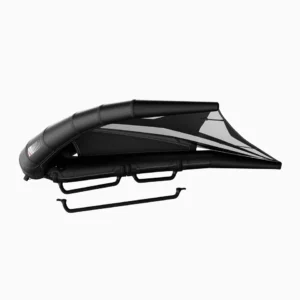
- Faster handling response
- Reduced arm fatigue
- Improved maneuverability
- Easier transitions
- Better wave-riding control
Additionally, lightweight wings feel more comfortable during long sessions and technical maneuvers.
Because handling responsiveness directly affects rider enjoyment, weight reduction remains a major engineering priority.
Why Stability Improves Confidence Across All Skill Levels
Stability remains one of the most valuable characteristics within modern wing design because predictable behavior helps riders maintain control and progress more effectively.
The A-Wing XPS Mk II provides exceptional stability across varying wind strengths and riding situations. Consequently, riders feel more confident during:
- Water starts
- Transitions
- Gusty conditions
- Carving maneuvers
- Progression sessions
Additionally, stable wings reduce mental workload because riders spend less attention managing unpredictable behavior.
Because confidence strongly influences progression speed, stability remains critical for riders of all experience levels.
Where the A-Wing XPS Mk II Performs Best
This wing performs exceptionally well across multiple wing foiling disciplines and riding environments.
Freeride Wing Foiling
Balanced power delivery and stability support enjoyable long-distance sessions.
Wave Riding
Responsive handling improves maneuverability and wave connection.
Progression Training
Predictable behavior supports skill development and rider confidence.
Advanced Performance Riding
Efficient aerodynamics and rigidity support high-level progression goals.
Why Riders Appreciate Wind Range Versatility
Wind conditions frequently change throughout sessions. Therefore, wings capable of maintaining performance across broader ranges become increasingly valuable.
The A-Wing XPS Mk II has been engineered to perform efficiently throughout varying conditions. Consequently, riders benefit from:
- Greater session flexibility
- Improved usability
- Better overall value
- More riding opportunities
Because versatility improves real-world practicality, broad wind range performance remains highly desirable.
Frequently Asked Questions About the A-Wing XPS Mk II
Is the wing suitable for beginners?
Yes. The balanced power delivery and stable handling characteristics support progression effectively.
Why is structural rigidity important?
Rigidity improves power transfer, stability, and handling precision.
Does lightweight construction improve performance?
Absolutely. Reduced weight improves maneuverability and rider comfort.
Why does aerodynamic efficiency matter?
Efficient airflow improves speed, power generation, and overall riding efficiency.
Is the wing good for wave riding?
Yes. Responsive handling and stable drift characteristics support wave-oriented riding.
Can advanced riders benefit from the design?
Very much so. The performance characteristics support technical progression and advanced maneuvers.
Key Advantages of the A-Wing XPS Mk II
Advanced Aerodynamic Efficiency
Improves power generation and riding performance armstrong wing foil.
Exceptional Structural Stability
Maintains shape and control under demanding conditions.
Lightweight Construction
Enhances responsiveness and reduces fatigue.
Smooth Power Delivery
Supports rider confidence and progression.
Improved Upwind Performance
Helps riders travel more efficiently against the wind hydrofoil front wing.
Broad Wind Range Capability
Supports versatility across changing conditions hydrofoil lift stability.
Responsive Handling
Improves maneuverability and riding enjoyment surf foilboard.
Multi-Discipline Performance
Excels across freeride, wave, progression, and advanced riding applications.
Why Modern Riders Continue Choosing Advanced Wing Designs
As wing foiling continues evolving, riders increasingly prioritize efficiency, stability, versatility, and long-term progression potential. Consequently, advanced wings capable of balancing these characteristics remain highly sought after surf foil boards.
Advanced Aerodynamic Efficiency, Structural Stability, and Real-World Riding Advantages
Understanding Modern Wing Engineering
Modern wing foiling equipment has evolved rapidly as riders continue demanding greater efficiency, improved control, wider wind range capability, and enhanced long-session comfort. Consequently, engineers now focus heavily on balancing aerodynamic performance, structural integrity, weight reduction, and rider usability simultaneously foil for sup.
Unlike early-generation wing designs that often prioritized raw power alone, modern development emphasizes efficient energy management and predictable handling. Therefore, every design element—from canopy tension and frame geometry to weight distribution and airflow management—contributes directly to overall performance armstrong midlength.
Because wind conditions constantly change during riding sessions, modern wings must remain stable and efficient across varying speeds, directions, and rider inputs. As a result, advanced engineering plays a major role in improving confidence, progression, and enjoyment.
Additionally, riders increasingly expect equipment capable of supporting multiple disciplines rather than excelling only within a narrow performance window.
Why Aerodynamic Efficiency Improves Riding Performance
Aerodynamic efficiency determines how effectively a wing converts wind energy into usable forward drive. Therefore, maximizing efficiency while minimizing drag remains one of the most important objectives within modern wing development wing foil front wing.
Efficient aerodynamic behavior provides several important benefits:
- Faster acceleration
- Better upwind capability
- Increased cruising speed
- Reduced rider fatigue armstrong wings
- Improved wind range versatility
- Greater overall control HA Front Foil for sale
Because less energy is wasted through drag and instability, riders experience smoother and more productive sessions armstrong downwind boards kite armstrong.
Additionally, efficient airflow creates more predictable power delivery, allowing riders to focus on technique and progression rather than constantly managing inconsistent wing behavior armstrong mid length board.
How Clean Airflow Improves Stability
Airflow management directly influences wing stability because turbulent airflow can create unwanted movement, flutter, and inconsistent power characteristics armstrong integrated foil masts price.
Advanced canopy shaping helps maintain cleaner airflow across the wing surface. Consequently, riders experience armstrong downwind foil board:
Better Gust Management
Stable airflow improves control during sudden wind increases armstrong foiling.
Reduced Flutter
Improved tension management minimizes unwanted canopy movement.
More Consistent Power
Clean airflow supports predictable power generation A-Wing XPS Mk II.
Enhanced Riding Comfort
Stable aerodynamic behavior reduces physical and mental workload A-Wing XPS Mk II.
Because gusty conditions are common in many riding locations armstrong downwind board, airflow stability becomes extremely valuable for both beginners and advanced riders foiling boards.
Why Structural Rigidity Matters
Structural rigidity strongly affects overall performance because the frame must maintain its intended shape while under load.
When excessive flex occurs, aerodynamic efficiency decreases and power transfer becomes less effective. However, optimized rigidity improves performance significantly armstrong fuselage.
Benefits include:
- Better power transfer
- Improved control precision
- Greater wind stability
- More predictable handling
- Enhanced efficiency armstrong foils for sale
Consequently, riders experience a more connected and responsive feeling throughout the session.
Additionally, improved rigidity helps preserve aerodynamic shape during stronger wind conditions armstrong integrated foil masts price 2025.
Because frame stability directly affects power generation armstrong foil boards, rigidity remains one of the most important characteristics within modern wing design A-Wing XPS Mk II.
How Weight Reduction Improves Maneuverability
Weight influences nearly every aspect of wing handling because lighter equipment responds more quickly to rider input.
Advanced materials and optimized construction techniques help reduce unnecessary mass while maintaining durability. Consequently, riders benefit from:
- Faster transitions A-Wing XPS Mk II
- Easier maneuver execution
- Reduced arm fatigue
- Better wave riding control
- Improved overall responsiveness
Additionally, lighter wings feel more comfortable during long sessions and technical maneuvers HA Front Foil.
Because rider comfort strongly affects progression and enjoyment A-Wing XPS Mk II, weight reduction remains a major engineering priority armstrong foil board.
Why Balanced Power Delivery Improves Progression
Power characteristics strongly influence rider confidence because overly aggressive power delivery can make learning more difficult.
Balanced power generation helps riders:
- Maintain control more easily
- Develop technique faster
- Handle gusts more comfortably
- Execute transitions more smoothly
- Progress with greater confidence
Consequently, riders spend more time improving skills and less time correcting instability.
Additionally armstrong v1 downwind board, predictable power reduces fatigue because less effort is required to manage changing wind conditions armstrong foils.
Because progression depends heavily on confidence and consistency, balanced power delivery remains highly valuable armstrong performance mast.
Real-World Performance Across Different Conditions
Modern wing systems must perform effectively across a wide range of environmental conditions A-Wing XPS Mk II.
Light Wind Conditions
Efficient aerodynamics improve power generation when wind is limited A-Wing XPS Mk II.
Moderate Conditions
Balanced handling characteristics support comfortable all-day riding A-Wing XPS Mk II.
Strong Wind Sessions
Structural stability improves control and confidence under increased loads A-Wing XPS Mk II.
Gusty Environments
Stable canopy behavior helps maintain predictable performance.
Because wind conditions rarely remain constant throughout an entire session, versatility becomes extremely important A-Wing XPS Mk II.
Be the first to review “A-Wing XPS Mk II”
Related products
Reviews
There are no reviews yet.