
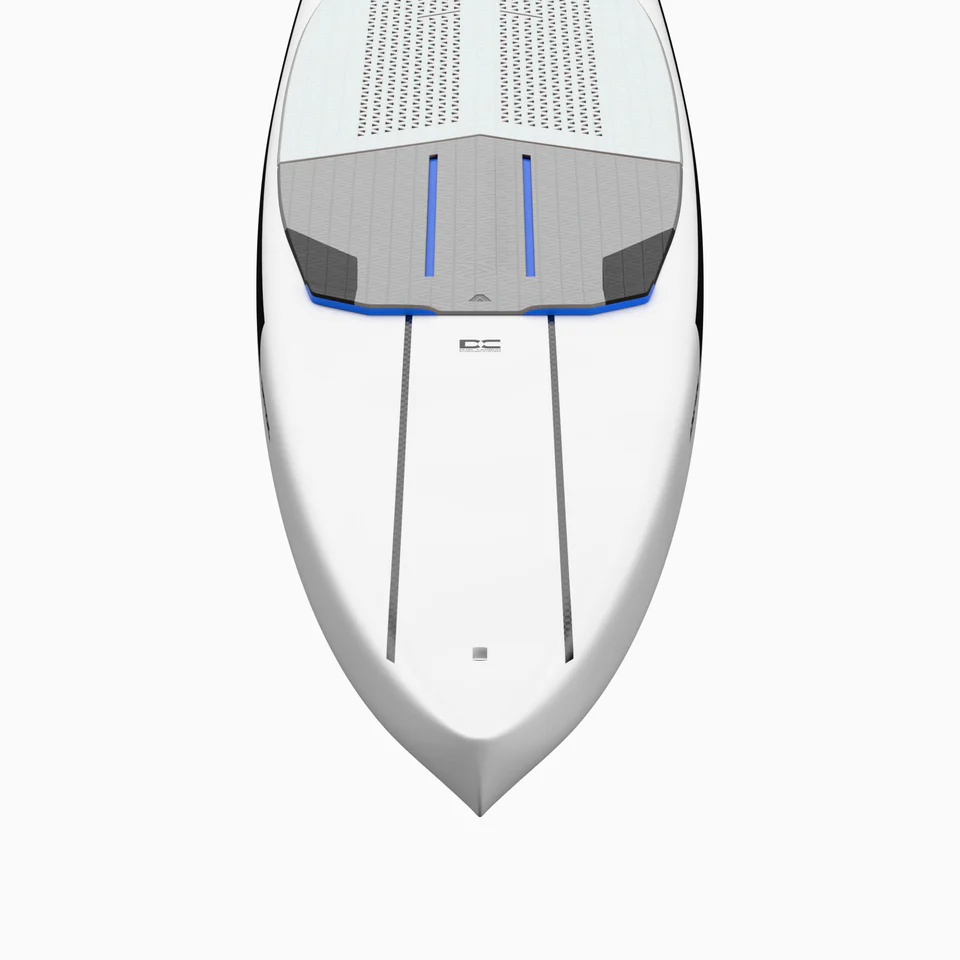
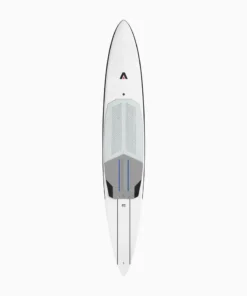
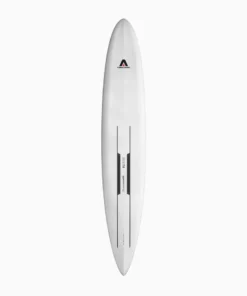
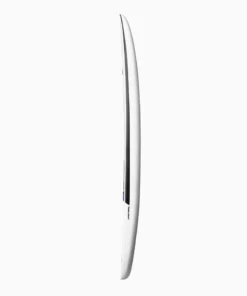
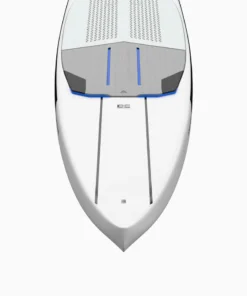
Downwind Ocean Board
Price range: €1,500.00 through €1,700.00
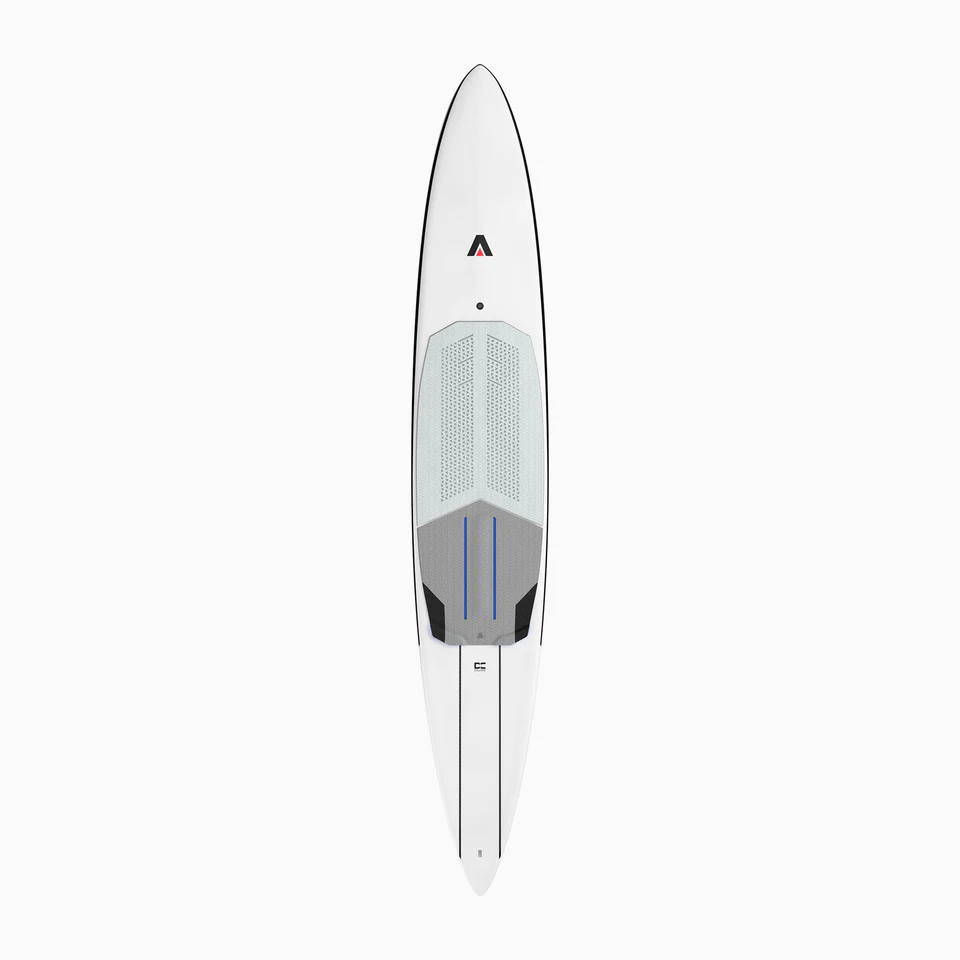
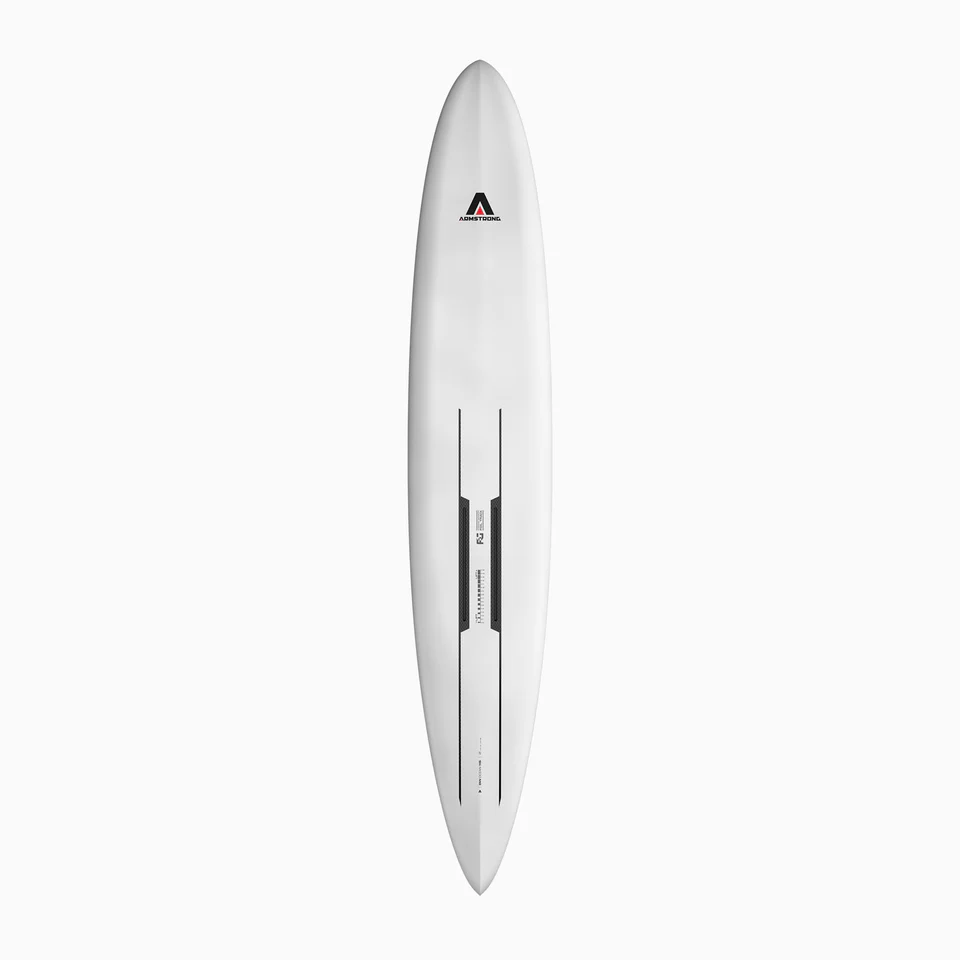
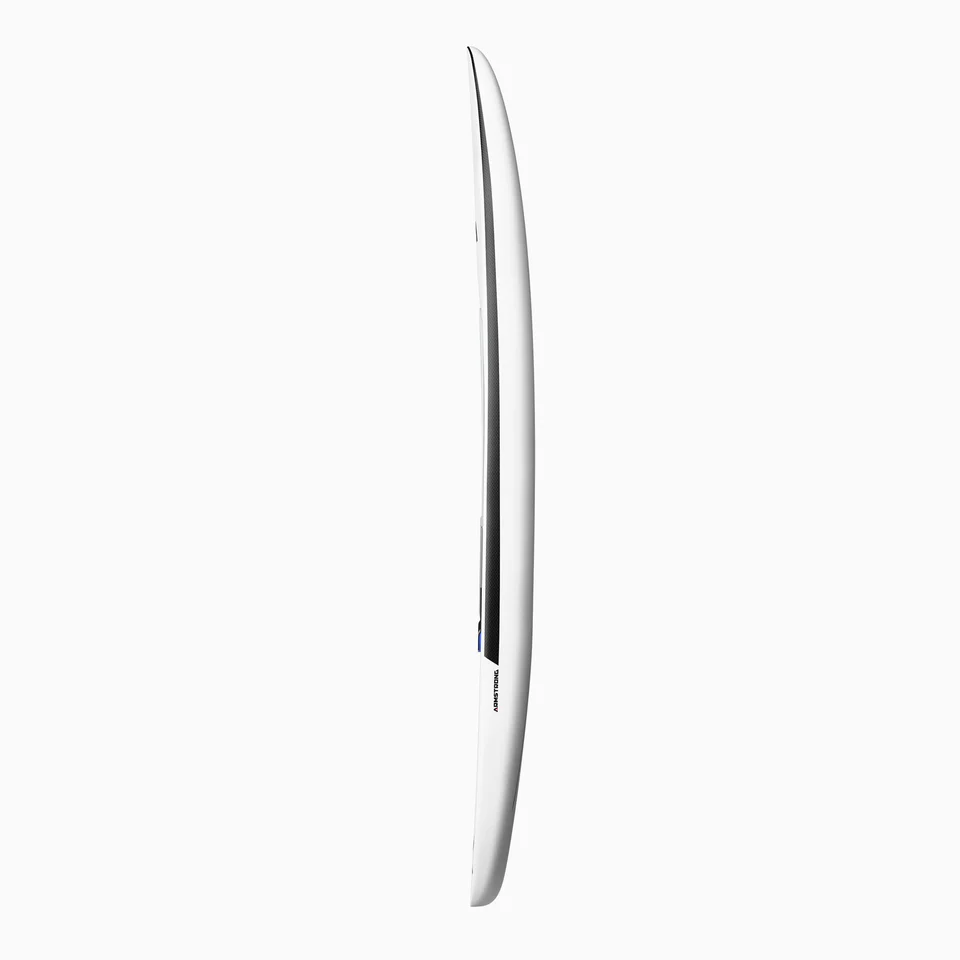
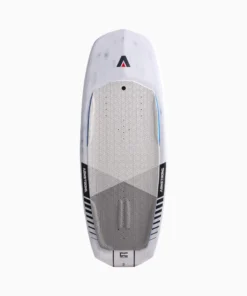
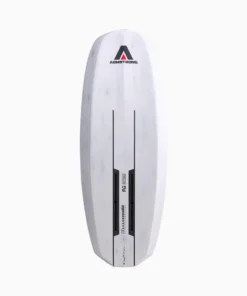
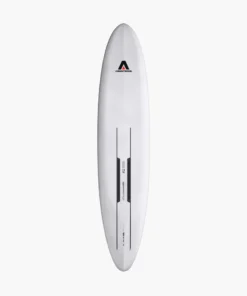
Building on the legacy of the popular Downwind Performance board, the Downwind Ocean is slightly more compact and maneuverable while also being a faster paddling shape. The core evolution lies in its hull design which is now displacement rather than planing, leading to greater paddling speed and straighter tracking without needing the length of the prior Performance board.
Inclusions
Downwind Ocean Board – Ultimate Performance for Open Ocean Glide, Efficiency, and Long-Distance Foiling Adventures
THE EVOLUTION OF OPEN-OCEAN FOILING PERFORMANCE
Introduction to Modern Downwind Riding.
The growth of downwind foiling has fundamentally changed the way riders interact with the ocean. What was once considered an elite discipline reserved for highly experienced water athletes has evolved into one of the fastest-growing segments within modern foiling. Riders now seek greater efficiency, longer glide distances, earlier takeoffs, and smoother connections between ocean energy sources. As a result, specialized equipment has become essential for maximizing performance.
A dedicated Downwind Ocean Board is engineered specifically to address the unique challenges associated with open-water riding. Unlike traditional surf shapes or general-purpose foil boards, this category focuses on maximizing paddling speed, improving acceleration, increasing stability, and enabling efficient foil engagement in moving ocean conditions.
The modern rider requires equipment capable of performing across a broad range of scenarios. Open-ocean swells, wind-generated bumps, tidal currents, and varying water textures all demand a highly refined platform. Consequently, board design has become increasingly sophisticated, integrating hydrodynamic principles, advanced construction techniques, and carefully balanced geometry.
Understanding the Purpose of a Specialized Shape
Every design element serves a specific purpose. Length, width, volume distribution, rail profiles, rocker lines, and bottom contours all influence how efficiently the board interacts with the water.
The primary objective is simple:
Efficient Forward Movement
Before a foil can generate lift, the board must accelerate effectively. Efficient displacement characteristics help riders build speed while conserving energy.
Early Lift Generation
One of the most important goals is achieving foil engagement as quickly as possible. Earlier lift often translates into less rider fatigue and improved session efficiency.
Enhanced Stability
Ocean conditions are rarely predictable. Stability helps riders remain balanced while navigating changing surface conditions.
Better Energy Transfer
Every paddle stroke should contribute effectively toward forward movement and acceleration.
These principles form the foundation of modern downwind board design.
Why Open-Ocean Conditions Require Specialized Equipment
Open-water environments differ significantly from protected waterways or traditional surf zones.
Several factors create unique challenges:
Variable Swell Direction
Ocean swells frequently approach from multiple directions simultaneously.
Surface Texture Changes
Wind and current interactions can create rapidly changing water conditions.
Long-Distance Travel
Many downwind sessions involve covering substantial distances.
Continuous Acceleration Demands
Riders often accelerate repeatedly while connecting bumps and swells.
Because of these variables, equipment optimized for controlled environments may not perform efficiently in true open-ocean conditions.
The Importance of Hydrodynamic Efficiency
Hydrodynamics influences nearly every aspect of performance.
When a board moves through water, resistance is created. Designers work to minimize unnecessary drag while preserving stability and control.
Key efficiency factors include:
Waterline Length
Longer waterlines generally support improved glide characteristics.
Reduced Drag
Minimizing resistance allows riders to maintain momentum more effectively.
Smooth Water Flow
Clean flow patterns contribute to greater efficiency and predictability.
Controlled Release
Efficient water release helps maintain acceleration during paddling phases.
Collectively, these characteristics support improved overall performance.
Volume Distribution and Balance
Volume placement plays a major role in determining how a board behaves on the water.
Proper distribution influences:
Stability at Rest
Balanced volume improves confidence before acceleration begins.
Dynamic Stability
Moving through ocean conditions requires predictable support.
Acceleration Characteristics
Volume placement affects how quickly speed can be generated.
Recovery Capability
Well-balanced designs often recover more effectively from disturbances caused by chop and swell.
A carefully engineered volume profile helps create a more versatile riding platform.
How Length Influences Performance
Length is one of the defining characteristics of modern downwind equipment.
Longer platforms typically offer several advantages:
Increased Glide
Extended waterlines often improve forward momentum.
Better Tracking
Directional stability generally improves as length increases.
Enhanced Paddling Efficiency
Longer designs frequently convert paddle input into forward movement more effectively.
Improved Takeoff Potential
Acceleration characteristics can support earlier foil engagement.
However, successful design requires balancing length with maneuverability and responsiveness.
Stability and Rider Confidence
Confidence is essential during open-ocean riding.
Stable equipment allows riders to focus on reading conditions rather than constantly correcting balance.
Several design features contribute to stability:
- Optimized width
- Strategic volume placement
- Balanced rail design
- Controlled rocker profiles
- Refined hull geometry
Together, these elements create a platform that remains manageable in challenging environments.
Advanced Construction Technologies
Modern manufacturing techniques have significantly improved performance capabilities.
Premium construction methods often emphasize:
Weight Reduction
Lower weight improves responsiveness and acceleration.
Structural Rigidity
Stiffer structures transfer rider input more effectively.
Durability
Open-ocean equipment must withstand demanding conditions.
Consistent Performance
Advanced materials help maintain structural integrity over time.
Construction quality directly influences how the board performs throughout its lifespan.
Real-World Benefits for Riders
Technical specifications provide valuable information, but practical advantages ultimately matter most.
Riders often appreciate:
Easier Takeoffs
Efficient acceleration supports earlier foil engagement.
Improved Glide
Enhanced momentum helps connect ocean energy more effectively.
Reduced Fatigue
Greater efficiency allows riders to conserve energy.
Longer Sessions
Improved performance can support extended time on the water.
Greater Versatility
Modern designs often perform well across a wide range of conditions.
These benefits collectively enhance the overall riding experience.
Who Can Benefit Most?
A specialized open-ocean platform can serve a broad range of riders.
Progressing Enthusiasts
Stable designs help accelerate learning.
Intermediate Riders
Improved efficiency supports skill development.
Experienced Athletes
Advanced riders often seek maximum glide and acceleration performance.
Adventure-Oriented Explorers
Long-distance riders benefit from efficient open-water characteristics.
The Future of Open-Ocean Foiling
As the sport continues to evolve, equipment development increasingly focuses on maximizing efficiency while maintaining accessibility. Designers continue refining hydrodynamic performance, structural construction, and rider ergonomics to help athletes extract more energy from natural ocean conditions.
ADVANCED SHAPING TECHNOLOGY, HYDRODYNAMIC EFFICIENCY, AND ON-WATER PERFORMANCE
Engineering for Maximum Glide
Achieving exceptional glide requires more than simply increasing length or reducing weight. True efficiency results from a carefully balanced combination of geometry, volume placement, structural design, and hydrodynamic optimization.
Every curve, contour, and transition influences how water interacts with the hull. Consequently, modern performance-oriented designs focus on minimizing resistance while maintaining stability and responsiveness.
When these characteristics work together effectively, riders can generate speed with less effort and maintain momentum for longer periods.
Understanding Water Flow Dynamics
As a board moves through water, it creates pressure zones around its surfaces. Managing these forces efficiently is essential for maximizing performance.
Several factors influence overall flow characteristics:
Entry Efficiency
The forward section must move through the water smoothly while minimizing unnecessary resistance.
Mid-Section Stability
The central area plays a major role in maintaining balance and directional control.
Water Release Characteristics
Efficient release helps preserve acceleration and momentum.
Surface Interaction
Every submerged area affects drag, glide, and responsiveness.
Optimizing these factors contributes significantly to overall efficiency.
Length-to-Volume Relationship
Modern downwind designs often utilize carefully calculated proportions to achieve a balance between acceleration, stability, and glide.
The relationship between overall dimensions and flotation characteristics influences:
Paddling Speed
Efficient proportions support improved forward movement.
Takeoff Characteristics
Balanced geometry can help generate speed more effectively.
Stability During Acceleration
Controlled volume placement improves rider confidence.
Long-Distance Efficiency
Proper proportions contribute to sustained performance over extended distances Downwind Ocean Board.
These relationships are among the most important considerations in contemporary shaping philosophy.
Hull Design Principles
The hull represents the primary interface between rider and water before foil engagement occurs.
Modern designs often focus on several key objectives.
Reduced Resistance
Minimizing drag improves acceleration and glide.
Directional Stability
Predictable tracking allows riders to maintain efficient paddling lines.
Efficient Water Displacement
Controlled movement through the water supports better speed generation.
Smooth Transitions
Balanced hull geometry helps maintain stability during changing conditions.
Collectively, these characteristics influence overall usability and performance.
Acceleration and Speed Generation
One of the most important phases of any session occurs before foil lift is achieved.
Acceleration depends on multiple factors:
Efficient Power Transfer
Rider effort should translate directly into forward movement.
Momentum Preservation
Maintaining speed between paddle strokes improves efficiency.
Reduced Drag Forces
Lower resistance allows acceleration to occur more quickly.
Stable Platform Characteristics
Improved balance enables more effective power application.
Together, these elements support smoother and more predictable takeoffs.
Stability in Dynamic Conditions
Open-ocean environments constantly change. Wind-generated bumps, crossing swells, currents, and surface texture variations create continuous challenges.
Effective designs prioritize stability through:
Balanced Width Distribution
Strategic width placement supports control without sacrificing efficiency.
Controlled Volume Placement
Well-positioned flotation improves confidence in changing conditions.
Predictable Response Patterns
Consistent behavior helps riders adapt more effectively Downwind Ocean Board.
Recovery Capability
Stable platforms often recover more easily from disturbances Downwind Ocean Board.
These characteristics become particularly valuable during longer sessions.
Rail Design and Water Engagement
Rail geometry influences how the board interacts with surrounding water.
Several design considerations affect performance:
Stability Characteristics
Rail profiles contribute to overall balance.
Water Release Efficiency
Clean release helps maintain speed.
Directional Control
Effective rail design supports tracking and maneuverability.
Transition Smoothness
Predictable engagement improves rider confidence.
The interaction between rails and water plays a larger role than many riders initially realize.
Structural Performance and Rigidity
Hydrodynamic efficiency alone cannot deliver optimal performance. Structural integrity remains equally important.
Modern construction methods focus on:
Stiffness
Rigid structures transfer energy more effectively.
Strength
Durability is essential for demanding ocean environments.
Weight Optimization
Reducing unnecessary mass improves responsiveness.
Long-Term Consistency
Quality construction helps preserve performance characteristics over time.
These factors contribute directly to overall ride quality.
Energy Conservation During Extended Sessions
Efficiency becomes increasingly important as session duration increases.
Benefits of energy-conscious design include:
Reduced Rider Fatigue
Less effort is required to maintain performance.
Improved Endurance
Energy can be conserved for longer rides.
Better Session Consistency
Performance remains more predictable over time.
Enhanced Enjoyment
Reduced physical strain often translates into greater overall satisfaction.
Long-distance riders particularly appreciate these advantages.
Connecting Ocean Energy
One of the most rewarding aspects of downwind riding involves linking multiple energy sources together.
Successful connections depend on:
Momentum Retention
Maintaining speed between swells is essential.
Efficient Glide
Reduced resistance helps extend ride duration.
Predictable Handling
Stable control supports confident decision-making.
Quick Acceleration
Responsive performance assists with catching new energy opportunities.
These factors work together to improve flow and continuity throughout the ride.
Maneuverability and Control
While efficiency is important, responsiveness remains equally valuable.
A well-balanced design should provide:
Smooth Direction Changes
Controlled transitions enhance rider confidence.
Precise Feedback
Clear communication between rider and equipment improves control.
Predictable Behavior
Consistency helps riders react appropriately to changing conditions.
Balanced Agility
Maneuverability should complement stability rather than compromise it.
The most successful designs achieve harmony between these qualities.
Performance Across Various Conditions
Versatility is increasingly important because riders often encounter a wide range of environments.
Effective designs perform well in:
Light Wind Conditions
Efficiency helps maximize available energy.
Moderate Ocean Swell
Balanced handling supports smooth operation.
Challenging Water States
Stability contributes to confidence and control.
Long-Distance Routes
Efficient glide improves overall practicality.
This adaptability increases the usefulness of the platform across different locations and riding styles.
Weight Optimization and Responsiveness
Weight influences nearly every aspect of performance Downwind Ocean Board.
Reducing unnecessary mass can contribute to:
Faster Acceleration
Lower weight often improves speed generation Downwind Ocean Board.
Better Handling
Responsive equipment feels more connected to rider inputs foil for sup.
Easier Transportation
Practical ownership benefits increase.
Improved Efficiency
Less energy may be required during acceleration phases.
Successful designs balance weight reduction with structural durability Downwind Ocean Board.
Modern Performance Expectations
Today’s riders expect equipment that combines efficiency, durability, responsiveness, and versatility.
Meeting these expectations requires attention to:
- Hydrodynamic optimization
- Structural engineering
- Weight management
- Stability characteristics
- Glide performance
- Long-term reliability
The continuous refinement of these elements has driven significant advancements throughout the industry.
LONG-DISTANCE ADVENTURES, RIDER EXPERIENCE, MAINTENANCE, AND LONG-TERM VALUE
Built for Exploration Beyond the Shoreline
One of the most exciting aspects of modern foiling is the ability to travel significant distances while harnessing natural ocean energy. Riders are no longer limited to short sessions close to shore. Instead, many enthusiasts seek opportunities to explore coastlines, connect multiple swells, and experience open-water environments that were previously difficult to access.
A purpose-built platform designed for these adventures must deliver far more than speed alone. Comfort, predictability, endurance, and reliability become increasingly important as the distance traveled increases.
Long-distance sessions often place unique demands on both rider and equipment. Consequently, design decisions that may seem minor during short outings can have a substantial impact over the course of several hours on the water.
Enhancing Rider Confidence
Confidence plays a critical role in progression and enjoyment. Equipment that behaves consistently allows riders to focus on reading conditions and refining technique rather than constantly compensating for instability.
Several factors contribute to a confidence-inspiring experience:
Predictable Behavior
Consistent responses help riders make better decisions in changing conditions.
Stable Platform Characteristics
Balanced support improves comfort before and during acceleration.
Smooth Transitions
Gradual and controlled reactions encourage rider trust.
Reliable Performance
Dependable operation creates peace of mind throughout every session.
As confidence grows, riders often become more willing to explore challenging environments and develop new skills.
Comfort During Extended Sessions
Comfort is frequently overlooked when discussing performance, yet it remains one of the most important factors influencing overall enjoyment.
Extended time on the water can place physical demands on armstrong mid length board:
- Legs
- Core muscles
- Shoulders
- Back
- Balance systems
Well-balanced equipment helps reduce unnecessary fatigue and allows riders to maintain better technique throughout longer sessions.
Comfort contributes directly to endurance, confidence, and overall satisfaction Downwind Ocean Board.
Adapting to Different Skill Levels
Modern equipment must accommodate a broad spectrum of riders.
New Enthusiasts
Individuals entering the discipline often prioritize stability and predictability.
Intermediate Riders
This group typically seeks a balance between forgiveness and performance hydrofoil front wing.
Advanced Athletes
Experienced riders often focus on efficiency, responsiveness, and maximizing glide.
Long-Term Enthusiasts
Those who spend substantial time on the water value versatility and consistency across a wide range of conditions.
Designs capable of supporting progression across these stages provide lasting value throughout the ownership experience.
Performance Across Multiple Disciplines
Versatility has become increasingly valuable as riders explore different styles and environments armstrong wing foil.
A capable platform may support:
Open-Ocean Riding
Long-distance runs require efficiency and stability.
Coastal Exploration
Changing conditions demand adaptability Downwind Ocean Board.
Fitness-Oriented Sessions
Some riders use foiling as a form of endurance training.
Recreational Cruising
Relaxed outings benefit from predictable handling and smooth glide.
Versatility increases the number of opportunities to enjoy the equipment throughout the year.
Reading and Using Ocean Energy
One of the defining skills in modern foiling involves understanding how to interact with natural energy sources.
Success depends on recognizing:
Swell Direction
Understanding movement patterns helps identify opportunities armstrong foils for sale.
Wind Influence
Wind can either enhance or complicate conditions.
Surface Texture
Different water textures require different approaches.
Momentum Opportunities
Efficient use of available energy helps extend rides and improve flow.
Equipment should support these skills rather than hinder them.
Building Endurance Through Efficiency
Efficiency and endurance are closely connected armstrong downwind boards.
When less energy is required to maintain speed and control, riders can often remain on the water longer.
Benefits include:
Reduced Fatigue
Energy conservation supports longer sessions foiling boards.
Greater Exploration Potential
Riders may travel farther while maintaining comfort.
Improved Consistency
Performance often remains steadier throughout the session.
Better Skill Development
Less fatigue allows greater focus on technique refinement Downwind Ocean Board.
These advantages become increasingly noticeable during extended adventures.
Ownership Experience Over Time
The true value of any performance product emerges over months and years of use rather than during a single session.
Several factors contribute to long-term satisfaction:
Reliability surf foilboard
Consistent operation builds trust armstrong v1 downwind board.
Durability
Quality construction supports extended service life.
Adaptability
Versatile equipment remains useful across changing interests and conditions.
Ease of Use
Simple preparation encourages more frequent use kite armstrong.
Together, these characteristics influence the overall ownership journey.
Care and Maintenance Best Practices
Routine maintenance helps preserve both appearance and performance wing foil front wing.
Freshwater Rinsing
Removing salt and debris after use helps protect surfaces and hardware Downwind Ocean Board.
Regular Inspections
Visual checks allow small issues to be identified early Downwind Ocean Board.
Hardware Monitoring
Fasteners should remain secure and properly maintained armstrong foil board.
Proper Storage armstrong midlength
Downwind Ocean BoardControlled environments surf foil board help armstrong downwind foil board minimize unnecessary wear armstrong performance mast.
Consistent maintenance often extends service hydrofoil lift stability armstrong foiling life while preserving performance characteristics Downwind Ocean Board.
Environmental Challenges
Marine environments present unique stresses Downwind Ocean Board.
Equipment may be exposed to:
Saltwater
Salt can accelerate corrosion if not managed properly armstrong integrated foil masts price 2025.
Ultraviolet Exposure
Prolonged sunlight may affect materials over time Downwind Ocean Board.
Temperature Variations
Changing temperatures create additional stresses Downwind Ocean Board.
Sand and Debris
Fine particles can contribute to wear during repeated use armstrong foils.
Understanding these factors helps owners protect their investment more effectively.
armstrong wingsTransportation and Practicality
Convenience influences how often equipment is used.
Practical considerations include:
Storage Requirements armstrong downwind board
Efficient storage simplifies ownership armstrong integrated foil masts price.
Vehicle Transport
Manageable dimensions improve transportation flexibility Downwind Ocean Board.
Travel Preparation
Simplified logistics encourage exploration of new locations Downwind Ocean Board.
Setup Efficiency
Less preparation means more time on the water surf foil boards.
These everyday benefits often contribute significantly to overall satisfaction Downwind Ocean Board.
Long-Term Durability Considerations
Durability results from the combination of engineering quality, material selection, manufacturing precision, and owner care.
Important factors include:
Structural Integrity
Strong construction helps withstand repeated use armstrong fuselage.
Resistance to Wear
Quality materials maintain performance characteristics longer HA Front Foil for sale.
Environmental Protection
Proper maintenance reduces the effects of harsh marine conditions Downwind Ocean Board.
Consistent Performance
Durable designs often retain their original characteristics more effectively over time Downwind Ocean Board.
Long-term durability is particularly important for riders who spend significant time on the wate Downwind Ocean Boardr.
Maximizing Return on Investment
Value should be evaluated through long-term performance rather than initial impressions alone Downwind Ocean Board.
Factors contributing to ownership value include:
- Reliability HA Front Foil
- Versatility armstrong foil boards
- Durability
- Ease of maintenance
- Performance consistency
- Adaptability
Products that excel in these areas often provide greater satisfaction throughout their lifespan.
Looking Toward the Future
The future of modern foiling continues to focus on efficiency, accessibility, and enhanced rider experiences.
Emerging developments are likely to emphasize:
Improved Hydrodynamics
Greater efficiency remains a major objective Downwind Ocean Board.
Advanced Materials
New construction technologies continue to improve performance Downwind Ocean Board.
Better Integration Downwind Ocean Board
Systems are becoming increasingly refined and streamlined Downwind Ocean Board.
Increased Accessibility
Design improvements help more riders participate and progress Downwind Ocean Board.
These trends will continue shaping the next generation of equipment.
Be the first to review “Downwind Ocean Board”
Related products
Board
Board
Board
Board
Board
Board
Board
Reviews
There are no reviews yet.