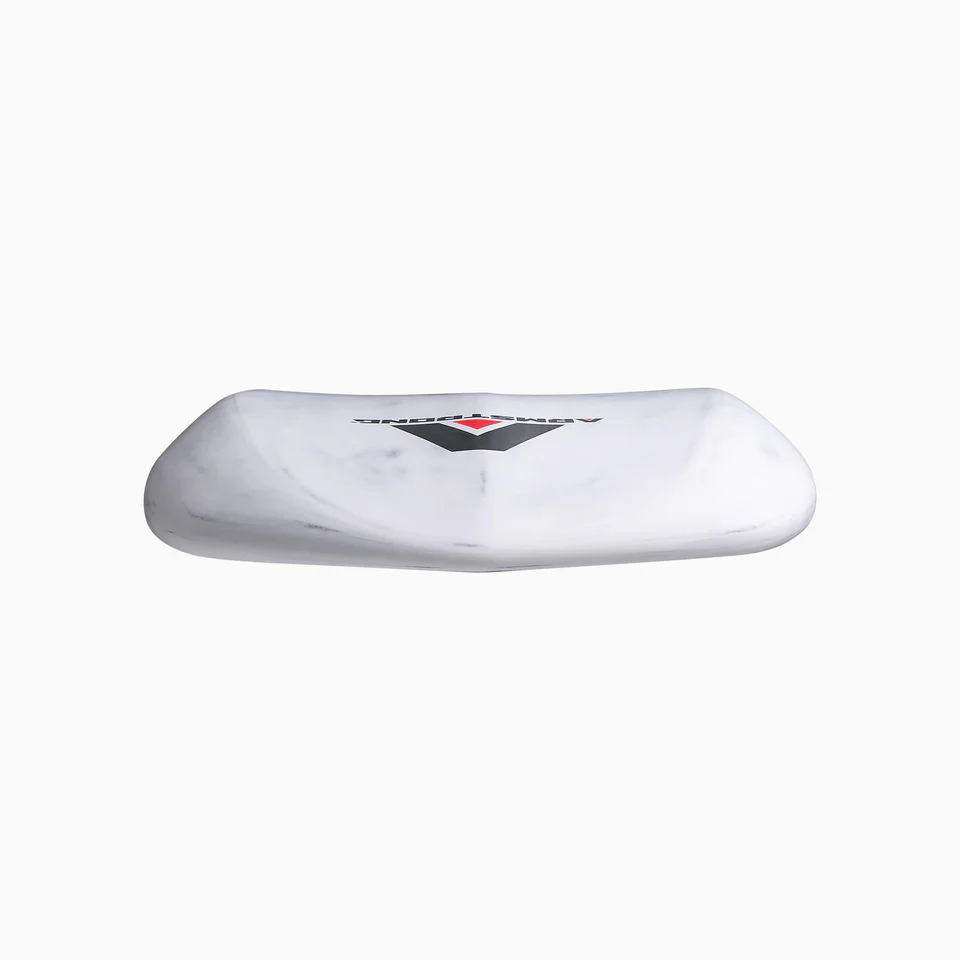
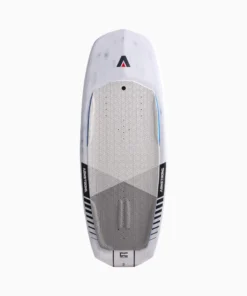
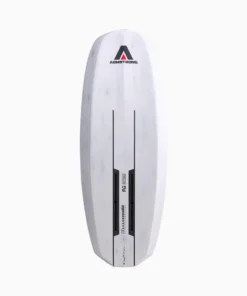
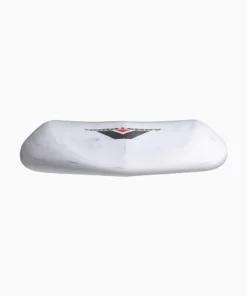
Wing FG Board
Price range: €900.00 through €1,500.00
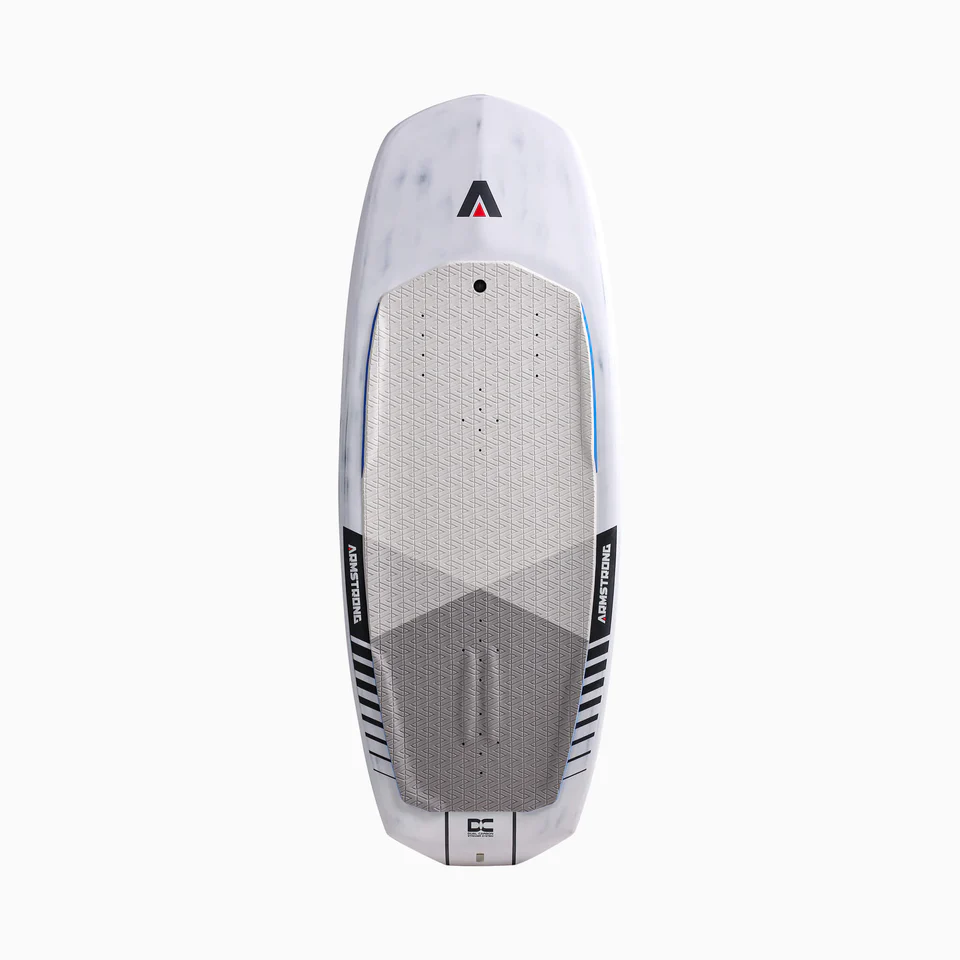
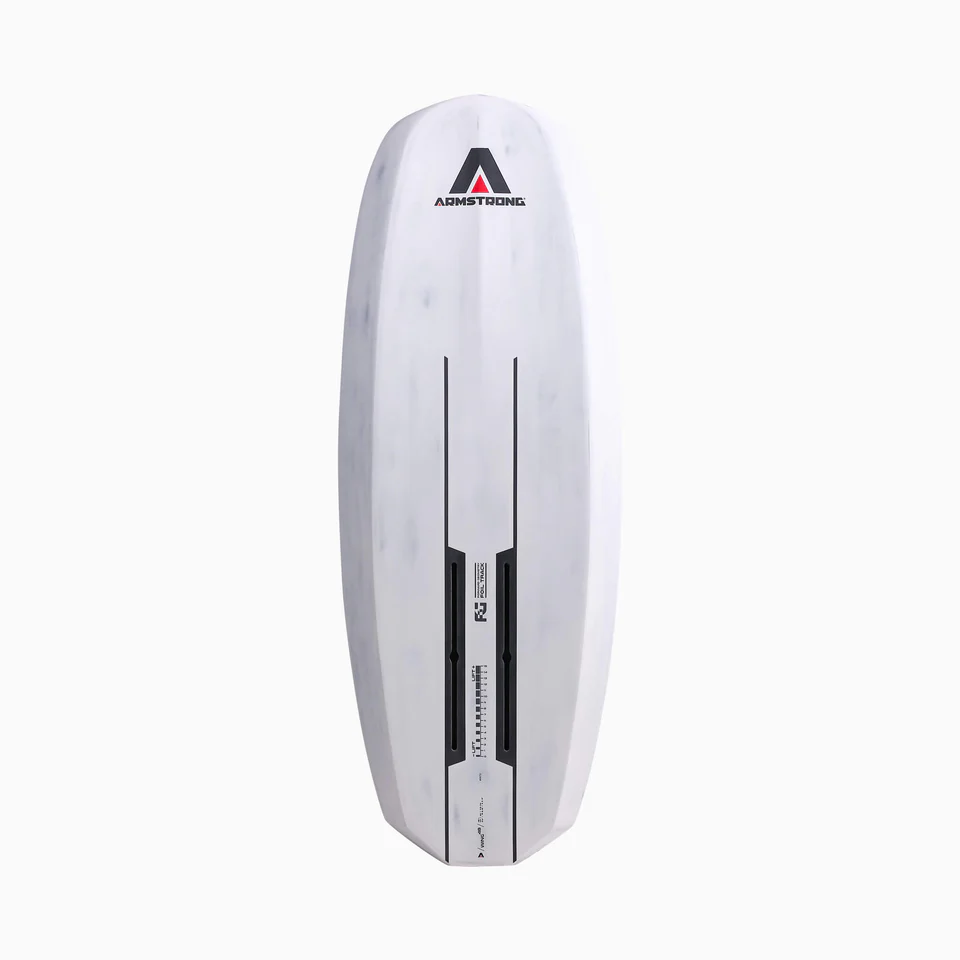
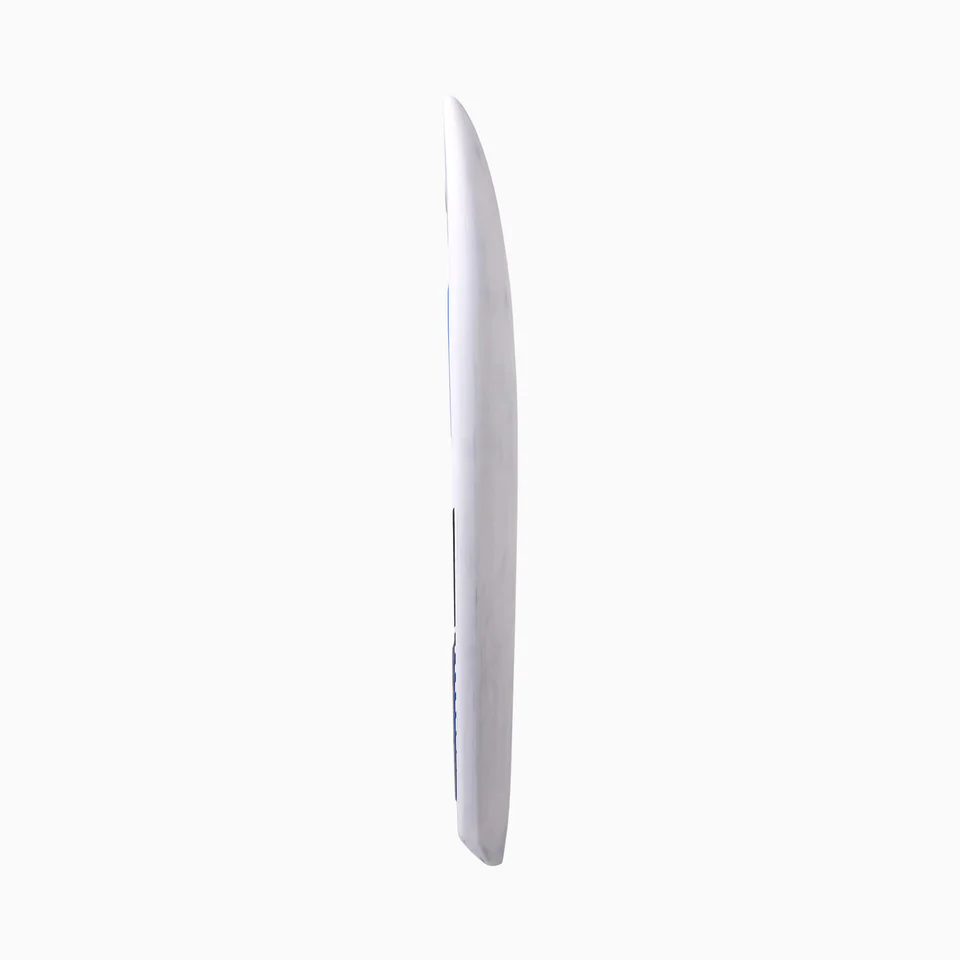
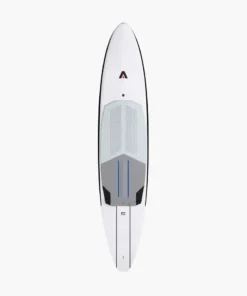
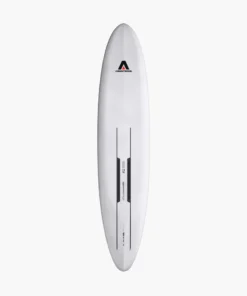
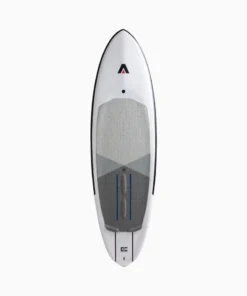
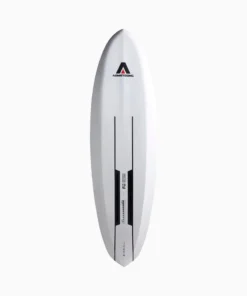
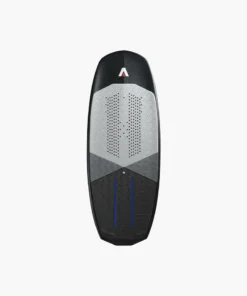
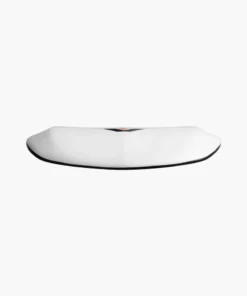
The Wing FG board is designed to enable your winging progression. Its refined shape packs more volume into smaller dimensions, allowing riders to experience the riding performance of a smaller board facilitating ease of use. A swept wedge nose, cleanly arranged tail geometry and full length chines result in a unique level of versatility and responsiveness that makes this shape excellent all around from the learning stages all the way to World Tour performances. Footstrap inserts offer the option to ride strapped with multiple placement positions.
Wing FG Board – High-Performance Foil Board for Stability, Early Lift, Responsive Control, and Advanced Wing Foiling Progression
Introduction to the Wing FG Board and Its Advanced Foiling Performance Design
Why the Wing FG Board Represents the Future of Modern Wing Foiling Performance
The Wing FG Board has been engineered for riders who demand stability, responsiveness, lightweight efficiency, and advanced control throughout every stage of wing foiling progression. While many foil boards focus only on speed or beginner accessibility, this platform combines balanced hydrodynamic engineering, refined structural construction, and versatile real-world usability into one highly capable performance system. Consequently, riders experience smoother takeoffs, better flight control, improved maneuverability, and more consistent handling across varying wind and water conditions.
Modern wing foiling continues evolving rapidly as riders push further into freeride cruising, wave riding, downwind sessions, carving progression, and advanced aerial maneuvers. Therefore, equipment design must support multiple disciplines while maintaining predictable control characteristics and rider-friendly stability.
The Wing FG Board addresses these demands through carefully optimized rocker geometry, efficient water-release shaping, lightweight composite engineering, and balanced volume distribution. As a result, riders benefit from improved acceleration, earlier lift initiation, stable touchdown recovery, and more efficient foil engagement.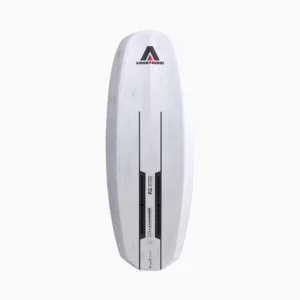
Additionally, the board has been designed to support both developing riders and advanced foilers. Beginners appreciate the forgiving balance characteristics and stable platform behavior, while experienced riders enjoy the responsive turning dynamics and efficient energy transfer required for technical progression.
What Makes the Wing FG Board Different From Standard Foil Boards
Several important engineering features distinguish this platform from conventional foil boards currently available within the market.
First, the board utilizes advanced bottom shaping designed to improve hydrodynamic efficiency during takeoff phases. Because efficient water release directly affects acceleration and foil engagement, riders can initiate flight more smoothly and with reduced effort.
Second, volume placement has been carefully distributed to improve balance and low-speed stability. Consequently, riders maintain greater confidence during starts, transitions, and touchdowns.
Third, lightweight composite construction enhances responsiveness while minimizing unnecessary rider fatigue. Since reduced board weight improves maneuverability and pumping efficiency, overall riding performance becomes more dynamic and controlled.
Furthermore, the deck layout has been optimized for stable foot positioning and improved rider leverage. Therefore, directional control feels more natural during carving maneuvers and dynamic riding sequences hydrofoil front wing.
How Hydrodynamic Engineering Improves Foiling Efficiency
Hydrodynamic efficiency remains one of the most important aspects of foil board design because water interaction influences every stage of takeoff, acceleration, and touchdown behavior wing foiling board.
The Wing FG Board incorporates refined bottom contours engineered to improve water flow management while minimizing drag during acceleration. Consequently, riders achieve cleaner release characteristics and smoother transitions onto foil.
Additionally, the board shape supports efficient planing behavior at lower speeds. Because early acceleration reduces rider workload, takeoffs become easier even under lighter wind conditions.
Another important advantage involves touchdown recovery performance. Touchdowns frequently occur during transitions, turns, or gust fluctuations. Fortunately, the board’s hydrodynamic profile helps maintain control during surface contact. Therefore, riders recover more smoothly without excessive drag or instability.
Why Stability Matters for Wing Foiling Progression
Stability plays a major role in rider confidence, especially during the early stages of wing foiling development. Unstable platforms often increase fatigue while slowing progression significantly.
The Wing FG Board has been engineered specifically to provide controlled balance characteristics across varying riding conditions. Consequently, riders feel more comfortable practicing starts, transitions, carving maneuvers, and foil control techniques.
Stable handling provides several important advantages:
- Easier water starts
- Better balance recovery
- Reduced rider fatigue
- Improved low-speed control
- Smoother touchdown recovery
- Faster skill progression
Additionally, predictable board response allows riders to focus more effectively on wing handling and foil management rather than constantly correcting instability.
Why Lightweight Construction Improves Riding Performance
Board weight strongly influences acceleration, pumping efficiency, maneuverability, and overall riding responsiveness.
This platform incorporates advanced composite construction designed to reduce unnecessary mass while preserving structural rigidity and long-term durability. Consequently, riders benefit from:
- Faster acceleration response
- Easier foil initiation
- Improved pumping efficiency
- Sharper carving control
- Reduced physical fatigue
- Better aerial maneuver responsiveness
Lightweight construction also improves transportation convenience and handling during setup procedures.
Because wing foiling frequently involves carrying equipment across beaches, launch zones, and uneven terrain, portability becomes increasingly valuable during long-term ownership.
Where the Wing FG Board Performs Best
This board performs exceptionally well across multiple wing foiling disciplines and riding environments.
Freeride Wing Foiling
Freeride riders appreciate the balanced combination of stability, glide efficiency, and predictable handling characteristics. Consequently, long cruising sessions become smoother and more enjoyable armstrong wings.
Wave Riding
Wave-oriented riders benefit from responsive turning behavior and improved touchdown recovery. Since carving transitions remain controlled, riders can connect wave sections more effectively armstrong fuselage.
Light-Wind Foiling
Efficient planing characteristics improve acceleration under lower wind conditions. Therefore, riders can achieve takeoff with reduced physical effort. surf foil board
Progression and Skill Development
The stable platform design supports faster learning and greater rider confidence during progression phases.
Why Riders Appreciate Efficient Takeoff Characteristics
Takeoff efficiency remains one of the most important characteristics within wing foiling because difficult takeoffs increase fatigue and reduce session enjoyment.
The Wing FG Board has been optimized specifically to improve acceleration and foil engagement during the launch phase. Consequently, riders achieve smoother lift initiation while using less physical energy.
Efficient takeoff characteristics create several important advantages:
- Earlier lift generation
- Reduced pumping effort
- Better low-wind usability
- Improved beginner accessibility
- More efficient session starts
As a result, riders spend more time flying and less time struggling through inefficient acceleration phases wing surf board.
Advanced Construction Materials and Long-Term Durability
Durability remains essential because foil boards experience repeated stress from impacts, water pressure, transport conditions, and continuous rider loading.
This platform incorporates reinforced composite construction designed to maintain structural integrity during demanding long-term use. Consequently, riders receive dependable performance across repeated sessions and varying environments armstrong mid length board.
Additionally, advanced material layering improves stiffness while minimizing excess weight. Since rigidity directly influences responsiveness and foil control precision, the board maintains efficient energy transfer during aggressive riding maneuvers armstrong foiling.
How the Board Improves Rider Confidence
Confidence strongly affects progression and overall enjoyment within wing foiling. Because this board combines predictable stability with responsive handling characteristics, riders often feel more comfortable exploring new techniques and conditions.
Beginners appreciate the forgiving platform behavior, while experienced riders value the dynamic responsiveness and efficient control characteristics HA Front Foil for sale.
Consequently, the board supports long-term progression across multiple riding levels and disciplines armstrong foil boards.
Important Questions Buyers Frequently Ask
Is the board suitable for beginners?
Yes. The stable balance characteristics support progression effectively while remaining responsive enough for advanced riding.
Does lightweight construction improve foil performance?
Absolutely. Reduced weight improves acceleration, pumping efficiency armstrong wing foil, and maneuver responsiveness armstrong midlength.
Is the board effective in lighter wind conditions?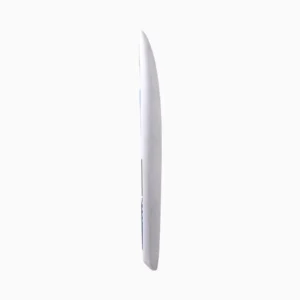
Yes. Efficient hydrodynamic shaping improves low-speed acceleration and takeoff performance kite armstrong.
Why does volume distribution matter?
Balanced volume improves stability, flotation, and touchdown recovery behavior.
Can advanced riders still benefit from this platform?
Very much so. The responsive handling characteristics support technical carving and progression-focused riding.
Is the board versatile across different foiling styles?
Yes. The platform adapts effectively to freeride, wave, progression, and advanced wing foiling applications.
Advantages of the Wing FG Board
Stable Platform Design
Balanced stability improves rider confidence and progression.
Efficient Takeoff Performance
Hydrodynamic shaping supports earlier and smoother foil initiation.
Lightweight Composite Construction
Reduced weight improves responsiveness and maneuverability.
Responsive Carving Characteristics
Controlled turning behavior enhances dynamic riding performance.
Improved Touchdown Recovery
Balanced bottom shaping improves surface-contact control.
Long-Term Structural Durability
Advanced materials support dependable extended performance wing foil front wing.
Multi-Discipline Versatility
The board performs effectively across multiple foiling environments.
Premium Hydrodynamic Engineering
Optimized shaping improves acceleration, glide efficiency foiling boards, and handling precision.
Why Serious Riders Continue Choosing Advanced Foil Boards
As wing foiling technology continues evolving, riders increasingly prioritize equipment capable of balancing stability, efficiency, responsiveness, and long-term durability. Consequently surf foilboard, advanced foil board platforms continue gaining popularity among riders seeking dependable progression and premium on-water performance foil for sup.
Advanced Hydrodynamic Efficiency, Stable Foil Control, and Real-World Riding Advantages
Understanding Modern Foil Board Engineering
Modern foil board development has evolved dramatically as riders continue demanding lighter construction, greater efficiency, improved stability, and more responsive maneuverability across increasingly diverse riding disciplines. Consequently, advanced board engineering now focuses heavily on balancing acceleration armstrong integrated foil masts price 2025, hydrodynamic glide, structural rigidity, and rider control simultaneously armstrong performance mast.
Unlike older board concepts that prioritized only flotation or straight-line speed, modern shaping philosophy aims to create highly versatile platforms capable of adapting to freeride cruising, wave riding, carving progression, light-wind performance, and technical maneuver execution carbon foil board. Therefore, every design element now contributes directly to overall riding efficiency and progression potential armstrong downwind boards.
Water interaction remains critically important because the board constantly transitions between surface contact and full foiling flight. As a result, acceleration behavior, touchdown recovery armstrong foils for sale, water release efficiency hydrofoil lift stability, and directional stability all depend heavily on hydrodynamic shaping precision foil board for wing foiling.
Additionally, riders increasingly require equipment capable of supporting long-term progression rather than limiting development after beginner stages. armstrong downwind foil board
Why Efficient Water Release Matters
Efficient water release significantly influences acceleration and takeoff performance because excessive drag slows the transition from displacement mode into foiling flight armstrong v1 downwind board.
When water separates cleanly from the bottom surface, riders achieve smoother acceleration with reduced physical effort. Consequently, takeoffs become more efficient while rider fatigue decreases substantially armstrong foil board.
This advantage creates several major real-world benefits:
- Faster acceleration response
- Earlier lift initiation Wing FG Board
- Reduced pumping effort
- Better low-wind usability armstrong downwind board
- Improved glide continuity
- Smoother takeoff transitions
Additionally, clean water release improves overall board responsiveness by minimizing unnecessary resistance during dynamic maneuvers.
Because foil initiation often represents one of the most physically demanding phases of riding, hydrodynamic efficiency plays a major role in overall session enjoyment armstrong foils.
How Volume Distribution Improves Stability
Volume placement strongly influences flotation balance, rider confidence, and low-speed control behavior.
Poorly distributed volume can create instability during starts, transitions, and touchdowns. Consequently, riders may struggle with balance recovery and efficient weight transfer Wing FG Board.
Balanced volume engineering improves several important riding characteristics:
Easier Session Starts
Stable flotation helps riders maintain control while preparing for acceleration.
Better Touchdown Recovery
Controlled buoyancy improves stability during temporary surface contact.
Improved Rider Confidence
Predictable balance characteristics reduce unnecessary instability.
Enhanced Progression Potential armstrong integrated foil masts price
Stable handling allows riders to focus more effectively on technique refinement surf foil boards.
Because wing foiling often requires frequent stance adjustments and dynamic body positioning, balanced flotation characteristics become extremely valuable HA Front Foil.
Why Lightweight Construction Improves Riding Dynamics
Weight reduction dramatically affects foil board performance because lighter platforms respond more efficiently to rider input while reducing physical fatigue.
Advanced composite engineering minimizes unnecessary mass while preserving structural rigidity and durability. Consequently, riders benefit from sharper handling response and improved maneuver precision.
Reduced weight improves several major performance areas:
- Faster acceleration
- Easier pumping efficiency
- More responsive turning
- Better aerial maneuver control
- Reduced rider fatigue
- Improved transport convenience
Additionally, lighter construction improves foil sensitivity because rider input transfers more directly into board movement.
As a result, technical riding feels more controlled and connected Wing FG Board.
Why Structural Rigidity Matters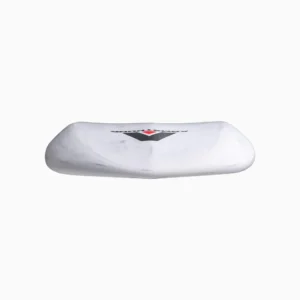
Structural rigidity directly affects energy transfer and handling precision because excessive flex absorbs rider input inefficiently.
However, proper flex balance remains equally important. Overly rigid construction may reduce comfort during rough-water riding Wing FG Board, while excessive softness can destabilize foil control Wing FG Board.
This platform incorporates optimized structural tuning designed to preserve responsiveness while maintaining controlled ride comfort.
Consequently, riders experience:
- Better foil feedback
- Improved energy transfer
- Sharper carving precision
- Reduced vibration fatigue
- More predictable handling behavior wing foil board.
Be the first to review “Wing FG Board”
Related products
Board
Board
Board
Board
Board
Board
Board
Reviews
There are no reviews yet.