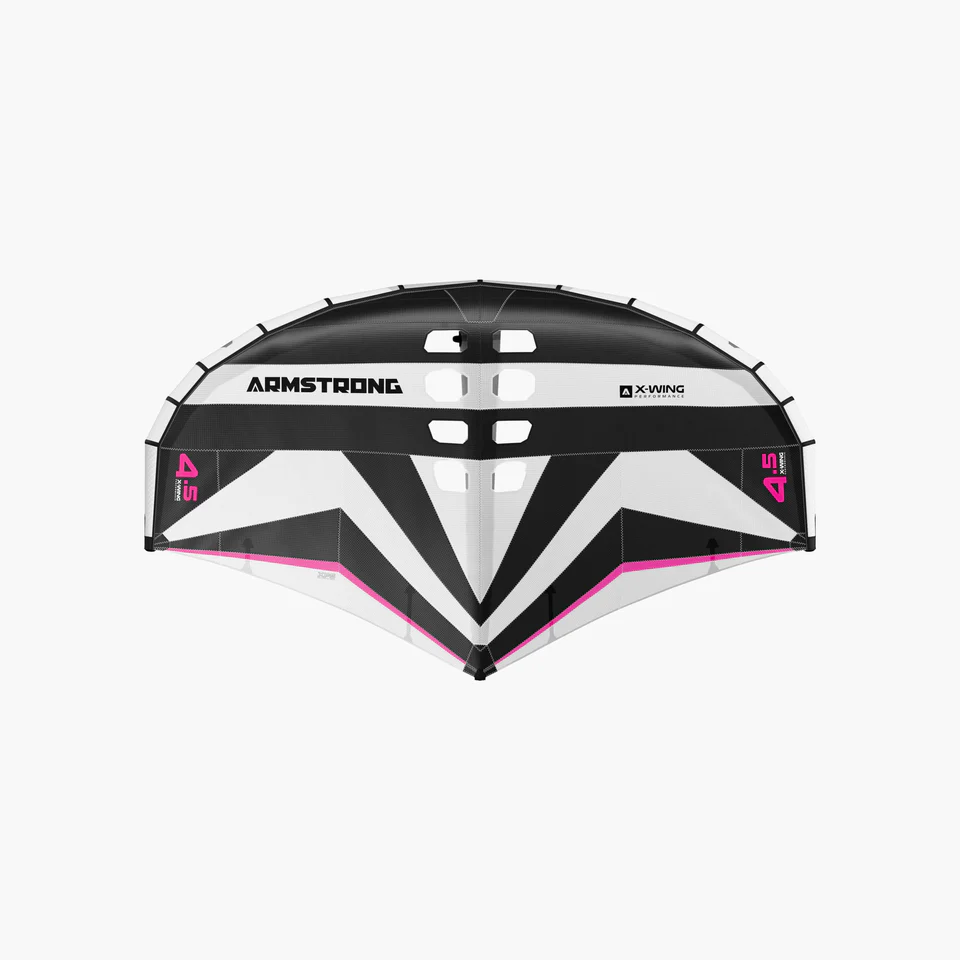
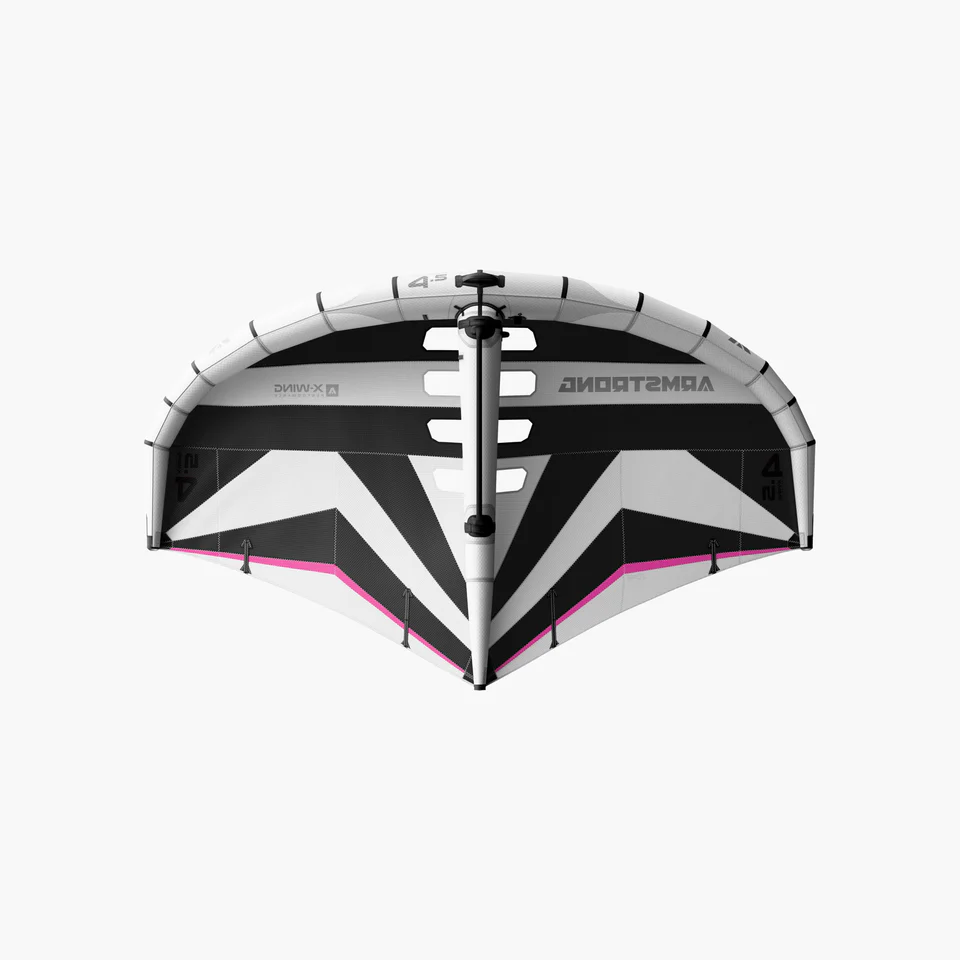
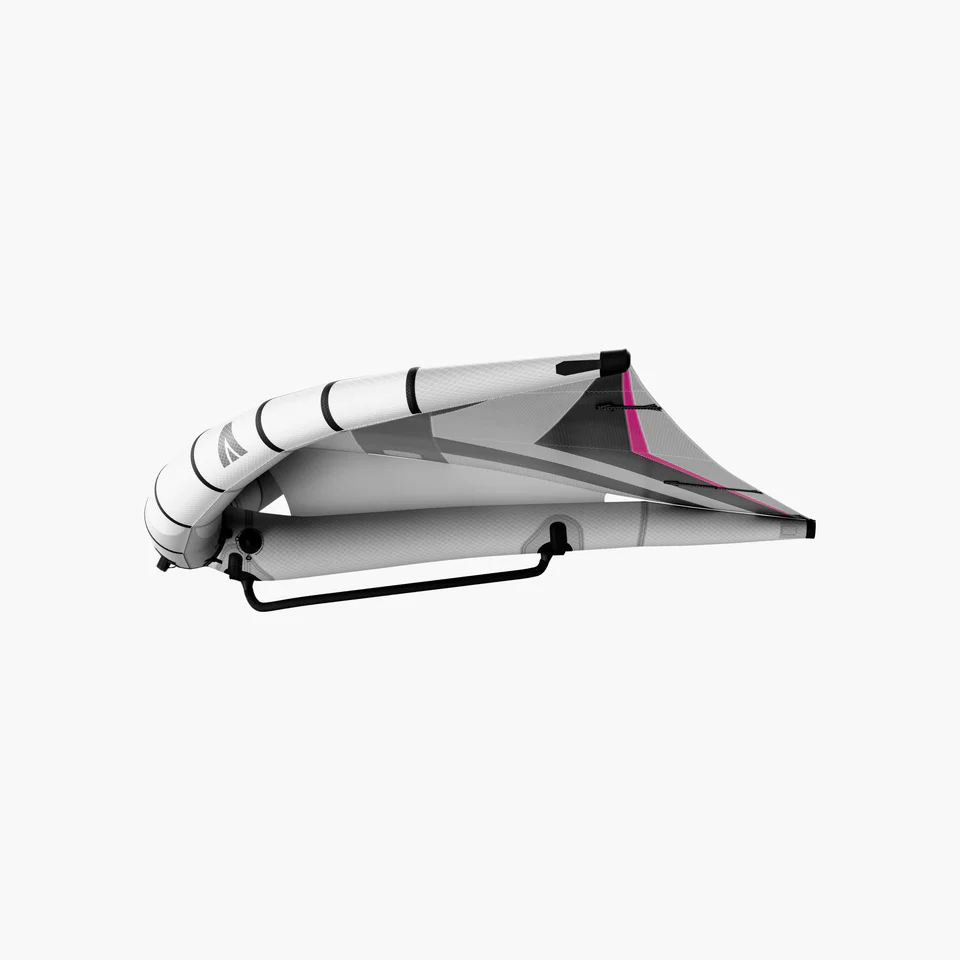
X-Wing Performance Wing

€800.00
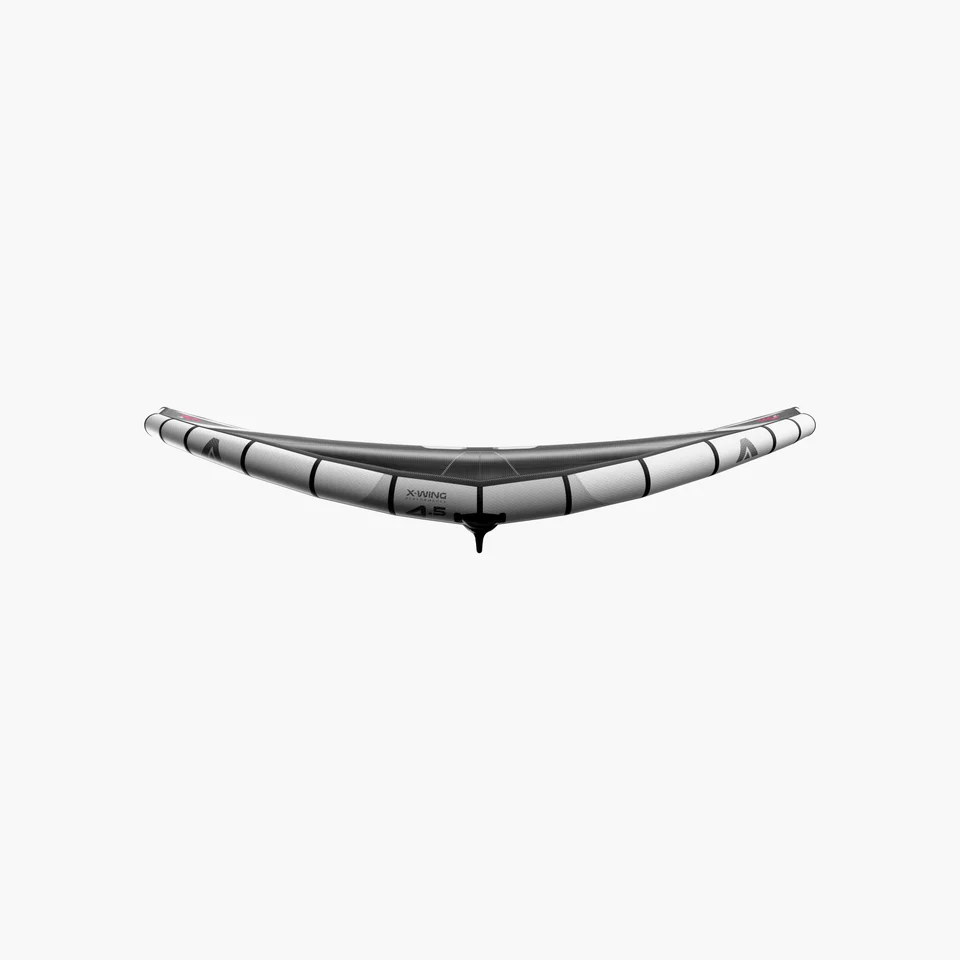
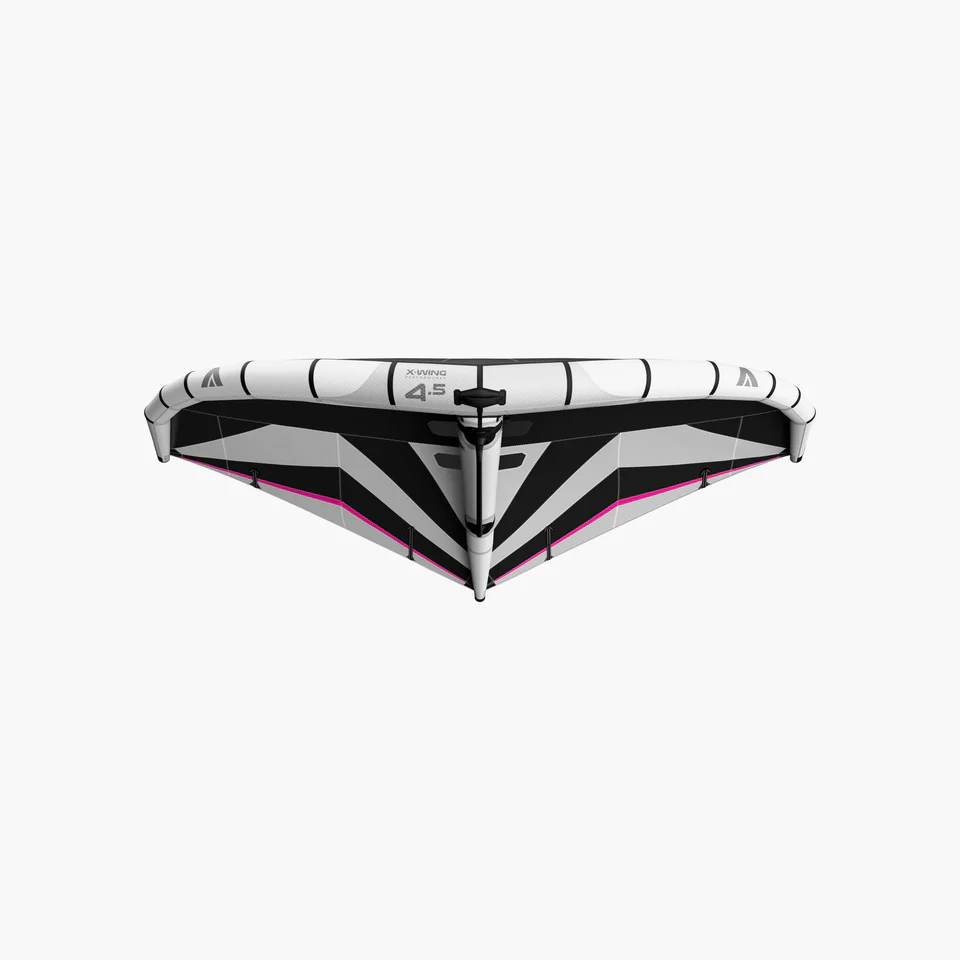
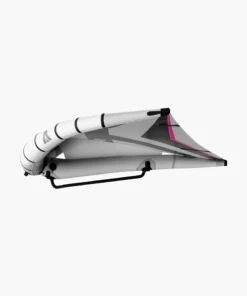
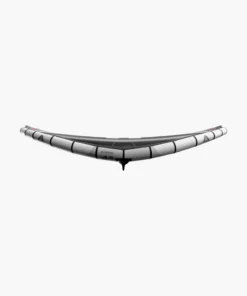
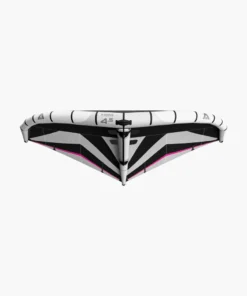
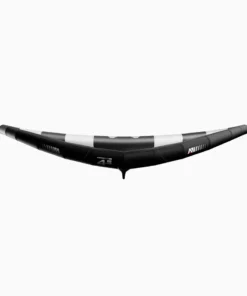
The X-Wing Performance defines the next generation in Armstrong’s wing lineup. Designed for riders chasing greater efficiency, speed, and composed handling, it delivers reactive power and intuitive control in a lightweight, high-performance package.
A refined high aspect geometry, advanced airframe materials, and dual-tech canopy layout work together to reduce distortion, maintain tension, and deliver smooth, efficient power across the wind range. Constructed using ULTRA-PE X-PLY Advanced Laminate Composite material, the X-Wing feels light, responsive, and balanced whether fully powered or flagged in surf.
X-Wing Performance Wing – Advanced Hydrofoil Precision for Speed, Lift, Stability, and Responsive Carving
High-Performance Hydrofoil Engineering Built for Modern Riders
The X-Wing Performance Wing is engineered for riders who demand a refined balance of glide efficiency, responsive carving control, low-speed lift generation, and high-speed hydrodynamic stability. Designed using advanced foil shaping principles and lightweight composite construction technology, this performance-oriented hydrofoil wing delivers a smooth and predictable riding experience across multiple water disciplines including wing foiling, surf foiling, freeride carving, downwind riding, and open-water performance applications.
Modern hydrofoil riders increasingly require equipment capable of adapting to changing water conditions while still maintaining precise responsiveness and efficient energy transfer. Consequently, the X-Wing Performance Wing has been developed with a carefully optimized foil profile that enhances acceleration control, minimizes unnecessary drag, and supports stable lift distribution throughout a broad operational speed range.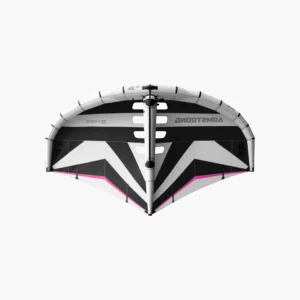
Unlike conventional foil wings that often prioritize either low-speed lift or top-end speed exclusively, the X-Wing Performance Wing integrates both characteristics into a highly balanced hydrodynamic platform. This combination allows riders to achieve earlier takeoff efficiency without sacrificing high-speed stability or maneuverability during aggressive carving transitions.
One of the defining characteristics of the X-Wing Performance Wing is its refined hydrodynamic shaping. The wing profile has been engineered to improve water flow attachment during acceleration while reducing turbulence generation across the foil surface. As a result, riders experience smoother glide characteristics, cleaner directional transitions, and improved tracking performance under variable riding conditions.
The leading edge geometry plays a significant role in overall foil behavior. The X-Wing Performance Wing incorporates a carefully contoured leading edge profile that helps stabilize water flow while improving lift consistency during takeoff and pumping sequences. This refined shaping minimizes abrupt lift spikes and contributes to more predictable handling throughout the riding session.
In addition, the wing’s optimized aspect ratio supports efficient glide retention while preserving agile turning characteristics. Riders benefit from improved forward momentum conservation during pumping cycles and carving maneuvers, which ultimately enhances riding efficiency and reduces unnecessary energy loss.
Lightweight construction remains another essential component of modern hydrofoil engineering. The X-Wing Performance Wing utilizes advanced composite reinforcement technology designed to maximize structural rigidity while minimizing overall system weight. Reduced swing weight improves maneuverability, pumping cadence, and rider responsiveness, especially during technical directional transitions.
Carbon composite reinforcement throughout the structure helps maintain foil geometry under aggressive riding loads. Structural rigidity is particularly important because excessive flex can negatively affect lift distribution, directional control, and hydrodynamic consistency. By preserving precise foil geometry, the X-Wing Performance Wing delivers cleaner rider feedback and more controlled carving performance even during high-speed riding conditions armstrong wings.
Another major advantage of this performance wing lies in its balanced lift characteristics. Many hydrofoil wings generate aggressive lift that can feel unstable or overly sensitive at speed. However, the X-Wing Performance Wing has been engineered to provide progressive lift engagement that feels controlled and confidence-inspiring across different riding environments.
This balanced lift profile improves rider stability while supporting smoother water release dynamics. Consequently, riders experience enhanced confidence during acceleration, turning transitions, and pumping recovery phases. These characteristics make the wing highly versatile for both technical riders and progressing enthusiasts seeking reliable handling behavior.
Pumping efficiency is also a major focus within the X-Wing Performance Wing design philosophy. Efficient pumping depends heavily on glide retention, low drag characteristics, and responsive rider feedback. The wing’s lightweight structure combined with its optimized foil profile helps riders sustain momentum between pumping cycles while reducing fatigue during extended sessions.
For downwind riders and long-distance foilers, glide efficiency becomes especially important. The X-Wing Performance Wing performs exceptionally well in maintaining stable forward momentum across open-water conditions. Efficient water release and controlled lift behavior allow riders to connect swell sections more effectively while preserving smoother directional control.
Carving responsiveness is equally important for riders seeking a dynamic surf-inspired foiling experience. The wing’s rail-to-rail transition behavior has been refined to provide progressive turning engagement rather than overly abrupt directional response. This smoother carving feel improves rider confidence while maintaining stable edge control during aggressive maneuvers.
The X-Wing Performance Wing also demonstrates excellent adaptability across varying water conditions including flat water, moderate chop, rolling swell, and surf environments. This versatility makes it suitable for riders who want a dependable all-around foil platform capable of handling multiple riding disciplines without compromising technical performance characteristics.
Durability remains a critical consideration in premium hydrofoil equipment. The X-Wing Performance Wing incorporates reinforced structural zones designed to resist long-term fatigue, torsional stress, and environmental exposure. Protective finishing layers help improve resistance against saltwater corrosion, surface wear, and UV exposure, supporting long-term structural reliability.
Maintenance requirements are straightforward, making the wing practical for regular use. Riders are encouraged to rinse the foil thoroughly with freshwater after saltwater sessions, inspect mounting hardware regularly, and store the wing in a protective cover when not in use. These simple maintenance practices help preserve performance consistency and extend the overall lifespan of the hydrofoil system.
Safety awareness also plays an important role in hydrofoil riding. Riders should always use appropriate protective equipment, maintain safe spacing from other water users, and inspect all mounting interfaces before entering the water. Proper progression techniques and controlled skill development contribute significantly to rider safety and long-term performance improvement surf foilboard.
Ultimately, the X-Wing Performance Wing represents a sophisticated balance of hydrodynamic efficiency, lightweight construction, carving responsiveness, glide retention, and progressive lift stability. By combining modern composite engineering with refined foil shaping principles, this hydrofoil wing delivers a highly capable performance platform for riders seeking precision control, versatile adaptability, and advanced on-water efficiency.
Advanced Hydrodynamic Performance, Glide Efficiency, and Real-World Riding Control
The X-Wing Performance Wing is designed around a highly refined hydrodynamic platform that prioritizes efficiency, lift consistency, directional stability, and responsive rider feedback across a wide range of foiling disciplines. Every contour, curvature, and structural transition within the wing has been engineered to optimize water flow management while minimizing turbulence, drag accumulation, and unstable lift behavior during dynamic riding situations.
Hydrodynamic efficiency remains one of the most critical performance factors in modern hydrofoil design because it directly affects acceleration, glide retention, pumping capability, carving responsiveness, and overall rider control. Consequently, the X-Wing Performance Wing incorporates a carefully optimized foil section geometry that improves laminar water flow attachment across the surface of the wing.
This refined flow management allows the wing to maintain smoother hydrodynamic behavior throughout acceleration phases, carving transitions, and higher-speed riding scenarios. Riders benefit from a cleaner glide sensation that feels stable, controlled, and highly predictable even under changing water conditions armstrong wing foil.
One of the most important engineering elements within the X-Wing Performance Wing is the leading-edge profile. The leading edge has been carefully shaped to stabilize incoming water flow while reducing turbulence separation during rapid speed changes and directional transitions. As a result, riders experience smoother lift engagement and more controlled acceleration characteristics.
Instead of generating aggressive or unpredictable vertical lift, the X-Wing Performance Wing produces progressive lift distribution that feels balanced throughout the ride. This controlled lift behavior significantly improves rider confidence because the foil remains stable during pumping cycles, wave transitions, and carving maneuvers.
The wing’s optimized foil camber also contributes heavily to overall hydrodynamic stability. Camber tuning affects how efficiently the wing generates lift relative to drag production. The X-Wing Performance Wing utilizes a carefully balanced camber profile that maximizes usable lift while maintaining efficient glide performance at both lower and higher speeds.
Low-speed efficiency is especially valuable for riders seeking earlier takeoff capability and smoother pumping recovery. The X-Wing Performance Wing generates stable lift at relatively moderate speeds, helping riders rise onto foil more easily without excessive rider effort. This characteristic improves usability for progressing riders while still preserving the technical responsiveness demanded by advanced foilers.
As rider speed increases, many hydrofoil wings begin to experience instability caused by excessive lift spikes or turbulent water separation. However, the X-Wing Performance Wing maintains highly controlled behavior during acceleration due to its refined pressure distribution and drag-reduction shaping.
This stability allows riders to maintain cleaner riding lines at elevated speeds while preserving carving precision and directional predictability. Consequently, the wing performs exceptionally well for freeride foiling, wing foiling, open-water cruising, and high-speed carving applications.
Another defining advantage of the X-Wing Performance Wing is its exceptional glide efficiency. Glide retention is essential because it directly influences pumping performance, wave connection capability, energy conservation, and long-distance riding efficiency. The wing’s optimized aspect ratio and reduced drag characteristics allow riders to sustain forward momentum with less physical input.
During pumping sequences, the wing responds quickly to rider input while preserving smooth lift continuity between cycles. Efficient energy transfer helps minimize rider fatigue and improves overall pumping cadence. Riders can therefore maintain flight longer while using less effort during repeated acceleration and recovery movements.
The lightweight composite construction of the X-Wing Performance Wing further enhances responsiveness and pumping efficiency. Reduced rotational mass improves maneuverability and directional precision, especially during rapid rail-to-rail carving transitions. This lightweight feel contributes to a more agile riding sensation while preserving structural rigidity under load.
Structural stiffness plays a major role in hydrodynamic consistency because excessive flex can distort foil geometry during aggressive riding. The X-Wing Performance Wing incorporates advanced carbon composite reinforcement that minimizes torsional deformation while maintaining precise foil alignment throughout the ride armstrong foils for salefoiling boards.
By preserving accurate hydrodynamic shaping under pressure, the wing delivers cleaner rider feedback and more predictable handling behavior. Riders experience smoother carving engagement, improved directional tracking, and enhanced edge control even during technical maneuvers armstrong mid length board.
Carving dynamics are another major strength of the X-Wing Performance Wing. The wing has been tuned to provide progressive turning response rather than abrupt directional snap. This smoother transition behavior improves rider confidence while still allowing highly responsive maneuvering capability armstrong fuselage.
During surf-style riding, the wing maintains excellent flow stability through carving arcs and directional transitions. Riders can link turns fluidly while preserving glide momentum and controlled rail engagement. This carving predictability becomes especially valuable when navigating changing wave energy and variable water textures hydrofoil front wing.
The X-Wing Performance Wing also demonstrates impressive adaptability across different foiling disciplines. Wing foilers benefit from efficient upwind tracking, stable acceleration control, and balanced power management during gust variations. Surf foilers gain smooth wave connection capability, responsive carving precision foil for sup, and efficient glide through flatter wave sections.
Downwind riders appreciate the wing’s momentum retention, low-drag efficiency, and stable tracking characteristics during long-distance swell riding. Pump foilers benefit from the wing’s lightweight responsiveness and efficient energy recovery between pumping cycles.
Another important characteristic is the wing’s ability to maintain control across varying water conditions. Many hydrofoil systems perform well only in ideal environments. However, the X-Wing Performance Wing remains composed in moderate chop, rolling swell, open-water texture, and mixed surface conditions.
This versatility makes it highly attractive for riders seeking a single performance wing capable of handling multiple environments without sacrificing technical refinement or rider confidence.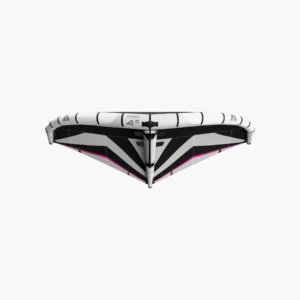
The durability profile of the X-Wing Performance Wing also reflects modern premium engineering standards. Reinforced structural zones improve resistance against fatigue stress, impact exposure, and long-term flex degradation. Protective surface finishing helps preserve structural integrity while resisting saltwater corrosion and environmental wear surf foil boards.
Maintenance remains straightforward and practical. Riders should rinse the wing thoroughly after saltwater exposure, inspect mounting interfaces regularly, and use protective covers during transportation and storage. Proper maintenance practices help preserve both cosmetic appearance and long-term hydrodynamic performance armstrong v1 downwind board.
Ultimately, the X-Wing Performance Wing combines advanced hydrodynamic engineering, lightweight structural efficiency, responsive carving precision, controlled lift generation, and real-world versatility into a highly capable hydrofoil platform. Its balance of glide stability, pumping efficiency, maneuverability, and high-speed control positions it as a premium option for riders seeking modern foiling performance across multiple riding disciplines armstrong downwind boards.
Carbon Composite Construction, Structural Rigidity, and Long-Term Durability Engineering
Modern hydrofoil development depends heavily on advanced composite engineering because structural integrity directly affects responsiveness, glide stability, carving precision, rider feedback, and overall efficiency on the water. High-performance foiling equipment must remain lightweight while still resisting torsional stress, repetitive loading cycles, impact exposure, and environmental wear caused by saltwater conditions and transportation handling armstrong integrated foil masts price.
To achieve this balance, the structure utilizes carefully engineered composite reinforcement strategies that maximize stiffness without introducing excessive weight HA Front Foil for sale. Lightweight construction significantly improves maneuverability, pumping cadence, and directional responsiveness, especially during technical riding situations where rapid transitions and immediate rider feedback become essential foiling board.
One of the primary advantages of carbon composite technology lies in its exceptional stiffness-to-weight ratio. Traditional heavier materials may provide strength, yet they often compromise responsiveness and increase rotational mass during carving or pumping movements. Carbon reinforcement allows the structure to remain highly rigid while preserving agile handling characteristics and smoother hydrodynamic responsiveness hydrofoil lift stability.
Rigidity is especially important in hydrofoil systems because excessive flex can negatively affect water flow behavior and lift consistency. When structural deformation occurs under load, foil geometry changes slightly during riding armstrong foils for sale. Even minimal distortion can influence tracking stability, carving precision, and acceleration efficiency armstrong downwind foil board. Therefore, maintaining accurate structural alignment becomes critical for predictable hydrodynamic performance wing foil front wing.
Advanced carbon layering techniques help preserve the intended foil profile even during aggressive riding maneuvers. Riders benefit from cleaner directional transitions, improved edge control, and more stable handling at elevated speeds because the structure resists unnecessary flex under pressure armstrong midlength armstrong foiling.
Another important engineering consideration involves torsional rigidity. Hydrofoil systems experience complex multi-directional loading forces during carving, pumping, and wave transitions. Torsional reinforcement helps stabilize the structure during these dynamic movements, ensuring that rider input transfers efficiently into controlled foil response rather than energy loss through structural twisting.
This improved energy transfer enhances pumping efficiency while reducing rider fatigue over extended sessions. Riders experience more immediate acceleration feedback and smoother lift continuity during repeated pumping cycles. Consequently, long-distance riding becomes more efficient and physically manageable armstrong downwind board.
The lightweight structural profile also contributes significantly to maneuverability. Reduced swing weight improves agility during rail-to-rail transitions and directional corrections. Riders can therefore execute tighter carving arcs while maintaining smoother balance recovery throughout technical maneuvers.
Composite construction additionally improves vibration dampening characteristics. Water surface texture constantly changes due to chop, swell movement, and wind interference. Excessive vibration transfer can negatively affect rider comfort and control precision. Carefully engineered composite layering helps absorb micro-vibrations while preserving overall rigidity, creating a smoother and more stable riding sensation armstrong performance mast.
Durability remains another major priority in modern foil engineering because hydrofoil systems are regularly exposed to demanding environmental conditions. Saltwater exposure, UV radiation, repeated stress loading, and transportation impacts can gradually degrade poorly engineered structures over time. Reinforced structural zones help improve resistance against long-term fatigue while preserving hydrodynamic consistency throughout the lifespan of the equipment armstrong integrated foil masts price 2025.
Impact resistance is especially important for riders operating in shallow water, surf zones, rocky launch areas, or crowded riding environments. Reinforced composite architecture improves resistance against minor surface impacts and reduces the likelihood of structural weakness caused by repeated stress accumulation.
Protective exterior finishing layers further enhance long-term reliability by helping resist cosmetic wear, saltwater corrosion, and environmental exposure. Smooth protective coatings also contribute to cleaner water release characteristics, which helps preserve hydrodynamic efficiency during riding armstrong foil boards.
Mounting interface reinforcement is another essential engineering feature. Foil systems experience concentrated pressure around mounting hardware during acceleration, pumping, and carving loads. Reinforced mounting zones improve structural stability while reducing localized stress concentration around critical attachment points.
Secure hardware engagement contributes directly to rider confidence because stable mounting interfaces minimize unwanted movement between components. Consistent structural alignment also improves directional predictability and overall handling precision during technical riding situations.
Heat management characteristics additionally influence long-term material reliability. Composite systems exposed to prolonged sunlight and elevated storage temperatures can experience gradual material stress if improperly engineered. Advanced resin systems and composite curing processes help improve thermal stability while preserving structural integrity under changing environmental conditions.
Weight optimization also affects transportation practicality and rider convenience. Lightweight composite systems are easier to carry, install, transport, and maneuver during setup or breakdown procedures. Reduced handling fatigue becomes especially valuable for riders traveling frequently between riding locations or carrying larger multi-component foil systems.
Maintenance requirements remain relatively simple despite the advanced construction technology. Routine freshwater rinsing after saltwater sessions helps remove mineral buildup and preserve hardware integrity. Riders should periodically inspect all surfaces for chips, cracks, or deep abrasions that could compromise long-term structural reliability kite armstrong.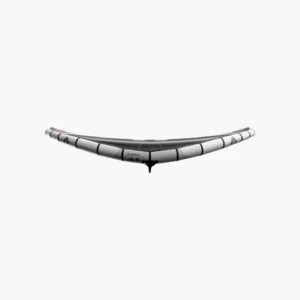
Protective covers are strongly recommended during storage and transportation because even lightweight impacts can damage exposed foil edges or composite surfaces. Proper storage away from direct sunlight and excessive heat also helps preserve both structural and cosmetic condition over time.
Long-term reliability ultimately depends on the combination of engineering quality, rider care, and environmental exposure management. Composite reinforcement technology significantly extends structural lifespan while maintaining performance consistency across repeated riding sessions.
The engineering philosophy behind modern composite construction focuses not only on maximizing strength but also on preserving responsive rider feel and hydrodynamic precision. Efficient stiffness distribution allows the structure to remain stable under aggressive loads while still delivering smooth and controlled handling characteristics across varying water conditions.
This combination of lightweight responsiveness, torsional rigidity, impact resistance, vibration control, and long-term durability creates a highly refined riding platform suited for both technical progression and demanding real-world performance environments.
As hydrofoil technology continues evolving, advanced composite engineering remains one of the defining factors separating premium performance equipment from entry-level alternatives. Riders increasingly demand structures capable of delivering consistent hydrodynamic behavior, efficient energy transfer, and dependable durability across multiple disciplines and environmental conditions.
By integrating lightweight composite architecture with reinforced structural engineering principles, the design achieves a refined balance between agility, stability, efficiency armstrong foils, and long-term reliability suitable for modern high-performance foiling applications.
Be the first to review “X-Wing Performance Wing”
Related products
€900.00
Wing
Price range: €600.00 through €825.00
Reviews
There are no reviews yet.