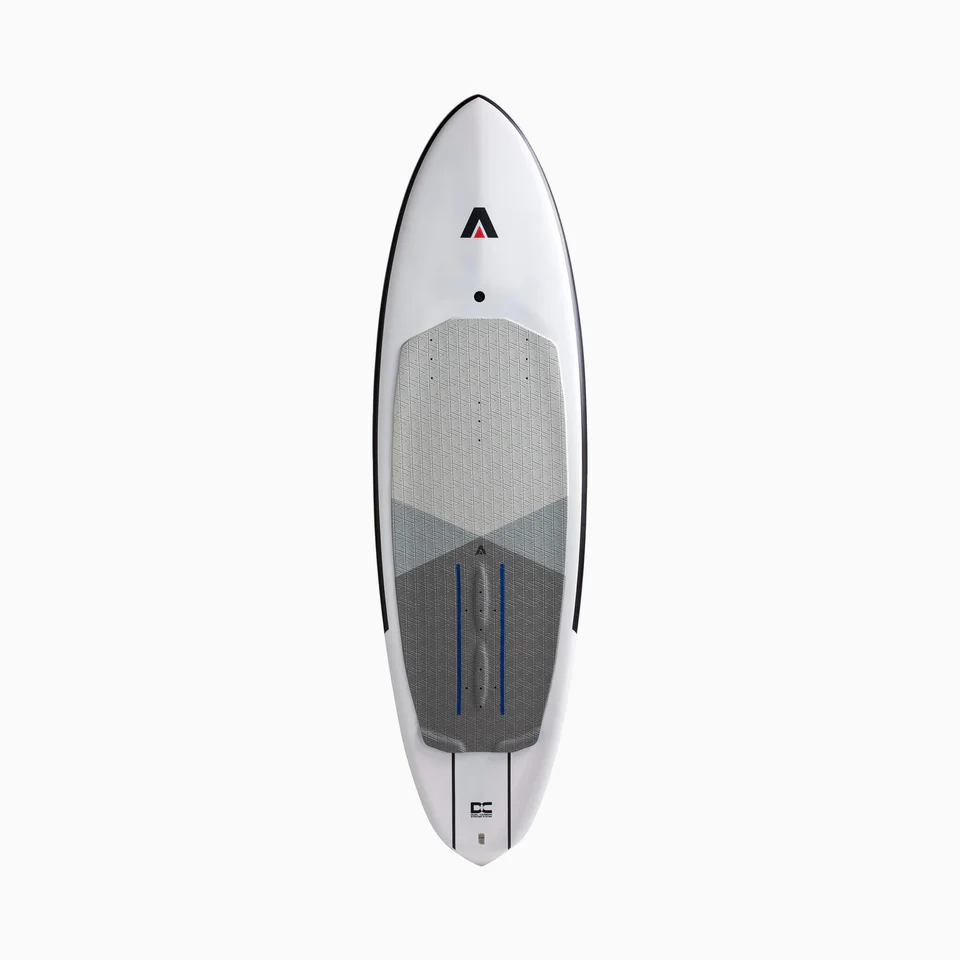
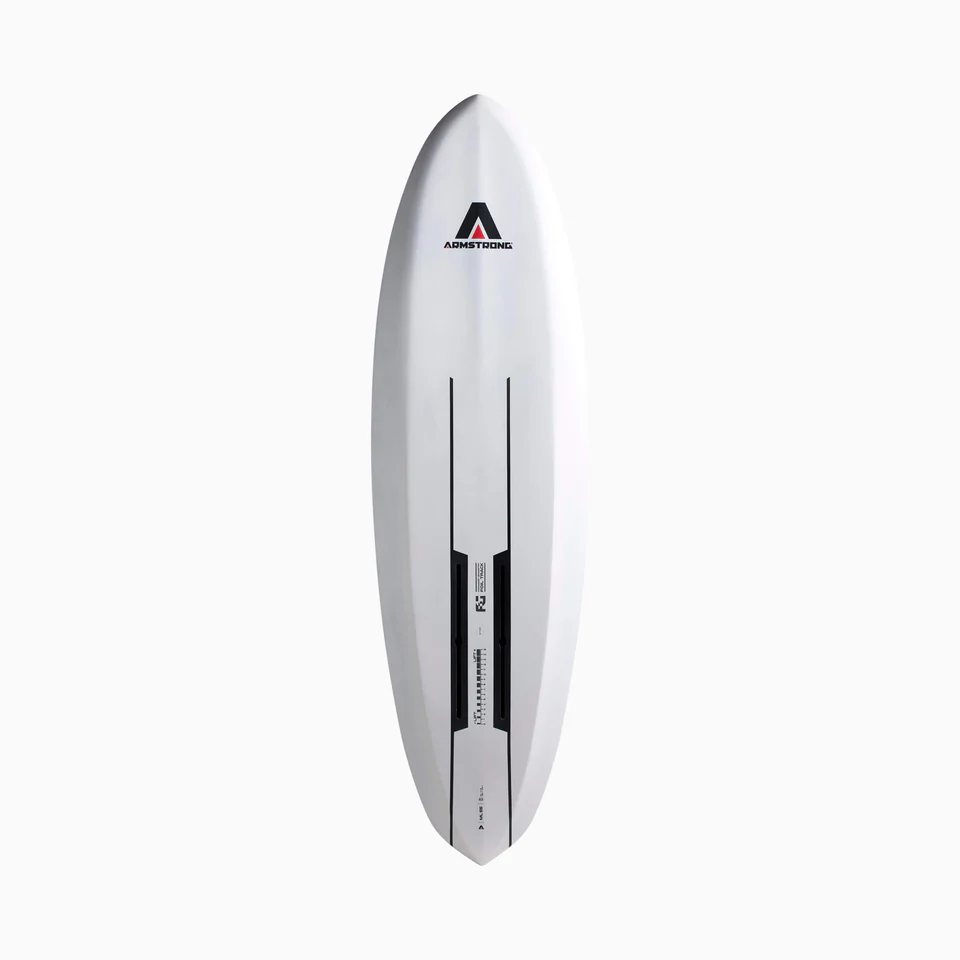
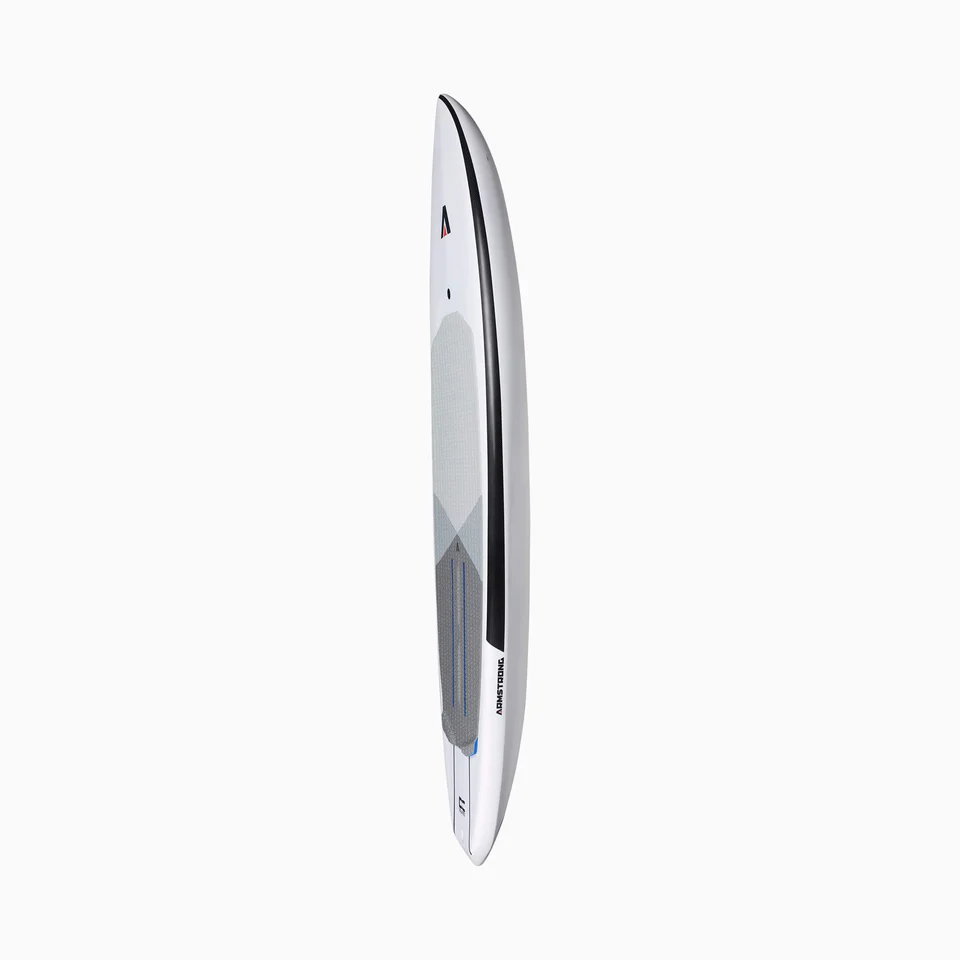
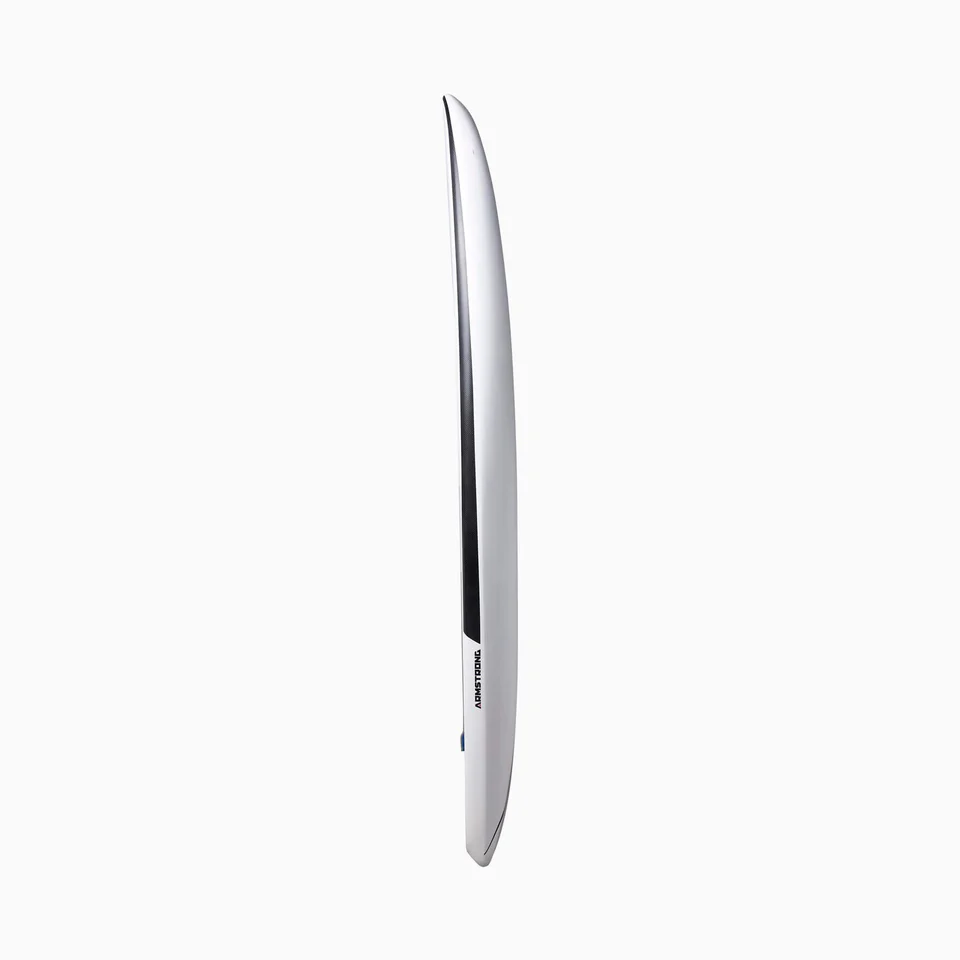
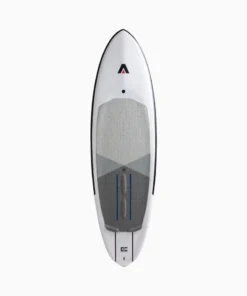
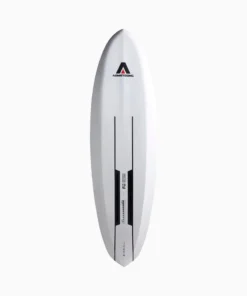
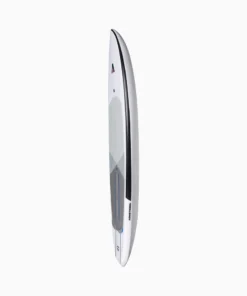
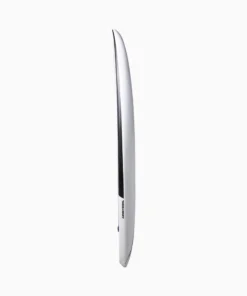
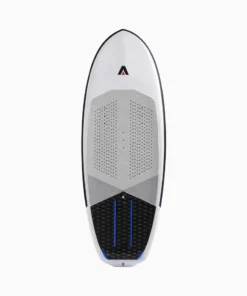
Midlength FG Board
Price range: €950.00 through €1,400.00
The Midlength FG is more than a board, it’s an approach. It’s the unconventional idea that in a world hellbent on giving you so many choices that you can hardly pick what to out for a session, doing more with less is an inspiring alternative. Slotting in between our Prone, Wing and Downwind boards, the Midlength is a session saver on small or light days with excellent glide for paddle power and an easy release to get up onto foil. A goldilocks ratio of dimensions and volume makes for optimum glide, stability and maneuverability so you don’t have to be a pro to up your time on foil. Define how you ride, the choice is yours.
Specifications.
Width:17
Thickness: 3 1/2
Volume: 38L
Weight: 3.2-3.8kg
Midlength FG Board – Lightweight Foil Board Performance, Balanced Stability & Advanced Composite Construction
Advanced Midlength Board Design for Modern Foiling Performance
The Midlength FG Board is engineered to deliver a refined balance of glide efficiency, maneuverability, paddling stability, and lightweight composite durability for riders seeking versatile performance across modern foiling environments. As foil sports continue evolving, riders increasingly demand boards capable of combining responsive handling with efficient water release, smooth takeoff characteristics, and controlled stability during both low-speed and high-speed riding situations. Consequently, midlength foil boards have emerged as one of the most versatile categories for riders seeking progression, efficiency, and adaptability across multiple water conditions.
Modern foil board development focuses heavily on hydrodynamic efficiency and rider control. Board length, rail shaping, rocker profile, volume distribution, and bottom contour design all influence acceleration, lift generation, turning responsiveness, and overall riding comfort. The Midlength FG Board integrates these design principles into a balanced platform intended to improve usability for intermediate and advanced riders while maintaining accessible handling characteristics for progression-focused users.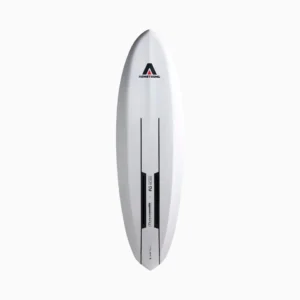
One of the defining advantages of a midlength platform is glide efficiency. Longer outlines generally generate smoother water displacement and improved paddling momentum compared to shorter compact boards. As a result, riders can build speed more efficiently during takeoff sequences. This additional glide support becomes especially valuable in lighter wind conditions or smaller swell environments where maintaining momentum directly affects foil engagement and lift generation.
Balanced volume distribution also contributes significantly to rider stability. Properly positioned volume helps maintain predictable flotation while improving balance during standing starts and transitional maneuvers. Boards with uneven volume placement may feel unstable or excessively reactive during low-speed movement. However, carefully engineered volume flow supports smoother weight transfer and improved rider confidence during both acceleration and recovery phases.
The fiberglass composite construction further enhances the board’s overall performance characteristics. Fiberglass laminate systems are widely appreciated because they provide an effective balance between structural rigidity, controlled flex behavior, and manageable overall weight. Lightweight construction improves responsiveness during carving maneuvers while also reducing fatigue during transportation and extended riding sessions.
Structural rigidity is particularly important in foil board engineering because excessive flex may reduce energy transfer efficiency between the rider, board, and foil system. A stable fiberglass layup helps maintain predictable handling characteristics while improving responsiveness during turns, pump sequences, and directional transitions. Consequently, riders experience more direct feedback and smoother control across varying riding conditions foilboard surfboard.
Bottom contour shaping also plays a central role in water release behavior and takeoff efficiency. Modern midlength foil boards frequently incorporate carefully designed hull transitions intended to improve early lift characteristics and minimize drag during acceleration. Efficient water release allows riders to transition onto foil more smoothly while reducing resistance during critical takeoff phases.
Rocker profile tuning further influences overall versatility. Moderate rocker geometry generally improves balance between paddling glide and maneuverability. Excessive rocker may reduce acceleration efficiency, while overly flat rocker profiles can negatively affect turning responsiveness in active riding conditions. The Midlength FG Board is shaped to maintain efficient forward glide while preserving controlled carving performance and responsive directional handling.
Rail design also contributes substantially to overall board feel. Sharper rails near the tail section may improve release efficiency and turning precision, while softer forward rails help maintain smoother water flow during displacement movement. These transitions influence stability, edge engagement, and maneuver responsiveness across varying riding situations.
Deck shaping is equally important for rider comfort and control. Ergonomic deck contours help improve foot positioning awareness while supporting more secure stance stability during aggressive carving or pumping movements. Additionally, properly balanced deck geometry may reduce foot fatigue during extended sessions by encouraging natural body alignment and balanced pressure distribution.
Foil mounting compatibility significantly expands board versatility. Modern riders frequently experiment with different mast positions, wing configurations, and stabilizer setups depending on water conditions and riding style preferences. A well-engineered foil mounting system allows riders to fine-tune lift characteristics, turning behavior, and overall balance while maintaining dependable structural support under load surf foil boards.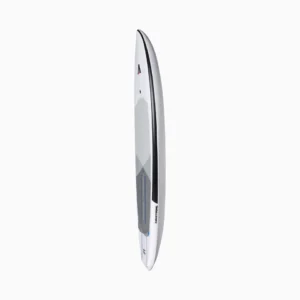
The Midlength FG Board also performs effectively across a broad range of riding disciplines including wing foiling, prone foiling, downwind progression, and surf-oriented foil applications. This adaptability makes midlength platforms especially attractive for riders seeking a versatile setup capable of handling multiple conditions without requiring separate specialized boards for every environment.
Durability remains another important advantage of fiberglass composite construction. Reinforced laminate structures help resist impact stress and long-term fatigue while preserving overall structural integrity across repeated sessions. Properly engineered reinforcement zones around foil boxes and high-pressure standing areas further improve long-term reliability and consistent performance.
Portability and handling convenience also influence practical usability. Lightweight composite construction simplifies transportation, beach handling, and launch preparation while reducing physical strain during longer carrying distances. Consequently, riders can manage the board more comfortably both on and off the water.
As modern foiling disciplines continue progressing, riders increasingly seek equipment capable of balancing glide efficiency, stability, maneuverability, lightweight durability wing foil front wing armstrong wing foil, and versatile performance across changing conditions. The Midlength FG Board reflects these priorities through its fiberglass composite construction, hydrodynamic shaping strategy, balanced volume distribution, efficient water release characteristics, and responsive handling engineered for modern foil progression and refined on-water performance.
Hydrodynamic Efficiency, Composite Durability, and Responsive Riding Control
Modern foil board engineering continues evolving toward greater efficiency, smoother water release, improved rider balance, and enhanced responsiveness across varying riding conditions. Riders increasingly demand equipment capable of supporting early lift generation armstronf, controlled carving behavior, efficient pumping response, and dependable stability without sacrificing maneuverability or glide performance. Consequently, advanced composite shaping strategies now play a major role in determining how effectively a board performs during acceleration, foil engagement, directional transitions, and sustained riding sequences armstrong downwind board.
Hydrodynamic efficiency begins with overall outline balance. Longer planing surfaces generally improve forward glide and momentum retention by increasing waterline efficiency during displacement movement. This additional glide support allows riders to generate speed more effectively before transitioning onto foil. In lighter wind conditions or smaller swell environments, efficient glide characteristics become especially valuable because maintaining acceleration directly influences takeoff consistency and lift generation hydrofoil front wing.
Volume distribution also contributes substantially to stability and rider confidence. Properly balanced flotation helps maintain predictable platform behavior during standing starts, low-speed maneuvering, and transitional movement. Boards with uneven volume flow may feel unstable or overly reactive under shifting rider pressure. However, carefully engineered volume placement improves balance control while supporting smoother weight transfer across varying riding situations.
Bottom contour shaping further influences water release and acceleration behavior. Efficient hull geometry minimizes drag during takeoff while encouraging smoother release from the water surface. Subtle concave transitions and refined release channels help maintain forward speed while reducing resistance during critical lift-generation phases. As a result, riders experience cleaner foil engagement and more controlled acceleration characteristics.
Rocker tuning remains another essential factor in overall riding versatility. Moderate rocker profiles generally balance paddling efficiency with responsive maneuverability. Excessive rocker may reduce glide performance, whereas overly flat outlines can limit carving responsiveness during active riding conditions. Carefully refined rocker geometry therefore helps maintain controlled directional handling while preserving efficient forward momentum.
Rail transitions significantly affect edge control and turning responsiveness. Sharper tail rails often improve release efficiency and carve precision, while softer forward rails encourage smoother water flow during displacement movement. These rail variations contribute to a more balanced riding feel across different speeds and water textures. Consequently, riders benefit from improved predictability during both aggressive maneuvers and stable cruising sequences downwind foil boards.
Composite construction quality also plays a major role in overall responsiveness and durability. Lightweight fiberglass laminate systems are frequently favored because they provide strong rigidity without introducing excessive overall weight m7 screws. Controlled rigidity improves energy transfer efficiency between the rider and foil system while preserving stable board response during turns and pumping motions. Additionally, lighter structures help reduce rider fatigue during transportation and extended sessions armstrong integrated foil masts price 2025.
Structural reinforcement remains particularly important in high-load zones surrounding foil mounts and standing areas. Reinforced composite layering helps distribute stress more evenly while improving long-term durability under repeated dynamic pressure. Strong reinforcement architecture contributes to dependable structural integrity across demanding riding conditions including hard carving, repeated pumping sequences, and higher-speed foil engagement armstrong downwind foil armstrong mid length board.
Deck shaping also influences rider comfort and control. Slight deck recesses, ergonomic contouring, and balanced foot positioning zones improve stance awareness while supporting more stable body alignment. Proper deck geometry enhances rider confidence by encouraging natural weight distribution during acceleration, carving transitions, and foil recovery phases HA Front Foil for sale.
Pumping efficiency has become increasingly important in modern foiling disciplines. Efficient pumping depends heavily on the relationship between board weight, rigidity, water release behavior kite armstrong, and rider input response. Lightweight composite construction combined with balanced hull geometry helps riders maintain momentum more effectively during repeated pump cycles. Consequently, sustained glide and extended ride duration become easier to achieve across variable water conditions.
Responsiveness during carving maneuvers also defines overall riding quality. Smooth directional transitions require stable rail engagement and predictable pressure response throughout the turn. Balanced shaping allows riders to carve aggressively while maintaining control and fluidity through changing edge angles armstrong wings. This responsiveness improves rider confidence during progressive maneuvers and technical transitions Midlength FG Board.
Versatility continues to be one of the strongest advantages associated with modern midlength-style platforms. Efficient hydrodynamic balance allows riders to adapt across multiple disciplines including wing-assisted riding, surf-oriented foiling, downwind progression, and freeride cruising applications armstrong wing. Consequently, riders can explore different riding styles without requiring multiple highly specialized setups hydrofoil lift stability armstrong midlength foiling boards.
Durability remains equally important for long-term usability. Exposure to repeated impacts, water pressure, UV conditions, and transportation stress places significant demands on board construction surf foilboard. High-quality fiberglass laminate systems help resist fatigue while maintaining structural consistency over extended usage cycles armstrong downwind boards. Proper maintenance and responsible storage practices further contribute to preserving overall performance integrity Midlength FG Board.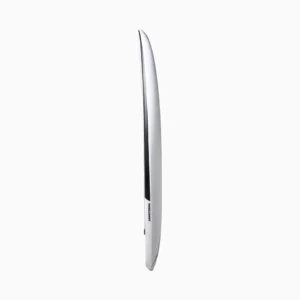
Lightweight portability also improves practical convenience both onshore and during travel. Reduced carrying weight simplifies transportation downwind sup foil, beach handling, launch preparation downwind stand up paddle boards, and equipment management across longer distances mid length foil board. Consequently, riders experience greater convenience during both daily sessions and destination-based foiling trips armstrong foil boards.
As modern foiling continues progressing rapidly, riders increasingly seek equipment capable of balancing efficient glide, responsive carving, stable lift generation, lightweight durability, and adaptable performance across diverse riding conditions. Advanced shaping strategies and refined composite engineering now define the next generation of high-performance foil board design focused on maximizing rider control, hydrodynamic efficiency, and long-term versatility on the water armstrong v1 downwind board.
Be the first to review “Midlength FG Board”
Related products
Board
Board
Board
Board
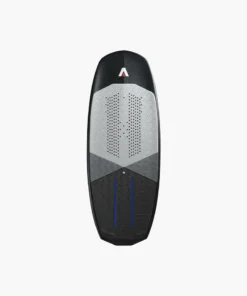
Board
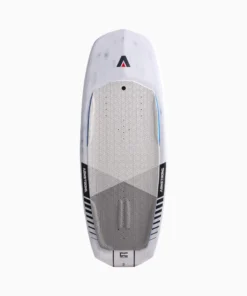
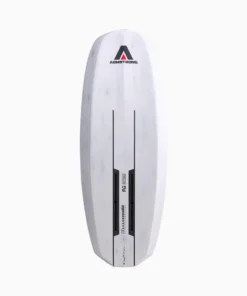
Board
Board
Reviews
There are no reviews yet.