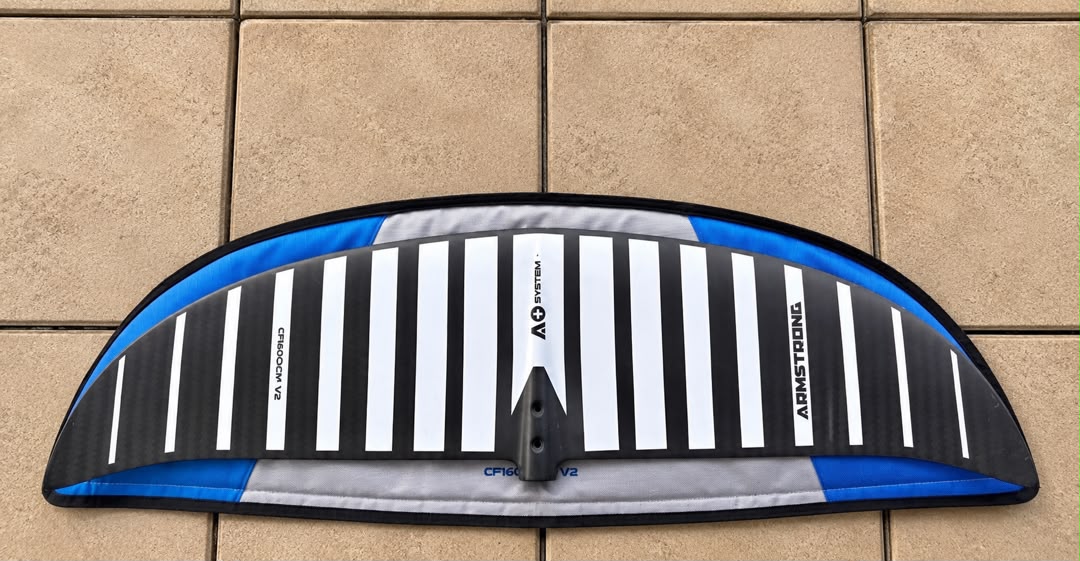
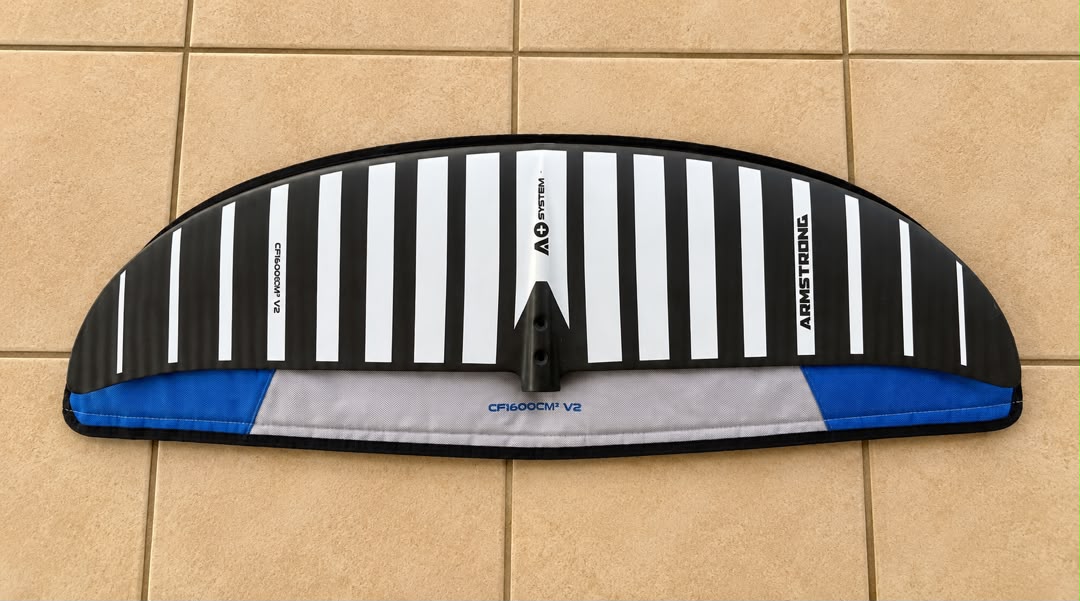
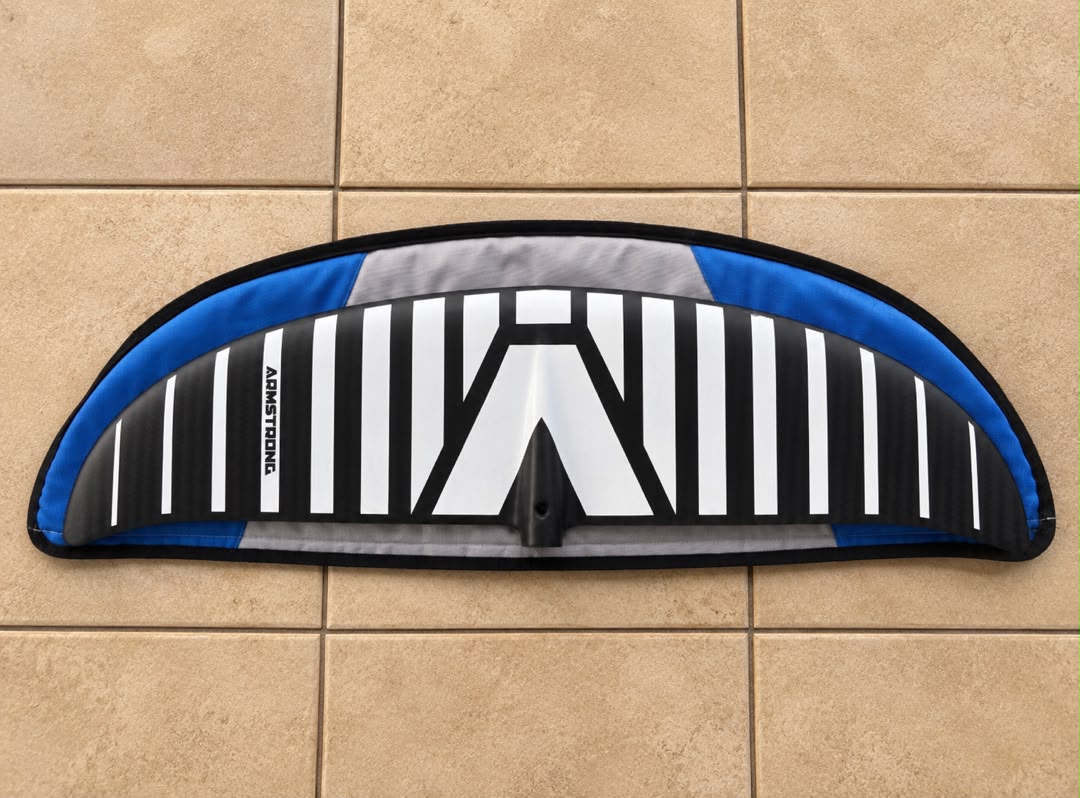
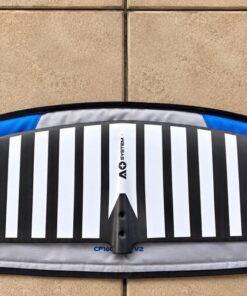
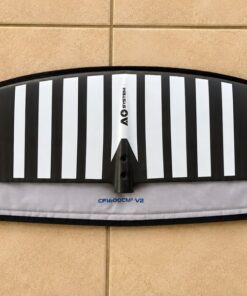
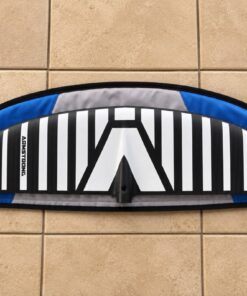
Used Armstrong CF1600 V2 Foil
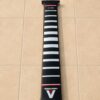
€400.00
Used Armstrong CF1600 V2 Foil – Reliable Carving Freeride Hydrofoil Wing
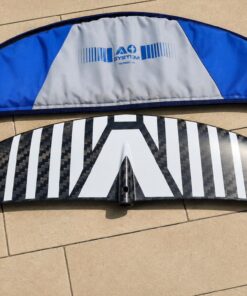
Discover this quality used Armstrong CF1600 V2 Foil, a versatile HA Front Foil built for effortless performance across wing foiling, surf foiling, downwinding, and SUP foiling. With 1600 cm² of area, this Armstrong foils front wing delivers predictable lift, low stall speed, and excellent stability, making it perfect for beginners to intermediate riders progressing confidently.
The CF1600 V2 excels when paired with Armstrong foil board, surf foil board, Armstrong downwind board, Armstrong midlength, or Armstrong downwind foil board setups. Its balanced design offers smooth carving, efficient pumping, and forgiving handling in a wide range of conditions.
Key features include full carbon construction, titanium hardware, and compatibility with Armstrong integrated foil masts, Armstrong performance mast, Armstrong fuselage, and Armstrong wings. Ideal as a wing foil front wing, hydrofoil front wing, or front foil for everyday sessions.
Whether you’re looking for an Armstrong foil boards all-rounder, surf foil, foiling board, or kite armstrong crossover option, this used CF1600 V2 provides outstanding value and real-world usability. Low maintenance, durable, and ready to fly.
Perfect for riders seeking stability, early lift, and fun progression. Contact for details or complete setup options.
Used Armstrong CF1600 V2 Foil – Premium Carving Freeride Hydrofoil Wing for Sale
Why Choose the Used Armstrong CF1600 V2 Foil – Engineering Excellence Meets Real-World Performance
The Used Armstrong CF1600 V2 Foil stands as a benchmark in modern hydrofoiling, delivering a perfect balance of stability, lift, and maneuverability that appeals to riders across disciplines. Whether you are stepping up from your first flights or refining your technique in varied conditions, this Carving Freeride V2 front wing continues to impress with its user-friendly characteristics and robust construction.
HA Front Foil technology in the CF1600 V2 provides generous surface area (1600 cm²) combined with a mid-aspect ratio design that ensures early takeoff and forgiving handling. This makes it an outstanding choice for those transitioning into foiling or looking for a reliable daily driver.
Armstrong foils have earned a reputation for precision engineering, premium materials like full carbon construction, and titanium hardware that prioritize durability without sacrificing performance. The CF V2 series exemplifies this commitment, offering predictable lift and low stall speeds that build rider confidence quickly.
When considering armstrong integrated foil masts price, the CF1600 V2 pairs seamlessly with Armstrong’s modular A+ system masts and fuselages, providing excellent value in both new and used markets. Buyers often find complete setups at competitive prices, making high-end foiling more accessible.
Pairing the wing with an armstrong foil board or dedicated surf foil board unlocks its full potential. The wing’s forgiving nature complements boards designed for early planing and smooth transitions, enhancing overall ride quality.
For armstrong downwind board enthusiasts, the CF1600 V2 excels in generating the lift needed for efficient pumping and glide in lighter winds or smaller swells. Its design supports seamless connection to armstrong midlength boards, which blend downwind-inspired stability with versatile handling.
Armstrong mid length board options, such as the Midlength Mk II, work exceptionally well with this foil, offering paddle power and easy release while maintaining maneuverability in a variety of conditions.
The armstrong downwind foil characteristics shine through in the CF1600 V2, with its low stall speed and stable platform making downwind runs more approachable and enjoyable for a wide range of rider weights and skill levels.
Armstrong mid length board compatibility further extends usability, allowing riders to maximize sessions on smaller days or when conditions demand extra stability.
Dedicated armstrong downwind boards benefit immensely from this wing’s pumping efficiency and pitch stability, turning marginal conditions into productive, fun sessions.
As a premier wing foil front wing, the CF1600 V2 delivers the carve and control needed for dynamic wing foiling maneuvers while maintaining the forgiveness that intermediates appreciate.
Shoppers searching for HA Front Foil for sale will find this used option represents excellent value, retaining the performance that has made Armstrong a leader in the category.
Kite armstrong riders transitioning to wing or surf foiling often choose this model for its versatility across sports.
Armstrong foil boards and complete setups frequently incorporate the CF1600 V2 as a core component due to its all-around capabilities.
True surf foil performance emerges with this wing’s ability to link turns smoothly and maintain lift through a variety of wave sections.
Armstrong foiling setups built around the CF V2 series consistently receive praise for quality and real-world usability across SUP, wing, kite, and wake foiling.
The foiling board experience improves dramatically when matched with this hydrofoil’s predictable behavior and progressive lift profile.
Armstrong foils for sale in the used market, particularly V2 models like the CF1600, offer newcomers and seasoned riders alike a proven platform without the premium of brand-new gear.
Foiling boards equipped with this front wing provide confidence-inspiring stability that accelerates skill development.
Enthusiasts of surf foilboard designs appreciate how the CF1600 V2 enhances carving lines and allows for more aggressive turns once riders gain familiarity.
The armstrong performance mast options integrate flawlessly, delivering the stiffness and responsiveness that complement the wing’s characteristics.
Armstrong wing riders benefit from the foil’s low-speed lift, making it ideal for lighter winds or building momentum in flat water.
Surf foil boards paired with this setup excel in small to medium waves, where stability and early flight are paramount.
Armstrong wings in the CF range continue to set standards for accessible high-performance foiling.
The armstrong fuselage design ensures secure, play-free connections that maintain precision during aggressive maneuvers.
Compared to the armstrong v1 downwind board era, V2 refinements bring improved handling and durability to the CF1600.
Current armstrong integrated foil masts price 2025 considerations highlight the long-term value of investing in compatible Armstrong components.
Foil for sup applications thrive with the CF1600 V2’s generous lift and stability, making SUP foiling sessions more consistent and enjoyable.
Armstrong wing foil enthusiasts praise the wing for its balance of glide and turning ability in wing-specific conditions.
The armstrong downwind foil board synergy allows riders to link bumps efficiently and maintain speed with minimal effort.
As a versatile hydrofoil front wing, it offers the lift and stability required for confident progression across multiple sports.
Front foil performance reaches new heights with the predictable response and forgiving stall characteristics of this model.
Hydrofoil lift stability is a standout feature, providing the platform needed for learning advanced maneuvers while retaining control in variable conditions.
This used unit represents an outstanding opportunity to own a proven performer that has helped countless riders advance their skills. Its engineering focuses on real-world usability: low stall speed for easy takeoffs, progressive lift for controlled flights, and robust construction that withstands regular use. Riders report quick progression, confidence in turns, and the ability to session longer with less fatigue.
Technical Specifications, Design Innovations, and Performance Characteristics of the Armstrong CF1600 V2 Foil
The Armstrong CF1600 V2 represents a refined evolution in hydrofoil design, built around a 1600 cm² wing area with a wingspan of approximately 856 mm and an aspect ratio around 4.85. This configuration strikes an ideal balance between lift generation and maneuverability. The full carbon construction delivers exceptional stiffness while keeping overall weight low at roughly 1250 grams for the front wing alone. Titanium hardware throughout the mounting system ensures corrosion resistance and rock-solid connections that maintain alignment even under high loads.
Engineers at Armstrong focused on a mid-aspect profile that provides predictable lift across a broad speed range. The wing features carefully tuned camber and thickness distribution, resulting in a remarkably low stall speed. Riders consistently note effortless takeoffs in 8-12 knots of wind or modest paddle power, depending on the discipline. This low-speed capability stems from optimized flow characteristics that delay separation and maintain attached flow longer than many comparable wings.
The V2 updates introduced subtle refinements to the leading edge and tip geometry compared to the original version. These changes enhance pitch stability and reduce unwanted ventilation during aggressive turns or when crossing chop. The result is a more connected feel between rider input and foil response, allowing smoother transitions from heel-side to toe-side pressure without sudden pitch changes.
Fuselage length plays a critical role in overall ride character. The CF1600 V2 typically pairs with a 70 cm fuselage in stock configurations, which increases stability in pitch and makes the setup more forgiving for progressing riders. Shorter fuselages (around 60 cm) can be swapped in for increased responsiveness once confidence grows. This modularity represents one of the system’s greatest strengths, letting owners fine-tune the setup to match evolving skills and specific conditions.
Mast integration further elevates the package. Armstrong’s carbon masts in 72 cm or 85 cm lengths offer excellent torsional rigidity with minimal flex, transmitting rider energy directly to the wing. The A+ connection system uses full-width screws and barrel nuts for a secure, tool-friendly interface that virtually eliminates play over time. This engineering detail reduces maintenance requirements and provides peace of mind during high-speed carves or repeated water contacts.
Real-world testing across disciplines reveals consistent strengths. In wing foiling, the foil gets on plane quickly and maintains efficient glide between pumps, making light-wind days far more productive. Surf foiling benefits from the wing’s ability to link sections and carry speed through flatter parts of the wave. Downwind runs become accessible rather than exhausting because the stable lift profile reduces the physical demand on the rider. Even SUP foiling sessions feel more approachable, as early flight allows riders to focus on balance and technique instead of fighting to stay aloft.
Stability stands out as a defining trait. The combination of generous area, thoughtful planform, and refined section shape creates a platform that resists sudden drops or porpoising. Beginners appreciate this forgiveness, while intermediate riders use it as a foundation for learning jumps, tacks, and gybes. Advanced users often keep the CF1600 V2 in their quiver as a reliable “conditions” wing for smaller days or when teaching others.
Durability receives equal attention in the design process. Carbon layup schedules target high-stress zones around the mast connection and tips, resulting in wings that withstand regular use and occasional impacts. Used examples like this one typically retain excellent structural integrity when properly maintained, with visible wear limited to cosmetic scuffs on the bottom surface. Titanium components resist wear and maintain smooth operation season after season.
Performance in variable conditions further demonstrates versatility. In flat water, the foil pumps efficiently and tracks straight, supporting long exploratory sessions. Chop and small waves are handled with composure thanks to the progressive lift curve that smooths out inconsistencies in water flow. Stronger winds allow riders to push the wing harder into turns, where the tips maintain grip without sudden stalls. This adaptability makes the CF1600 V2 a true all-rounder rather than a specialist tool.
Riders weighing 70-100 kg often find this size ideal as a primary wing, while lighter or heavier athletes can adjust via mast length, fuselage choice, or tail stabilizer size. The CF300 V2 tail commonly paired with this front wing provides balanced counter-lift and excellent tracking, completing a harmonious setup. Swapping to different tail options opens additional tuning possibilities for those who enjoy experimenting.
Maintenance remains straightforward. Regular freshwater rinsing after saltwater sessions prevents buildup and preserves the finish. Inspecting screw threads and connection points before each use takes only moments but prevents issues. The modular design means individual components can be replaced if ever needed, extending the overall lifespan significantly compared to non-serviceable foils.
From an engineering perspective, the CF1600 V2 embodies thoughtful compromises. It sacrifices ultimate top-end speed found in higher-aspect designs in exchange for vastly improved low-speed behavior and turning ease. This trade-off proves worthwhile for the majority of recreational and progressing riders who value fun and progression over pure racing performance. The wing rewards smooth inputs with fluid, carving arcs that build confidence and encourage experimentation.
Owners frequently report accelerated skill development when using this foil. The stable platform reduces the mental load of constant corrections, allowing focus on body position, weight shift, and timing. Many describe it as the wing that finally helped them link multiple turns, complete their first gybes, or successfully navigate downwind runs. This psychological benefit often proves as valuable as the physical performance characteristics.
In summary, the technical foundation of the Armstrong CF1600 V2 combines proven materials, intelligent hydrodynamics, and practical modularity into a cohesive package. Its real-world performance across disciplines, conditions, and rider levels explains its enduring popularity even as newer options enter the market. This used example offers an accessible entry into that proven performance without compromising core capabilities
Real-World Riding Experiences, Progression Pathways, and Practical Considerations for the Armstrong CF1600 V2
Riders who spend time on the CF1600 V2 quickly discover how its design translates into enjoyable sessions across many different environments. On a typical wing foiling day with light to moderate wind, the foil rises onto plane smoothly as soon as forward momentum builds. This early lift reduces the physical effort needed to get flying, which means longer sessions and less fatigue. Once airborne, the stable pitch allows riders to focus on positioning the wing and carving smooth arcs rather than constantly fighting for balance.
In surf foiling, the wing shines when waves are smaller or inconsistent. The generous surface area helps maintain flight through flatter sections where other foils might drop out. Riders report linking multiple turns with greater confidence because the foil forgives minor mistakes in weight distribution. The progressive stall characteristics provide a gentle warning before losing lift, giving time to adjust stance or pump lightly to regain altitude. This safety net proves especially valuable when learning to navigate sections or recover from near-touchdowns.
Downwind foiling benefits enormously from the low stall speed and efficient pumping. Many users describe their first successful downwind runs happening on this foil after struggling with higher-aspect options. The stable platform makes it easier to connect swells and maintain speed over distance. Combined with a suitable board, the setup turns marginal days into rewarding adventures rather than frustrating battles against gravity.
SUP foiling opens up for a broader range of athletes thanks to the predictable lift. Paddlers appreciate how little power is required to get flying, which extends the fun even when conditions are not perfect. The foil’s stability helps build core confidence before attempting more advanced maneuvers like carving tighter turns or transitioning between different stances.
Progression follows a natural path with this wing. Beginners gain early wins with successful flights and controlled descents. Intermediates start exploring tighter turns, pumping techniques, and basic jumps. Advanced riders keep the foil in rotation for teaching friends, lighter wind days, or when they want a relaxed session after pushing limits on smaller, more aggressive wings. This versatility makes it a smart long-term investment rather than a temporary stepping stone.
Many owners share stories of rapid improvement. One common theme involves finally completing first gybes or tacks after switching to the CF1600 V2. The extra stability reduces anxiety during transitions, allowing cleaner execution and faster learning loops. Others mention using it successfully to teach partners or children, appreciating how the forgiving nature keeps everyone safe and motivated.
Conditions adaptability stands out as another practical advantage. Flat water sessions feel engaging because the foil tracks straight and pumps efficiently. Light chop gets smoothed out by the wing’s inherent stability. Small waves become playgrounds for carving practice. Even stronger winds remain manageable when paired with appropriate board and sail/wing sizes. This broad operating window means fewer days left on the beach waiting for perfect conditions.
Equipment pairing influences the overall experience significantly. Longer masts provide more flight height and room for error in chop, while shorter options increase maneuverability in tighter spaces. Fuselage length adjustments shift the balance between stability and responsiveness. Tail stabilizers can be swapped to fine-tune the feel—larger tails for extra lift and forgiveness, smaller ones for livelier handling. This modular approach lets riders evolve their setup alongside their skills.
Maintenance requirements remain modest but important for longevity. After each session, a thorough rinse with fresh water removes salt and sand. Periodic inspection of screws, threads, and connection points catches potential issues early. The carbon components resist fatigue well when not subjected to unnecessary impacts. Most used examples in good condition show primarily cosmetic wear, with structural integrity fully preserved when cared for properly.
Buying a used foil like this one opens high performance at a more accessible price point. Careful examination focuses on the wing’s leading edge, tips, and mounting areas. Checking for delamination, cracks, or excessive play in connections helps ensure the unit remains safe and enjoyable. Reputable sellers often provide details about previous use and any maintenance history, giving buyers confidence in their purchase.
Storage and transport also deserve consideration. The disassembled system packs efficiently into a board bag or dedicated foil case. Protective covers for the wing and mast prevent dings during travel or storage. Simple habits like avoiding direct sunlight for extended periods and keeping components dry extend the life of the entire setup.
Community feedback consistently highlights the foil’s role in building confidence and extending session times. Riders appreciate feeling in control rather than at the mercy of the equipment. This psychological comfort encourages more time on the water, which naturally accelerates skill development and overall enjoyment.
The CF1600 V2 excels as both a learning tool and a versatile performer. Its balanced characteristics support riders through multiple stages of development while remaining relevant even as skills advance. For those seeking reliable, enjoyable foiling without constant upgrades, this wing delivers lasting value and memorable experiences on the water
Section 4: Comparing the CF1600 V2 with Other Options, Buying Guidance for Used Foils, and Long-Term Ownership Benefits
Choosing the right hydrofoil involves understanding how different models behave on the water. The Armstrong CF1600 V2 sits comfortably in the mid-range category, offering more accessibility than high-aspect racing wings while providing better performance and durability than entry-level beginner foils. Compared to smaller, higher-aspect designs, it delivers noticeably easier lift and greater stability at lower speeds. This makes it less demanding physically and mentally, particularly during early progression or in variable conditions.
Against larger, lower-aspect wings, the CF1600 V2 feels more agile and responsive once up to speed. The 1600 cm² area provides ample lift without the bulk that can make bigger wings feel sluggish in turns. Riders moving from very large beginner wings often comment on the improved turning radius and overall liveliness while retaining the confidence-inspiring forgiveness they appreciated in their previous setup.
Within the Armstrong lineup, this V2 model bridges the gap between dedicated beginner tools and more advanced performance wings. It shares the same high-quality construction and modular system as premium options but at a size that suits a wide audience. The V2 refinements bring better pitch stability and smoother handling compared to the first generation, making the update worthwhile for those upgrading.
When evaluating used foils, several practical steps help ensure a good purchase. Start with a close visual inspection of the wing surfaces, paying special attention to the leading edge, wingtips, and areas around the mounting plate. Look for any signs of impact damage, cracking, or delamination. Check the titanium hardware for wear or corrosion. Test the connections by assembling the foil and gently checking for play or movement. A thorough freshwater rinse and careful drying after testing can reveal hidden issues.
Ask sellers about usage history, including typical conditions, frequency of use, and any maintenance performed. Foils that have seen mostly flat water or light use often remain in excellent condition. Units with documented regular rinsing and proper storage tend to perform reliably for years to come. Transparent sellers usually provide this information willingly, which builds buyer confidence.
Pricing for quality used examples reflects the original premium construction while offering significant savings compared to new. This value proposition appeals to progressing riders who want proven performance without the newest-model premium. Many discover that a well-maintained used CF1600 V2 actually serves their needs better than a brand-new smaller or more specialized wing.
Long-term ownership brings several advantages. The modular design means you can upgrade or replace individual components as needs change—perhaps trying a different mast length or tail stabilizer—without buying an entirely new system. This flexibility extends the useful life of the investment considerably. Many riders keep their CF1600 V2 for multiple seasons, using it as a reliable daily driver or backup wing even after adding more specialized equipment to their quiver.
Session consistency improves with familiarity. As riders learn the foil’s exact behavior, they develop muscle memory that makes every outing more enjoyable. The predictable response reduces the learning curve when trying new maneuvers and builds overall confidence on the water. This consistency often translates into more frequent sessions and faster overall progression.
Maintenance routines become simple habits that protect the investment. Rinsing after every session, storing components dry and protected, and performing occasional inspections take minimal time but prevent costly repairs. The robust construction tolerates regular use well, with most wear appearing as cosmetic scratches rather than structural concerns.
Transportation and storage fit easily into an active lifestyle. The disassembled foil packs compactly alongside a board, making travel to different spots straightforward. Dedicated cases or padded bags protect components during car trips or flights. Proper storage at home—away from direct sunlight and extreme temperatures—preserves materials and keeps the setup ready for spontaneous sessions.
Community insights often highlight the foil’s role in building lasting enthusiasm for the sport. Riders who progress on this wing frequently continue foiling for years because early experiences were positive and rewarding. The balance of challenge and accessibility keeps the activity engaging without becoming frustrating. Many eventually pass their first foil to new riders, continuing the cycle of progression within the community.
For those balancing multiple water sports, the CF1600 V2 adapts across disciplines with minor setup adjustments. The same core wing performs admirably whether the day calls for wing foiling, surf foiling, or SUP adventures. This versatility maximizes value from a single major purchase and simplifies decision-making when heading out.
Ultimately, the CF1600 V2 earns its reputation through consistent real-world performance, thoughtful engineering, and practical usability. It serves as both an excellent first performance foil and a dependable tool for experienced riders. A quality used example delivers this proven capability at an attractive price point, making it an intelligent choice for anyone serious about enjoying hydrofoiling across varied conditions and skill stages
Be the first to review “Used Armstrong CF1600 V2 Foil”
Related products
Used Product
Used Product
Used Product
Used Product
Used Product
Used Product
Used Product
Used Product
Reviews
There are no reviews yet.