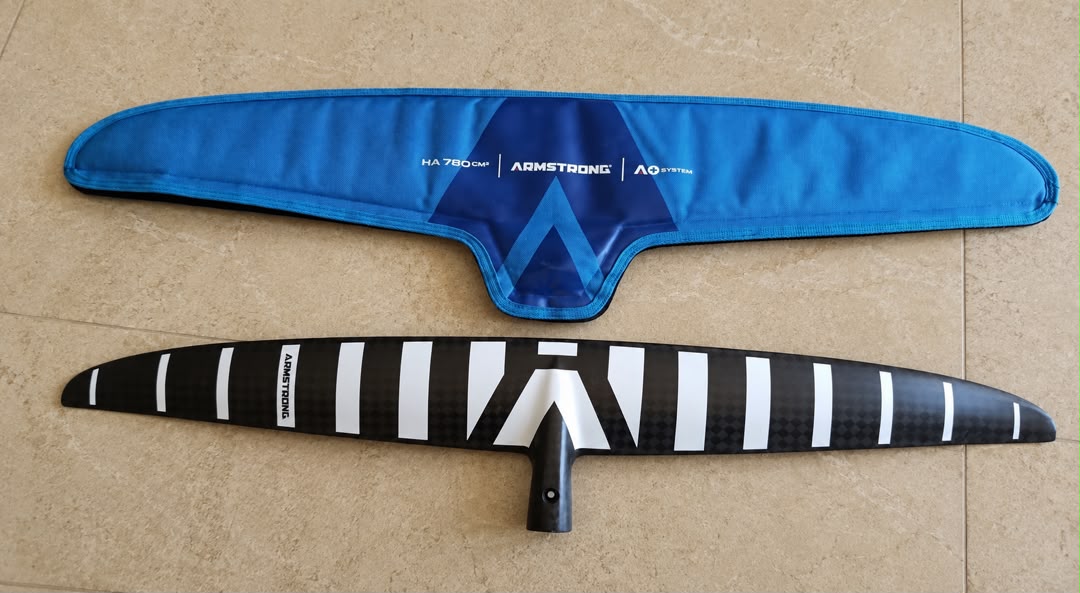
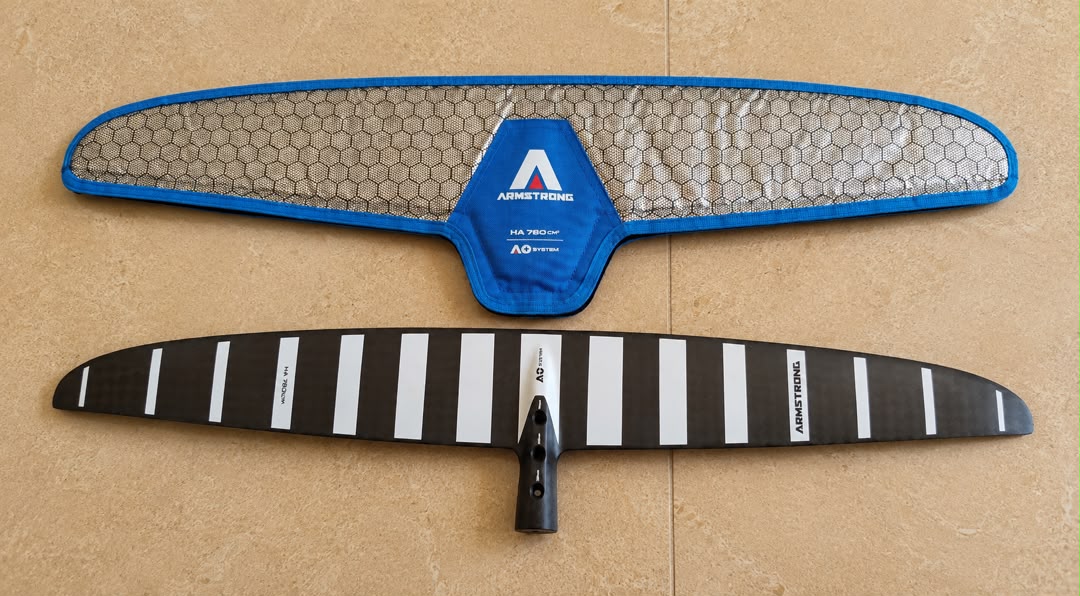
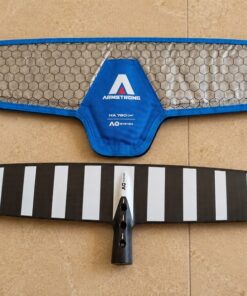
USED HA780 FRONT FOIL
€250.00
Used HA780 Front Foil.
Unlock exceptional glide, speed, and efficiency with this Used HA780 Front Foil, a premium high-aspect hydrofoil wing designed for riders who demand maximum performance across wing foiling, downwind foiling, surf foiling, and SUP foiling. Known for its outstanding lift-to-drag ratio and smooth handling characteristics, the HA780 remains a popular choice among advanced riders seeking long-distance glide, efficient pumping, and stable flight.
The HA780 delivers excellent acceleration and maintains speed effortlessly once on foil. Its high-aspect profile allows riders to cover greater distances with less effort while providing the control and predictability needed in a wide range of conditions. Whether you’re linking ocean swell, carving waves, riding downwind, or maximizing efficiency during wing foil sessions, this front foil offers a refined and confidence-inspiring experience.
This used foil is in good condition and remains fully functional with no issues affecting performance. Normal cosmetic signs of use may be present, but the foil continues to deliver the smooth glide, stability, and responsiveness that have made it a favorite among experienced foilers.
Key Features
- High-aspect design for maximum glide efficiency
- Excellent speed retention and pumping performance
- Smooth and predictable handling
- Outstanding lift and stability
- Ideal for wing foiling, surf foiling, and downwind riding
- Efficient performance in light and moderate conditions
- Responsive carving and directional control
- Durable construction
- Suitable for intermediate and advanced riders
- Proven performance across multiple foiling disciplines
Condition
This foil has been previously used and shows normal cosmetic wear consistent with regular use. It remains structurally sound and performs exactly as intended. All mounting surfaces and critical structural areas are in good condition.
Ideal For
- Wing foiling
- Downwind foiling
- Surf foiling
- SUP foiling
- Long-distance glides
- Open ocean riding
- Advanced carving
- Riders seeking maximum efficiency
Used HA780 Front Foil – High Aspect Performance, Speed, Glide, and Efficiency for Advanced Foiling
Why the Used HA780 Front Foil Is One of the Most Versatile High-Aspect Foils Available
The HA780 Front Foil represents the perfect balance of speed, efficiency, glide, and maneuverability for riders seeking premium performance across multiple foiling disciplines. Whether you are progressing in wing foiling, exploring open-ocean downwind runs, surfing ocean swell, or maximizing pumping efficiency between waves, the HA780 delivers an impressive combination of lift, stability, and responsiveness.
Purchasing a Used HA Front Foil provides an excellent opportunity to access elite-level foiling performance while significantly reducing the cost compared to purchasing a brand-new setup. For experienced riders who understand the value of high-aspect foil design, the HA780 continues to be one of the most sought-after front wings in the modern hydrofoil market.
Its refined profile creates outstanding glide efficiency while maintaining predictable handling characteristics. As a result, riders can achieve greater distances, smoother transitions, and improved overall performance in a wide variety of conditions.
Understanding High Aspect Foil Design
The evolution of modern hydrofoil technology has dramatically transformed the sport of foiling. High-aspect designs have become increasingly popular because they maximize efficiency while minimizing drag.
The Hydrofoil Front Wing serves as the primary lifting surface within the foil system. Consequently, its design directly influences overall performance.
The HA780 has been engineered to provide:
Exceptional Glide
The wing maintains speed efficiently between power inputs.
Efficient Pumping
Less rider effort is required to sustain flight.
Increased Speed
Reduced drag supports higher cruising velocities.
Predictable Handling
Smooth transitions improve rider confidence.
These advantages explain why many advanced riders actively search for a HA Front Foil for Sale when upgrading their foiling equipment.
Compatibility Across Multiple Foiling Disciplines
One of the strongest features of the HA780 is its versatility.
Unlike specialized foil wings designed for only one application, this front wing performs exceptionally well in several disciplines.
Armstrong Wing Foil Applications
Many riders pair the HA780 with an Armstrong Wing Foil setup to maximize efficiency and speed.
Surf Foil Performance
The wing provides excellent glide characteristics for Surf Foil riding and wave linking.
Downwind Foiling
The foil excels when used with an Armstrong Downwind Foil configuration.
SUP Foiling
Its efficiency also makes it an outstanding Foil for SUP option.
This versatility allows riders to expand their riding opportunities without needing multiple front wings.
Why Riders Choose Armstrong Foils
The reputation of Armstrong Foils has been built upon innovation, precision engineering, and exceptional on-water performance.
Across the world, riders trust Armstrong products because they consistently deliver:
- High-quality construction
- Excellent durability
- Advanced hydrodynamic efficiency
- Outstanding control
- Long-term reliability
As a result, demand for Armstrong Foils for Sale remains strong throughout both new and used equipment markets.
Many experienced riders specifically seek Armstrong products because of their proven ability to perform in demanding conditions.
Optimized for Modern Armstrong Systems
The HA780 integrates exceptionally well within the broader Armstrong ecosystem.
Popular combinations often include:
Armstrong Performance Mast
Provides stiffness and immediate rider feedback.
Armstrong Fuselage
Creates a balanced connection between all foil components.
Armstrong Wing
Offers efficient power delivery and intuitive handling.
Armstrong Wings
Available in multiple sizes for varying wind strengths.
Together, these components create a highly refined foiling experience that emphasizes efficiency and control.
The Role of Hydrofoil Lift Stability
One of the most important performance characteristics of any front wing is Hydrofoil Lift Stability.
Lift stability determines how smoothly a foil maintains altitude above the water surface. Stable lift improves rider confidence while reducing unnecessary corrections.
The HA780 excels in this area by delivering:
Predictable Flight Characteristics
The foil remains composed through changing conditions.
Improved Rider Confidence
Smooth lift generation helps reduce mistakes.
Enhanced Efficiency
Less energy is wasted making constant adjustments.
Better Long-Distance Performance
Stable flight supports extended foiling sessions.
These characteristics become increasingly valuable during open-water and downwind riding.
Perfect Pairing for Modern Foiling Boards
The HA780 performs exceptionally well with a wide variety of board designs.
Popular pairings include:
Armstrong Foil Board
Creates a highly responsive wing foiling setup.
Armstrong Foil Boards
Suitable across multiple volume ranges.
Armstrong Downwind Board
Supports efficient open-ocean riding.
Armstrong Midlength
Provides an excellent balance between stability and glide.
Armstrong Mid Length Board
Enhances takeoff efficiency and cruising speed.
Armstrong V1 Downwind Board
Pairs effectively for extended downwind runs.
These combinations allow riders to tailor performance to their preferred riding style.
Applications in Surf and Downwind Foiling
Modern foilers increasingly seek equipment capable of performing across multiple disciplines.
The HA780 supports:
Surf Foil Board Performance
Excellent wave connection and glide.
Surf Foil Boards
Versatility across varying wave conditions.
Surf Foilboard Riding
Smooth carving and efficient pumping.
Armstrong Downwind Boards
Outstanding distance capability.
Armstrong Downwind Foil Board Setups
Enhanced efficiency during long ocean runs.
Because of these capabilities, many riders view the HA780 as one of the most versatile front wings available.
Understanding Value in Premium Foil Systems
Premium foiling equipment represents a significant investment.
Many riders researching complete setups often compare costs such as:
Armstrong Integrated Foil Masts Price
A common consideration when building a performance foil system.
Armstrong Integrated Foil Masts Price 2025
Frequently researched by riders evaluating current equipment options.
Purchasing a used HA780 allows riders to access premium-level performance while reducing overall equipment expenses.
Why the Used HA780 Front Foil Is a Smart Purchase
For riders seeking maximum glide, efficiency, speed, and versatility, the Used HA780 Front Foil remains an outstanding choice.
Its ability to excel across wing foiling, surf foiling, downwind foiling, and SUP applications makes it one of the most practical investments available.
Whether paired with a Wing Foil Front Wing setup, integrated into a complete Armstrong Foiling system, or used alongside a dedicated Foiling Board, the HA780 consistently delivers the smooth performance, efficiency, and control that advanced riders demand.
The result is a front wing capable of transforming every session into a faster, more efficient, and more enjoyable foiling experience.
Advanced Hydrodynamic Performance and Real-World Riding Efficiency
Designed for Riders Seeking Maximum Efficiency
Modern high-performance foil wings are engineered to achieve a delicate balance between speed, lift, maneuverability, and control. Every curve, contour, and surface profile influences how the wing behaves beneath the water.
A well-designed high-aspect foil focuses on minimizing drag while maximizing glide. This allows riders to travel greater distances with less effort while maintaining smooth and predictable flight characteristics. As a result, energy that would normally be lost through water resistance is converted into forward momentum and sustained lift.
This efficiency becomes especially noticeable during long sessions where maintaining speed and conserving energy are equally important.
Understanding the Importance of Glide
Glide is one of the most desirable characteristics in modern foiling.
A wing with excellent glide continues moving efficiently even after power input decreases. Instead of immediately losing speed, it maintains momentum and allows riders to connect sections, extend rides, and cover greater distances.
The benefits of strong glide performance include:
Longer Rides
Momentum is maintained for extended periods.
Improved Wave Linking
Riders can connect multiple sections more easily.
Greater Efficiency
Less physical effort is required to sustain flight.
Better Downwind Performance
Long-distance runs become smoother and more enjoyable.
These advantages contribute significantly to overall riding satisfaction.
Early Lift and Smooth Takeoffs
Takeoff performance often determines how enjoyable a session becomes.
A wing that generates lift efficiently helps riders rise onto foil with less effort and lower speeds. Consequently, takeoffs feel smoother and more predictable.
Early lift offers several practical advantages:
- Reduced fatigue
- Improved confidence
- Greater success in lighter conditions
- Easier progression
- More time spent foiling
For many riders, efficient lift generation becomes one of the most appreciated characteristics of a performance-oriented front wing.
Stability Throughout the Flight Envelope
Stability remains essential regardless of riding discipline.
Whether carving through ocean swell, cruising in open water, or pumping between waves, riders benefit from equipment that behaves predictably.
Stable flight characteristics help:
Reduce Rider Fatigue
Fewer corrections are needed to maintain control.
Increase Confidence
The foil responds consistently to rider input.
Improve Learning Speed
Progression becomes more efficient.
Enhance Safety
Predictable behavior reduces unexpected reactions.
Together, these qualities create a more enjoyable and confidence-inspiring experience.
Efficient Pumping Performance
Pumping has become an increasingly important skill across multiple foiling disciplines.
An efficient wing helps riders convert body movement into forward motion with minimal energy loss. This capability allows riders to maintain flight for longer periods while extending rides beyond what would otherwise be possible.
Effective pumping performance contributes to:
- Greater range
- Improved wave connection
- Better endurance
- Enhanced versatility
- More opportunities on the water
As riders develop their technique, the benefits of efficient pumping become even more apparent.
Maintaining Speed Through Turns
Turning performance is not simply about maneuverability. Equally important is the ability to maintain speed throughout the maneuver.
A well-balanced foil allows riders to carve confidently while preserving momentum. Rather than slowing dramatically during turns, the wing continues generating efficient lift and forward drive.
This characteristic improves:
Flow
Transitions feel smooth and connected.
Control
The rider maintains authority throughout the maneuver.
Efficiency
Less speed is lost during directional changes.
Enjoyment
Carving becomes more dynamic and rewarding.
These qualities help create a more fluid riding experience.
Performance Across Different Water Conditions
Conditions on the water are constantly changing.
Flat water, wind swell, ocean chop, and breaking waves all present unique challenges. Equipment that performs well across these varying environments provides significant advantages.
A versatile high-performance wing should remain effective in:
- Calm conditions
- Moderate swell
- Wind-generated chop
- Open-ocean environments
- Variable water states
Adaptability allows riders to spend more time riding and less time adjusting equipment choices.
Improving Rider Progression
Progression depends on consistent feedback and predictable performance.
When equipment responds accurately to rider input, learning becomes more efficient. Riders can identify mistakes quickly, refine technique, and build confidence through repetition.
A responsive foil helps improve:
Balance Control
Subtle movements produce clear feedback.
Weight Distribution
Riders learn proper positioning more effectively.
Pumping Technique
Efficient designs reward good mechanics.
Carving Skills
Precise handling supports progression.
Flight Management
Altitude control becomes more intuitive.
These improvements contribute directly to long-term development.
Reduced Drag and Increased Efficiency
Hydrodynamic drag acts as the primary force opposing forward motion beneath the water.
Reducing drag allows the foil to move more efficiently while requiring less energy to maintain speed. Consequently, riders experience greater glide, longer rides, and improved overall performance.
Reduced drag contributes to:
- Faster acceleration
- Higher cruising speeds
- Better endurance
- Smoother transitions
- Increased efficiency
These benefits become especially valuable during extended sessions.
Rider Confidence and Control
Confidence often separates experienced riders from beginners.
Equipment that behaves predictably encourages riders to explore new conditions, attempt more advanced maneuvers, and push their limits safely.
Confidence is strengthened through:
Consistent Responses
The foil reacts predictably to input.
Stable Flight
Unexpected movements are minimized.
Smooth Power Delivery
Control remains manageable across different speeds.
Reliable Performance
The rider develops trust in the equipment.
This trust plays a major role in long-term progression.
Why Efficiency Matters More Than Raw Speed
Many riders initially focus on top speed when evaluating performance. However, efficiency often proves more important in real-world conditions.
Efficient foils allow riders to:
- Stay on foil longer
- Travel greater distances
- Conserve energy
- Improve session quality
- Maximize riding opportunities
Rather than requiring constant effort to maintain performance, an efficient wing works with the rider and enhances every aspect of the experience.
A Platform for Advanced Performance
Modern foiling continues to evolve rapidly, and riders increasingly seek equipment capable of supporting multiple disciplines and riding styles.
A refined high-aspect front wing provides the combination of lift, glide, stability, speed, and control needed for advanced performance across a broad range of conditions. Whether the goal is covering long distances, linking waves, improving pumping technique, or simply enjoying smoother rides, these characteristics contribute to a more rewarding experience on the water.
Ultimately, exceptional hydrodynamic efficiency transforms every session by allowing riders to spend less energy fighting resistance and more time enjoying the sensation of effortless flight above the water.
Rider Experience, Progression, and Long-Distance Performance
Built to Support Continuous Progression
One of the defining characteristics of premium foiling equipment is its ability to remain relevant as rider skills improve. Many products perform adequately during the early stages of progression but eventually become limiting as techniques become more advanced.
A high-performance front wing should continue rewarding riders as their abilities develop. Rather than masking mistakes, it provides clear feedback that encourages better technique and greater control.
This relationship between rider and equipment becomes increasingly valuable over time. As skills improve, the rider gains a deeper understanding of balance, energy management, and efficient movement across the water.
Consequently, progression becomes more natural and enjoyable.
Developing Better Flight Control
Flight control represents one of the most important skills in modern foiling.
Maintaining a consistent ride height while adapting to changing water conditions requires coordination, balance, and experience. Equipment that responds predictably helps riders learn these skills more efficiently.
Improved flight control contributes to:
- Greater stability
- Smoother rides
- Better maneuverability
- Increased confidence
- Enhanced overall performance
As riders become more comfortable controlling altitude and direction, they can focus on refining advanced techniques rather than simply staying airborne.
Learning Through Consistent Feedback
Quality equipment provides immediate and predictable feedback.
Every movement made by the rider influences how the foil behaves beneath the water. Responsive equipment allows riders to recognize these effects quickly, accelerating the learning process.
Consistent feedback helps improve:
Foot Placement
Small adjustments become easier to understand.
Weight Distribution
Riders learn how pressure affects performance.
Balance Management
Control becomes more intuitive.
Turning Technique
Movements become smoother and more efficient.
Pumping Rhythm
Energy transfer becomes increasingly effective.
These improvements create a foundation for long-term progression.
Efficiency During Extended Sessions
Long sessions place different demands on equipment than short training runs.
As fatigue increases, efficiency becomes increasingly important. Equipment that conserves energy allows riders to stay focused and maintain performance throughout the session.
Several factors contribute to improved endurance:
- Smooth glide characteristics
- Predictable handling
- Efficient energy transfer
- Stable flight behavior
- Reduced physical effort
Together, these qualities help riders remain comfortable and productive on the water for longer periods.
Confidence in Challenging Conditions
Not every session takes place under ideal conditions.
Wind shifts, uneven swell, changing tides, and surface chop all create additional challenges. Equipment that remains predictable despite these variables gives riders greater confidence when conditions become difficult.
Confidence in challenging environments encourages:
More Water Time
Riders are willing to launch in a wider range of conditions.
Faster Progression
Experience accumulates more rapidly.
Better Decision-Making
Calm and confident riders make smarter choices.
Greater Enjoyment
Sessions become less stressful and more rewarding.
These benefits contribute significantly to overall development.
The Importance of Flow
Many experienced riders describe flow as one of the most enjoyable aspects of foiling.
Flow occurs when movements become smooth, connected, and effortless. Rather than constantly reacting to the equipment, the rider feels synchronized with it.
Characteristics that support flow include:
- Smooth transitions
- Predictable responses
- Efficient glide
- Balanced handling
- Consistent performance
This sensation often transforms an ordinary session into a memorable experience.
Improving Energy Management
Energy management plays a critical role in advanced foiling.
Experienced riders learn how to maintain speed and altitude while minimizing unnecessary effort. Efficient equipment supports this process by converting rider input into useful movement rather than wasting energy through drag or instability.
Good energy management allows riders to:
- Extend rides
- Improve endurance
- Cover greater distances
- Maintain momentum
- Increase overall efficiency
As technique improves, these advantages become increasingly noticeable.
Adaptability Across Riding Styles
Every rider develops a unique approach to the sport.
Some prefer long-distance cruising, while others focus on carving, wave riding, or technical maneuvers. Versatile equipment accommodates these preferences without feeling overly specialized.
Adaptability supports:
Recreational Riding
Relaxed sessions focused on enjoyment.
Performance Riding
More aggressive and dynamic maneuvers.
Technical Progression
Developing advanced skills.
Exploration
Covering greater distances and new locations.
This flexibility increases the long-term value of the equipment.
Enhancing Wave Connection
For riders who enjoy swell and wave riding, maintaining momentum between sections is extremely important.
Efficient equipment allows riders to connect multiple sections with less effort, creating longer and more satisfying rides.
Benefits include:
- Improved rhythm
- Better speed retention
- Greater efficiency
- Enhanced control
- Increased riding opportunities
These characteristics contribute significantly to overall enjoyment in moving water environments.
Building Trust Through Repetition
Trust develops gradually through repeated positive experiences.
When equipment behaves consistently across different conditions, riders become more confident in its capabilities. This trust reduces hesitation and encourages more decisive actions on the water.
Benefits of rider confidence include:
Faster Reactions
Decisions are made more quickly.
Improved Control
Movements become more precise.
Better Performance
Confidence supports successful execution.
Increased Enjoyment
Sessions feel more relaxed and rewarding.
Over time, this relationship between rider and equipment becomes one of the most valuable aspects of ownership.
Long-Term Skill Development
Foiling is a sport that rewards patience and continuous learning.
Each session presents opportunities to refine technique, improve efficiency, and expand personal limits. Equipment that supports this journey remains valuable long after the initial purchase.
Long-term development often includes:
- Improved balance
- Better timing
- Enhanced coordination
- Greater endurance
- Increased confidence
These improvements create a cycle of progression that keeps the sport engaging and rewarding.
Why Advanced Riders Value Predictability
As skill levels increase, riders often place greater importance on predictability than raw performance figures.
Predictable equipment allows riders to focus on execution rather than compensation. Every maneuver becomes more consistent because the equipment behaves exactly as expected.
This reliability contributes to:
- Better technique
- Faster progression
- Improved safety
- Greater confidence
- More enjoyable sessions
Ultimately, the most rewarding equipment is not simply the fastest or most aggressive. Instead, it is the equipment that consistently helps riders perform at their best while supporting long-term growth, confidence, and enjoyment on the water.
Durability, Construction Quality, Maintenance, and Long-Term Ownership Value
Engineered for Long-Term Reliability
Performance equipment is expected to endure demanding environments while maintaining consistent performance over time. Repeated exposure to saltwater, sunlight, impacts, transportation, and varying weather conditions places significant stress on every component.
For this reason, durability is one of the most important factors influencing long-term ownership satisfaction. Riders need equipment they can trust throughout countless sessions without worrying about premature wear or declining performance.
A well-constructed front wing maintains its intended characteristics over time, allowing riders to enjoy the same predictable handling and efficiency that initially attracted them to the design.
This consistency becomes increasingly valuable as experience grows and performance expectations rise.
Why Construction Quality Matters
Construction quality directly influences how equipment performs on the water.
Precision manufacturing helps ensure that the wing retains its shape, structural integrity, and hydrodynamic efficiency. Even small deviations in design can affect performance, making attention to detail especially important.
High-quality construction contributes to:
- Consistent handling
- Improved durability
- Long-term reliability
- Better efficiency
- Greater rider confidence
These benefits often become more noticeable after months or years of use.
Maintaining Performance Over Time
Every rider wants equipment that continues to perform season after season.
Long-term performance depends on both manufacturing quality and proper maintenance. When these two factors work together, equipment remains dependable and enjoyable for many years.
Consistent performance provides several advantages:
Familiar Handling
The rider develops trust through repeated use.
Predictable Responses
Performance remains stable across different conditions.
Reduced Ownership Costs
Fewer repairs and replacements may be required.
Greater Satisfaction
Reliable equipment improves the overall experience.
These benefits contribute directly to long-term value.
The Importance of Structural Integrity
Structural integrity affects more than durability alone.
A rigid and properly maintained wing provides accurate feedback and efficient energy transfer. When structural integrity is preserved, performance remains predictable and responsive.
Strong structural characteristics help support:
- Efficient glide
- Stable flight
- Consistent turning behavior
- Reliable control
- Improved rider confidence
Consequently, riders can focus on technique rather than equipment concerns kite armstrong.
Be the first to review “USED HA780 FRONT FOIL”
Related products
Used Product
Used Product
Used Product
Used Product
Used Product
Used Product
Used Product
Used Product
Reviews
There are no reviews yet.