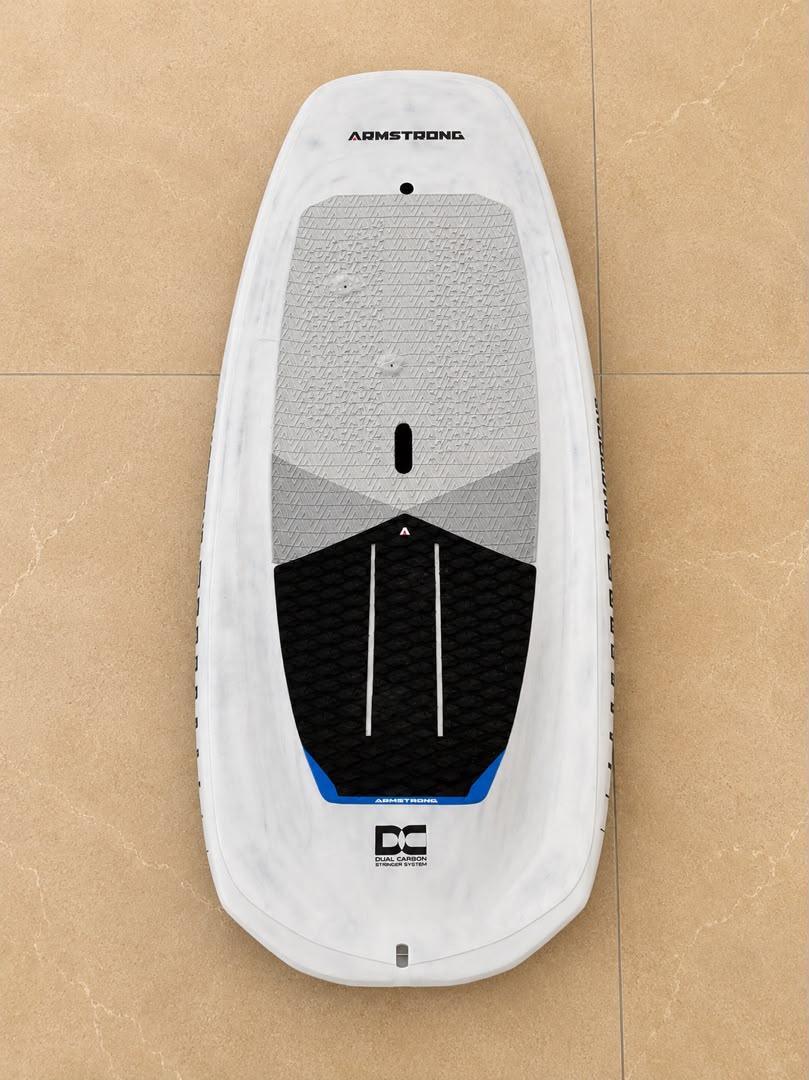
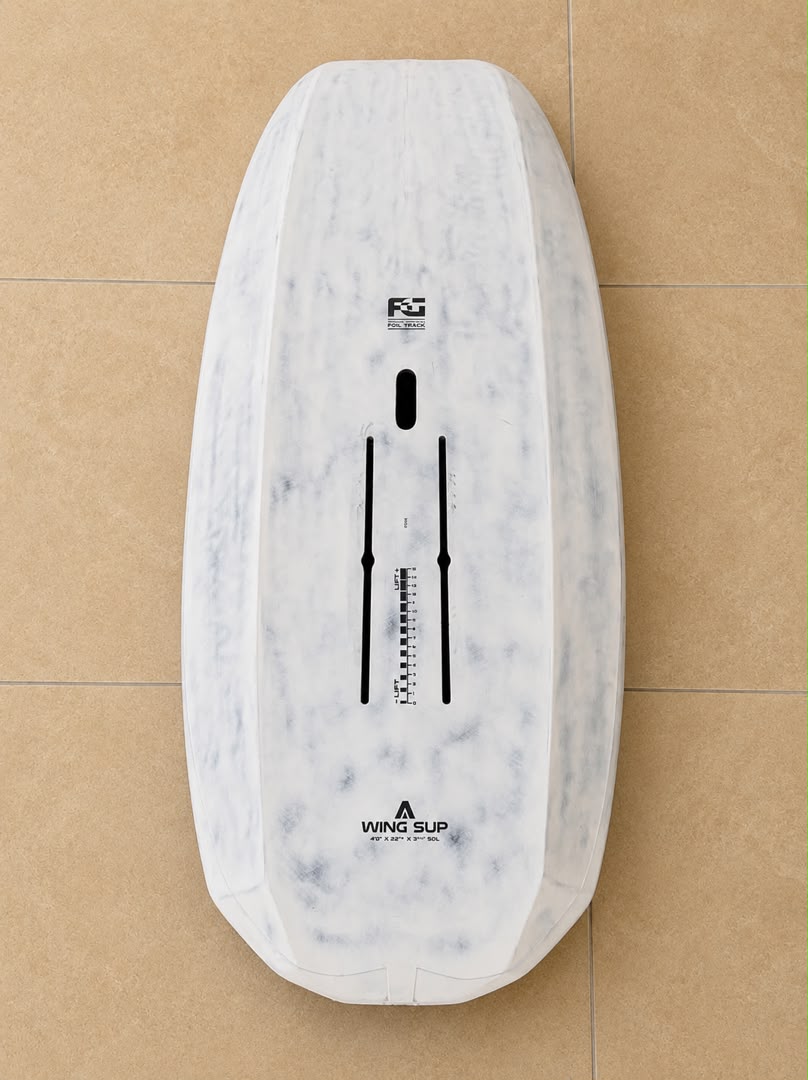
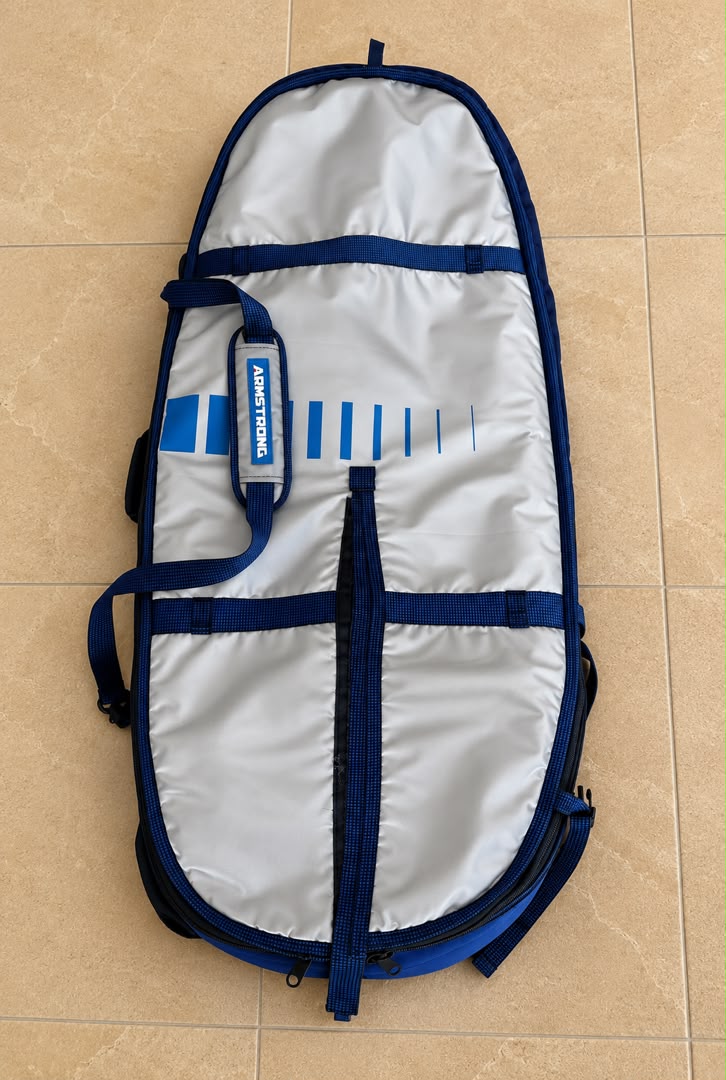
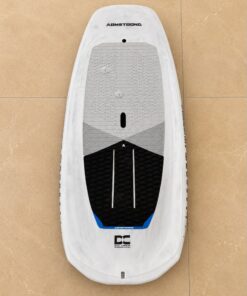
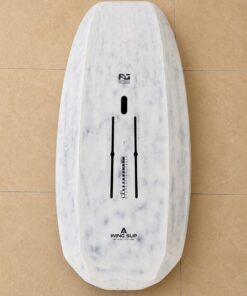
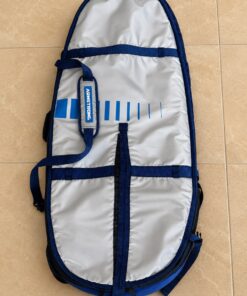
Used Armstrong Wing Foil Board 50L
€400.00
Used Armstrong Wing Foil Board 50L
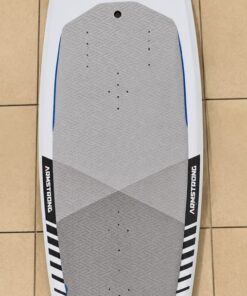
Take your wing foiling performance to the next level with this Used Armstrong Wing Foil Board 50L, a premium compact board designed for experienced riders seeking responsiveness, efficiency, and exceptional control on the water. Built with Armstrong’s renowned attention to detail and performance-focused shaping, this board delivers fast takeoffs, smooth touchdowns, and direct foil feedback that advanced riders appreciate.
The 50-liter volume is ideal for lighter riders or experienced foilers looking for a compact setup that maximizes maneuverability while maintaining enough flotation for efficient starts. Whether you’re riding in open ocean swell, coastal waves, or inland wind conditions, this board offers the balance, control, and performance needed to push your progression further.
This used board remains in good condition and is fully functional, making it an excellent opportunity to own a premium Armstrong board at a fraction of the cost of a new model. The compact outline reduces swing weight, allowing for tighter turns, quicker transitions, and improved handling during dynamic maneuvers.
Key Features
- Premium Armstrong construction
- 50-liter volume for advanced wing foiling performance
- Lightweight and responsive design
- Fast acceleration and early lift characteristics
- Excellent control during carving and transitions
- Compact shape for reduced swing weight
- Suitable for experienced wing foilers
- Strong and durable construction
- Efficient pumping and glide performance
- Compatible with a wide range of foil setups
Condition
This board is used and shows normal signs of previous use consistent with a well-maintained performance foil board. It remains structurally sound and ready for immediate use. Any cosmetic imperfections do not affect performance on the water.
Ideal For
- Advanced wing foilers
- Intermediate riders progressing to smaller boards
- Wave riding
- Freestyle wing foiling
- Open ocean sessions
- High-performance foiling
- Riders seeking a lightweight and responsive setup
Used Armstrong Wing Foil Board 50L – Lightweight Performance for Advanced Wing Foiling
Why the Used Armstrong Wing Foil Board 50L Remains One of the Most Desirable Performance Foiling Boards
The Used Armstrong Wing Foil Board 50L is an outstanding opportunity for riders seeking premium wing foiling performance without the cost of purchasing a brand-new setup. Designed for experienced wing foilers who prioritize responsiveness, efficiency, and direct foil feedback, this board combines Armstrong’s renowned engineering with proven real-world performance.
Over the last few years, Armstrong Foils has become one of the most respected names in the hydrofoil industry. From beginner-friendly equipment to elite-level competition products, the company has continuously developed innovative solutions that enhance rider progression and maximize time on the water.
The 50-liter platform stands out because it offers a highly responsive ride while maintaining sufficient stability for skilled riders. Consequently, it has become a favorite among advanced wing foilers who demand precise control in a wide range of conditions.
Armstrong Foils – A Reputation Built on Innovation
The success of Armstrong Foils comes from a relentless focus on engineering, rider feedback, and hydrodynamic efficiency. Every product is developed to create a seamless connection between rider, board, foil, and wing.
Whether exploring Armstrong Foiling for the first time or upgrading an existing setup, many riders appreciate the brand’s commitment to premium construction and performance-driven design.
Furthermore, those searching for Armstrong Foils for Sale frequently discover that used Armstrong equipment retains strong demand due to its durability and proven performance on the water.
What Makes the Armstrong Wing Foil Board Special?
The design philosophy behind every Armstrong Foil Board focuses on maximizing efficiency during takeoff while maintaining excellent maneuverability once flying above the water.
Unlike oversized beginner boards, the 50L version provides a more direct riding experience. This allows skilled riders to generate faster acceleration and more responsive turning characteristics.
Key benefits include:
Lightweight Performance
Reduced swing weight improves maneuverability.
Efficient Water Release
The hull shape promotes faster takeoff.
Responsive Turning
The compact design supports aggressive carving.
Enhanced Foil Feedback
Riders feel more connected to the foil beneath them.
As a result, experienced foilers often consider this model one of the most versatile Foiling Boards available.
Designed to Work with Advanced Foil Systems
One of the strengths of the Armstrong ecosystem is compatibility with a wide variety of foil configurations.
Many riders pair the board with a HA Front Foil to maximize efficiency and glide. High-aspect foil designs generate excellent speed while maintaining impressive pumping capability.
For riders searching for a HA Front Foil for Sale, the combination of a high-aspect front wing and a compact 50L board creates an exceptionally capable performance package.
Similarly, modern Wing Foil Front Wing designs continue to improve lift generation and efficiency across a broader speed range.
The Role of the Hydrofoil Front Wing
The Hydrofoil Front Wing serves as the primary lifting surface of a foil system.
Its design directly influences:
- Early takeoff
- Top-end speed
- Turning response
- Pumping efficiency
- Glide characteristics
A properly matched Front Foil can dramatically improve the overall riding experience.
Moreover, modern developments in Hydrofoil Lift Stability allow riders to maintain smoother flight and greater control even when water conditions become challenging.
Perfect for Modern Wing Foiling
The rapid growth of Armstrong Wing Foil equipment reflects the increasing popularity of wing foiling worldwide.
Riders appreciate the freedom to explore:
Open Ocean Conditions
Efficient glide supports long-distance sessions.
Coastal Riding
Excellent maneuverability improves wave performance.
Inland Lakes
Stable handling works well in variable wind conditions.
High-Wind Sessions
Responsive control inspires confidence.
These characteristics make the board a practical choice for a broad range of advanced riding environments.
Part of a Complete Armstrong Ecosystem
Many riders build complete setups around various Armstrong components.
Popular products often include:
Armstrong Performance Mast
Designed to provide stiffness and immediate response.
Armstrong Fuselage
Optimized to improve efficiency and control.
Armstrong Wing
Provides balanced power delivery and intuitive handling.
Armstrong Wings
Available in multiple sizes to suit varying conditions.
Together, these components create a highly integrated foiling system that delivers exceptional on-water performance.
Influence from Downwind Foiling Development
The evolution of Armstrong Downwind Board designs has significantly influenced modern wing foil equipment.
Lessons learned from products such as the:
- Armstrong Downwind Foil
- Armstrong Downwind Boards
- Armstrong Downwind Foil Board
- Armstrong V1 Downwind Board
- Armstrong Midlength
- Armstrong Mid Length Board
have contributed to advancements in efficiency, glide, and takeoff performance throughout the entire Armstrong range.
These innovations benefit wing foilers by improving acceleration and reducing drag during the transition onto foil.
A Board for Riders Seeking Progression
Many riders eventually outgrow larger beginner boards and seek equipment that offers greater responsiveness.
The 50L platform bridges the gap between stability and performance by providing:
- Faster foil engagement
- Improved pumping efficiency
- Sharper turning response
- Enhanced wave-riding capability
- Greater overall agility
For experienced riders looking to elevate their foiling skills, this balance can significantly accelerate progression.
Compatibility with Surf Foiling and Multi-Discipline Riding
Although designed primarily for wing foiling, many riders appreciate its versatility.
It can be integrated into setups involving:
Surf Foil
For powered wave riding.
Surf Foil Board
For dedicated surf-focused sessions.
Surf Foil Boards
Across a variety of wave conditions.
Surf Foilboard
Configurations emphasizing maneuverability.
Foil for SUP
Applications where glide and efficiency are prioritized.
Consequently, riders who enjoy multiple hydrofoil disciplines often find significant value in the platform.
Why a Used Armstrong Wing Foil Board 50L Is a Smart Investment
Purchasing a used premium board allows riders to access world-class performance at a more accessible price point.
For many enthusiasts comparing equipment costs, questions regarding Armstrong Integrated Foil Masts Price and Armstrong Integrated Foil Masts Price 2025 often highlight the premium nature of the Armstrong ecosystem.
A used board offers an excellent entry point into that ecosystem while retaining the engineering, construction quality, and performance characteristics that have made Armstrong one of the industry’s most respected brands.
Whether paired with advanced foil systems, high-performance wings, or integrated setups developed through years of innovation, the Used Armstrong Wing Foil Board 50L delivers a responsive, efficient, and confidence-inspiring riding experience that continues to attract dedicated foilers around the world.
Advanced Design, Performance Characteristics, and On-Water Efficiency
Engineered for Maximum Performance
Performance-focused foil boards are designed to achieve a careful balance between stability, responsiveness, and efficiency. Every curve, rail shape, volume distribution, and deck contour plays a role in how the board behaves on the water.
A compact performance board is intended to minimize unnecessary drag while maximizing responsiveness. This allows riders to generate speed quickly and transition onto foil with less effort. Once airborne, the board feels lighter beneath the feet, enabling more precise control during maneuvers and directional changes.
This refined design philosophy helps riders maintain confidence while pushing their progression to higher levels.
Why Volume Distribution Matters
Board volume is not simply about flotation. Equally important is how that volume is distributed throughout the shape.
Proper volume placement contributes to:
- Improved balance during starts
- Easier recovery after touchdowns
- Better weight distribution
- Enhanced rider control
- More efficient takeoffs
When volume is concentrated effectively, the board remains predictable even when conditions become difficult. This predictability helps riders conserve energy and focus on technique rather than constantly correcting balance issues.
Consequently, sessions become more productive and enjoyable.
Faster Takeoffs and Earlier Lift
One of the most important characteristics of a performance-oriented foil board is its ability to accelerate efficiently.
A well-designed hull reduces resistance as the board gains speed. Reduced resistance allows riders to reach takeoff speed more quickly, especially during lighter wind conditions or when pumping onto foil.
Early lift provides several advantages:
Reduced Fatigue
Less physical effort is required to initiate flight.
Improved Session Time
Riders spend more time foiling and less time struggling to get airborne.
Greater Efficiency
Energy can be conserved for longer rides and more maneuvers.
Better Performance in Marginal Conditions
Takeoff remains achievable even when wind conditions are less than ideal.
These benefits become increasingly valuable as riders pursue longer and more technical sessions.
Enhanced Control While Flying
Once the board leaves the water, control becomes the defining factor of performance.
A compact shape reduces swing weight, making it easier to initiate turns and make rapid adjustments. This characteristic becomes particularly noticeable during carving maneuvers, transitions, and wave riding.
Improved control contributes to:
- Faster directional changes
- Better balance during maneuvers
- More precise foot pressure adjustments
- Increased rider confidence
- Smoother overall performance
As a result, advanced riders can explore more aggressive techniques without sacrificing stability.
Understanding Water Release
Water release refers to how efficiently the board separates from the water surface during acceleration and takeoff.
Efficient water release minimizes drag and promotes smoother transitions onto foil. Poor water release can create resistance that delays lift and reduces overall performance.
Modern board shapes are carefully engineered to optimize this process through:
- Refined hull contours
- Strategic edge design
- Balanced rocker profiles
- Optimized tail geometry
These features work together to create a cleaner and more efficient launch onto foil.
Stability Without Excess Bulk
Many riders assume stability requires a large board. However, effective design often provides stability without excessive size.
A properly balanced board can remain remarkably stable despite having a compact footprint. This stability comes from intelligent shaping rather than simply increasing dimensions.
Benefits include:
- Better maneuverability
- Easier transportation
- Reduced weight
- Greater responsiveness
- Improved handling
Therefore, riders can enjoy both stability and performance simultaneously.
Performance in Various Water Conditions
Water conditions constantly change throughout a session.
Flat water, wind chop, ocean swell, and breaking waves all place different demands on equipment. A versatile board should perform confidently across these varying environments.
In calmer conditions, efficiency and acceleration become major advantages. In rougher water, control and predictability become increasingly important.
A well-designed board supports both situations by providing a stable platform while remaining responsive enough to adapt to changing conditions.
Improving Rider Progression
Progression often depends on equipment that encourages skill development without creating unnecessary obstacles.
An advanced board can help riders improve:
Foot Placement
Greater sensitivity encourages precise positioning.
Balance Control
Responsive feedback enhances stability awareness.
Pumping Technique
Efficient designs reward proper pumping mechanics.
Turning Skills
Improved maneuverability supports more dynamic riding.
Wave Reading
Responsive equipment allows riders to focus on water movement and timing.
Over time, these improvements contribute to greater overall confidence and capability.
Lightweight Construction Benefits
Weight plays a significant role in how a board feels both on and off the water.
A lighter board offers several advantages:
- Easier carrying
- Faster acceleration
- Improved responsiveness
- Reduced swing weight
- Enhanced maneuverability
These benefits become particularly noticeable during advanced maneuvers where quick reactions and precise movements are required.
Additionally, reduced weight helps decrease rider fatigue during extended sessions.
Durability and Long-Term Performance
Performance equipment should be capable of withstanding regular use while maintaining its structural integrity.
Quality construction contributes to:
- Long service life
- Consistent performance
- Resistance to wear
- Improved reliability
- Greater ownership satisfaction
Proper care and maintenance further enhance durability, allowing riders to enjoy dependable performance season after season.
Why Efficient Design Creates Better Sessions
The best equipment often disappears beneath the rider. Instead of demanding constant attention, it works naturally with the rider’s movements and intentions.
Efficient design creates:
- Smoother takeoffs
- Better control
- Increased confidence
- Reduced physical effort
- Greater overall enjoyment
These characteristics help transform ordinary sessions into memorable experiences while supporting continued progression.
Ultimately, advanced foil board design is about maximizing efficiency, control, and responsiveness. When these elements work together effectively, riders benefit from easier takeoffs, smoother flight, improved maneuverability, and a more rewarding connection with the water.
Real-World Riding Experience, Progression, and Versatility
Designed for Riders Who Want to Progress
As riders gain experience, their expectations from equipment change significantly. What once felt stable and easy may eventually feel limiting. At this stage, many riders begin searching for a board that offers greater responsiveness, improved efficiency, and a more direct connection to the foil.
A performance-oriented board allows skilled riders to continue progressing without feeling restricted by excessive volume or unnecessary size. Instead of merely floating comfortably, the board becomes an active part of the riding experience.
This transition often marks an important milestone in a rider’s development, leading to improved technique, better control, and greater confidence on the water.
Building Confidence Through Consistency
Confidence plays a major role in progression. Riders who trust their equipment are more willing to attempt new maneuvers, explore different conditions, and push their personal limits.
Consistent performance creates this trust. When a board responds predictably, riders can focus on technique rather than compensating for unexpected behavior.
Confidence helps improve:
- Takeoff success rates
- Turning ability
- Wave riding performance
- Pumping efficiency
- Overall decision-making
As confidence grows, progression typically accelerates.
Performance During Long Sessions
Comfort and efficiency become increasingly important during extended sessions.
A board that demands excessive effort can quickly lead to fatigue, reducing both enjoyment and performance. In contrast, an efficient design allows riders to conserve energy while maximizing time spent foiling.
Several characteristics contribute to reduced fatigue:
Efficient Acceleration
Less effort is required to reach takeoff speed.
Predictable Handling
Fewer corrections are needed during flight.
Responsive Feedback
The rider receives clear information from the board.
Balanced Design
Weight distribution remains comfortable throughout the session.
These factors work together to create a more enjoyable experience on the water.
Adapting to Different Conditions
One of the most valuable qualities in a performance board is versatility.
Conditions can change dramatically from one session to another. Wind strength, water state, swell direction, and rider objectives all influence performance requirements.
A versatile board performs effectively in:
- Flat-water environments
- Wind-generated chop
- Rolling swell
- Small surf conditions
- Variable weather patterns
This adaptability allows riders to make the most of available conditions rather than waiting for perfect forecasts.
Improving Takeoff Technique
Takeoff is one of the most important phases of every ride.
A board that responds efficiently to rider input helps accelerate the learning process. Riders quickly develop a better understanding of weight distribution, power management, and timing.
Successful takeoffs require:
Proper Stance
Balanced positioning promotes stability.
Controlled Power Application
Smooth acceleration prevents unnecessary instability.
Effective Weight Transfer
The board responds best when pressure is applied correctly.
Good Timing
Understanding when to initiate lift improves consistency.
With regular practice, these skills become increasingly natural.
Enhanced Connection Between Rider and Equipment
High-performance equipment often feels more responsive because it provides immediate feedback.
This feedback allows riders to detect small mistakes and make adjustments more quickly. Consequently, skill development becomes more efficient.
The connection between rider and board influences:
- Balance control
- Turning precision
- Pumping rhythm
- Speed management
- Overall confidence
As this connection strengthens, riders gain a deeper understanding of how their movements affect performance.
Carving and Directional Control
Turning performance is a defining characteristic of advanced foiling equipment.
A responsive board allows riders to initiate turns smoothly while maintaining stability throughout the maneuver. This capability becomes especially important during wave riding, transitions, and technical carving sequences.
Effective turning characteristics provide:
Greater Fluidity
Movements feel smooth and natural.
Improved Precision
Lines can be adjusted more accurately.
Better Flow
Riders maintain momentum through turns.
Increased Enjoyment
Dynamic riding becomes more engaging.
These benefits contribute significantly to overall riding satisfaction.
Learning New Maneuvers
As riders progress, they often seek to expand their skill set.
Advanced equipment can support learning by providing the responsiveness necessary for more technical movements.
Common progression goals include:
- Sharper turns
- Faster transitions
- Improved pumping
- Better wave linking
- Enhanced board control
A responsive platform rewards proper technique while helping riders identify areas that need improvement.
Efficiency and Energy Management
Energy conservation becomes increasingly important during longer sessions.
An efficient board allows riders to spend less effort maintaining speed and more effort enjoying the ride. This efficiency can significantly increase the number of successful runs completed during a session.
Benefits of improved efficiency include:
- Longer riding time
- Reduced fatigue
- Better focus
- Greater consistency
- Improved overall performance
These advantages become particularly noticeable during demanding conditions.
Performance in Challenging Water States
Not every session takes place in ideal conditions.
Wind-driven chop, uneven swell, and turbulent water can create challenges even for experienced riders. Equipment that remains predictable under these circumstances provides a major advantage.
Predictable behavior helps riders:
Maintain Control
Sudden movements become easier to manage.
Recover More Effectively
Minor mistakes are easier to correct.
Build Confidence
Challenging conditions become less intimidating.
Improve Technique
Riders can focus on skill execution rather than survival.
This reliability often encourages riders to venture out in a broader range of conditions.
The Importance of Progression-Friendly Design
A truly effective performance board does more than deliver speed and responsiveness. It also helps riders develop the skills needed to unlock their full potential.
Progression-friendly equipment encourages experimentation and rewards proper technique. Instead of masking mistakes, it provides valuable feedback that helps riders improve over time.
This learning process leads to:
- Better control
- Increased confidence
- Improved efficiency
- Enhanced maneuverability
- Greater overall enjoyment
For many riders, this continual progression becomes one of the most rewarding aspects of the sport.
A Platform That Grows with the Rider
One of the strongest indicators of quality equipment is its ability to remain relevant as skill levels improve.
Beginners may initially focus on basic flight and stability, while experienced riders pursue efficiency, speed, and technical maneuvers. A capable performance board supports this entire journey.
As abilities develop, riders continue discovering new ways to utilize the board’s capabilities. This long-term usability increases value while ensuring the equipment remains exciting and rewarding for years.
Ultimately, successful progression depends on a combination of practice, experience, and equipment that responds accurately to rider input. When these elements come together, every session becomes an opportunity to improve, explore new possibilities, and enjoy the unique sensation of effortless flight above the water.
Construction Quality, Durability, Ownership Experience, and Long-Term Value
Built to Withstand Demanding Conditions
Performance equipment is exposed to significant stress throughout its lifetime. Repeated launches, landings, transportation, impacts from rough water, and constant exposure to saltwater and sunlight all place demands on a board’s structure.
For this reason, construction quality plays a critical role in long-term performance. A well-built board maintains its integrity over time while continuing to deliver the responsiveness and efficiency that riders expect.
Strong construction not only improves durability but also helps preserve the riding characteristics that make a board enjoyable to use. Consequently, riders can continue progressing without worrying about premature wear affecting performance.
Why Structural Integrity Matters
The structural design of a board influences much more than durability.
A rigid and properly engineered structure helps maintain:
- Consistent responsiveness
- Predictable handling
- Efficient power transfer
- Reliable performance
- Long-term riding confidence
When a board retains its intended shape and stiffness, riders experience the same predictable behavior session after session.
This consistency becomes armstrong foil boards increasingly valuable as skill levels improve and performance expectations rise.
The Importance of Weight and Strength Balance
One of the greatest challenges in board design is achieving the correct balance between strength and weight.
Excessive weight can reduce responsiveness and make handling more difficult. Conversely, prioritizing weight reduction without adequate reinforcement can compromise durability.
An effective design seeks to balance these competing requirements by providing:
Sufficient Strength
The structure remains capable of handling repeated use kite armstrong.
Controlled Weight
The board remains agile and easy to maneuver.
Long-Term Reliability
Performance characteristics are maintained over time.
Practical Durability
Everyday wear and tear are better managed.
This balance contributes significantly to overall ownership satisfaction.
Daily Usability and Convenience
Practicality often becomes more important after the initial excitement of purchasing new equipment.
Riders frequently appreciate features that simplify day-to-day use, transportation, storage, and maintenance.
Be the first to review “Used Armstrong Wing Foil Board 50L”
Related products
Used Product
Used Product
Used Product
Used Product
Used Product
Used Product
Used Product
Used Product
Reviews
There are no reviews yet.