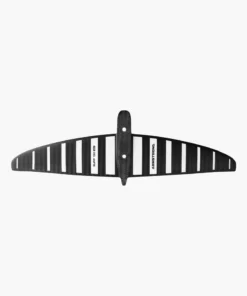
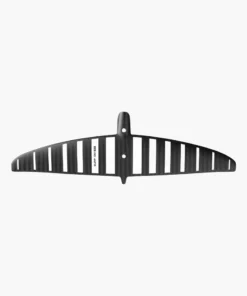
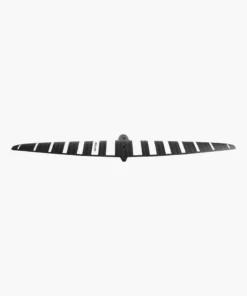
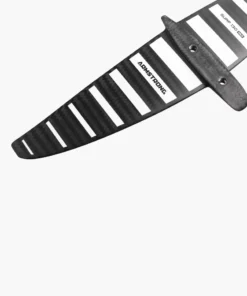
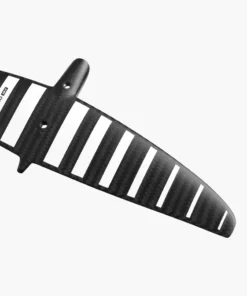
Surf Mk II Stabilizer
€150.00
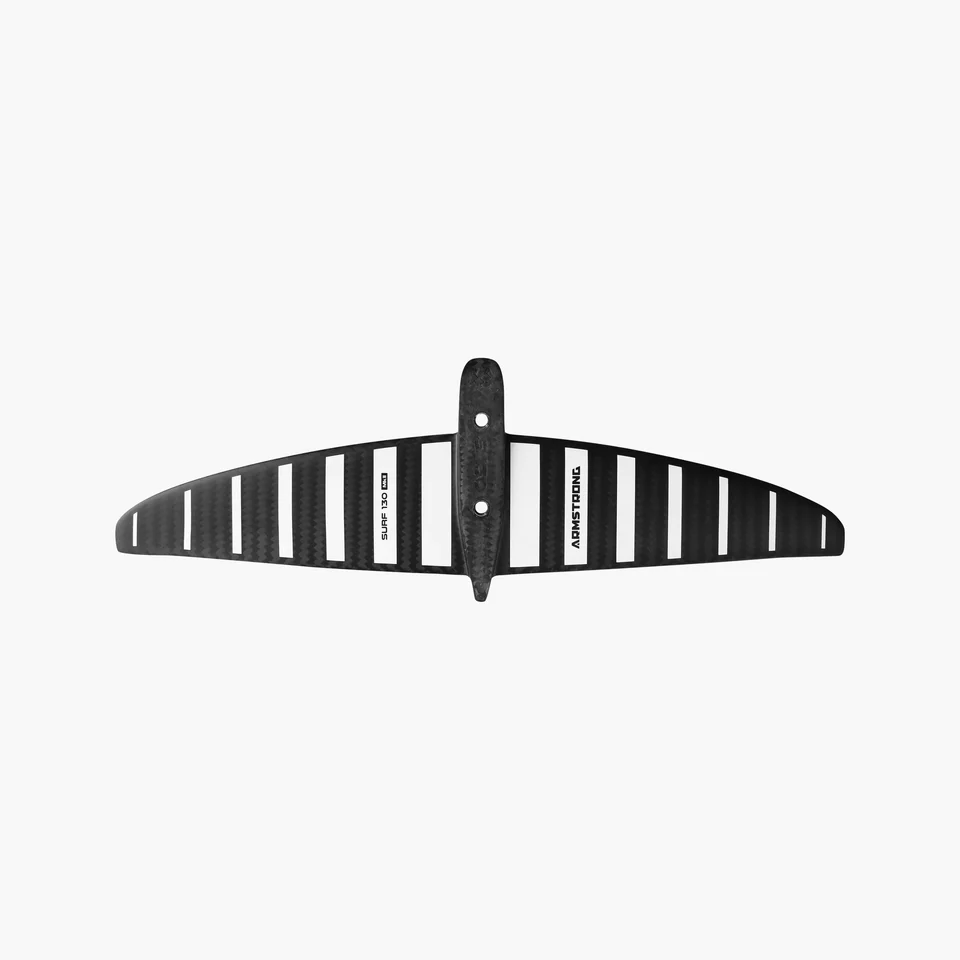
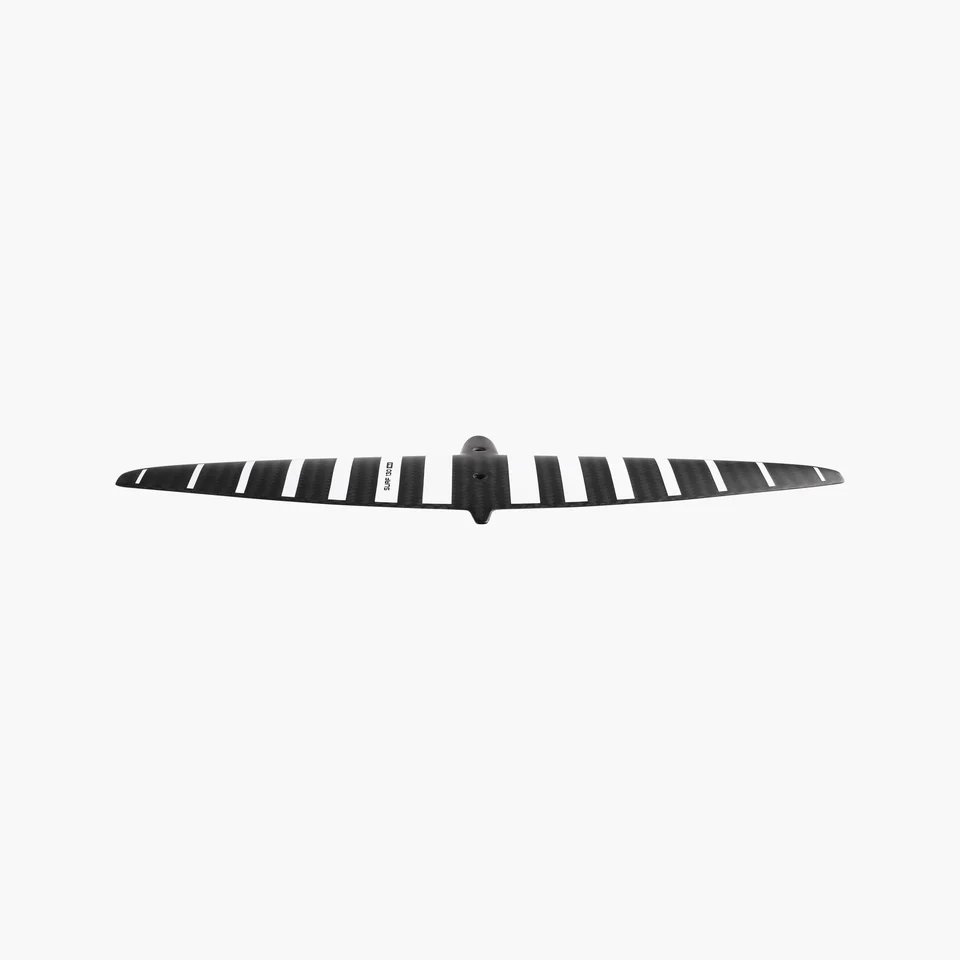
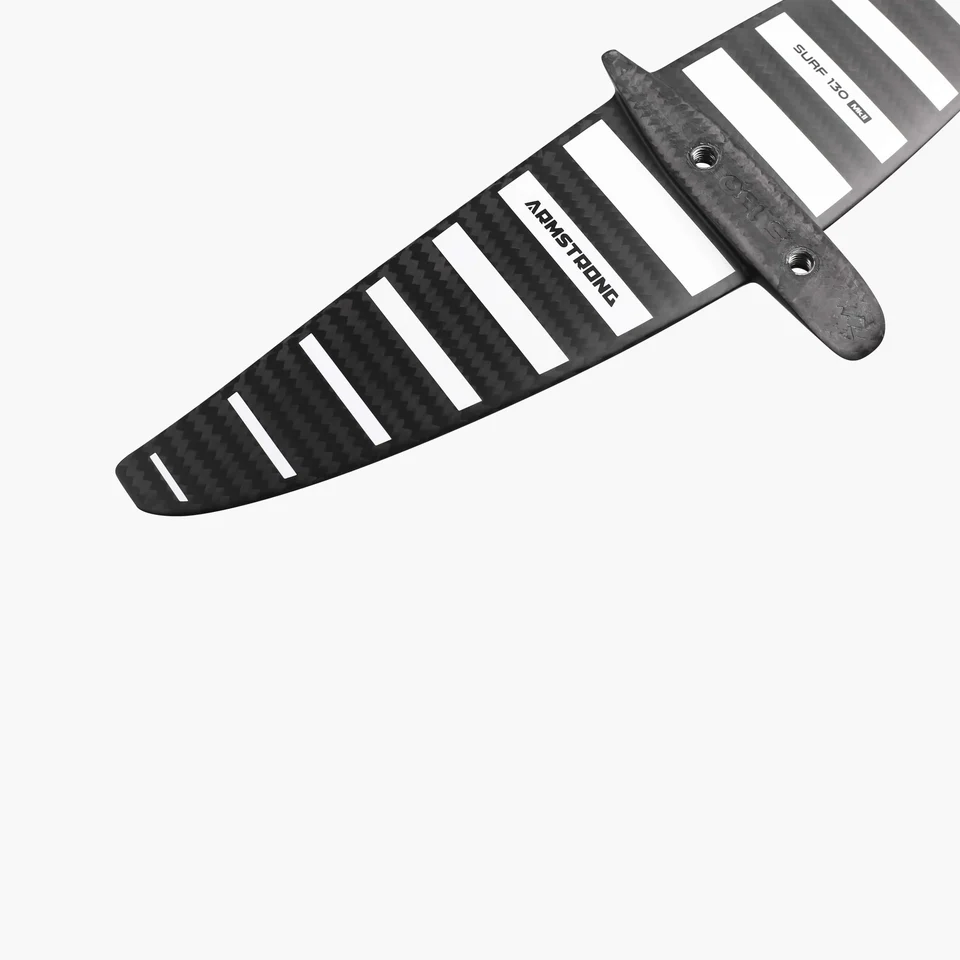
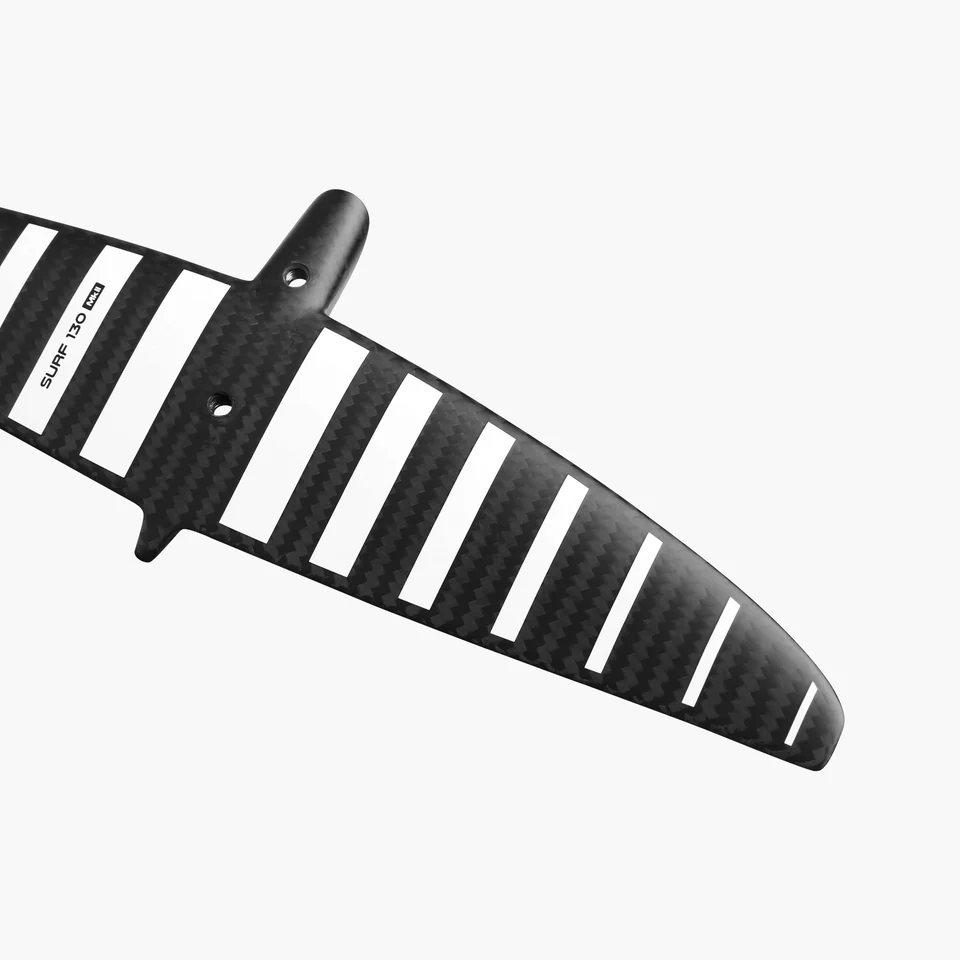
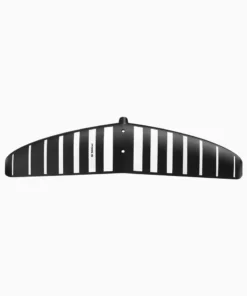
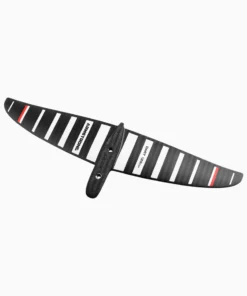
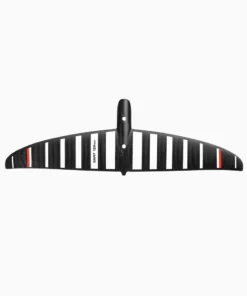
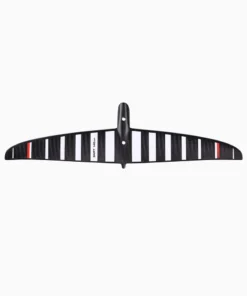
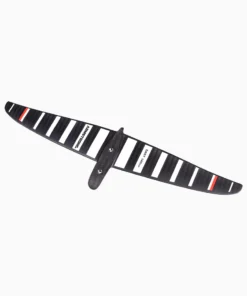
The Surf Mk II stabilizer was designed alongside the MA Mk II front foil for a stabilizer that boosts your flow, control, and speed range across foiling disciplines. It features similar outline and foil section characteristics as the MA Mk II and is available in three sizes from 130, 170, and 200cm2.
Inclusions
Precision Rear Wing Control for Smooth Carving, Balanced Lift, and Advanced Hydrofoil Stability
Introducing the Surf Mk II Stabilizer
Hydrofoil performance depends heavily on balance, stability, lift management, and responsive directional control. Consequently, modern riders now pay far greater attention not only to front wing design but also to rear stabilizer engineering. While front wings generate primary lift and glide performance, the stabilizer plays a critical role in controlling pitch stability, carving behavior, turning response, and overall riding feel. Among the most refined rear wing designs available today, the Surf Mk II Stabilizer stands out as a performance-focused hydrofoil stabilizer engineered to deliver smooth handling, controlled lift balance, and responsive carving across multiple foiling disciplines.
Unlike oversized stabilizers that prioritize maximum directional lock and slower turning behavior, refined modern stabilizers focus on improving maneuverability while maintaining predictable control. As a result, riders benefit from smoother transitions, more efficient water flow, better pitch management, and enhanced responsiveness during carving maneuvers and open-water riding.
The Surf Mk II Stabilizer was developed specifically for riders who demand a balanced combination of stability, agility, glide efficiency, and precise foil feedback. Additionally, advanced hydrodynamic shaping allows the stabilizer to reduce unnecessary drag while still maintaining the controlled handling characteristics essential for surf foiling, wing foiling, and downwind riding.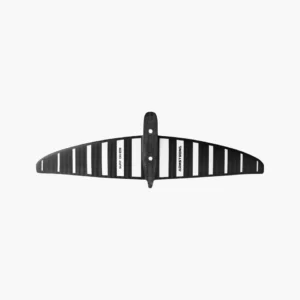
Because hydrofoil disciplines continue progressing toward higher speeds and more dynamic riding styles, modern stabilizer performance has become increasingly important for riders seeking refined water control and smoother overall foil behavior.
What Is a Hydrofoil Stabilizer?
Understanding Rear Wing Functionality
A hydrofoil stabilizer, commonly referred to as the rear wing, works together with the front wing to manage pitch stability, directional balance, and turning response during flight.
Unlike the front wing, which generates the majority of lift, the stabilizer helps regulate:
- Pitch control
- Riding stability
- Carving response
- Lift balance
- Turning sensitivity
- Overall foil feel
Because rear wing tuning significantly influences handling characteristics, stabilizer selection directly affects how a hydrofoil setup behaves across different riding disciplines and water conditions.
Additionally, stabilizer geometry influences drag efficiency, acceleration behavior, and glide smoothness.
Mk II Design Evolution
Refining Control and Water Efficiency
The Surf Mk II Stabilizer represents an evolution in stabilizer engineering focused on improving responsiveness, hydrodynamic efficiency, and overall riding refinement.
Modern refinements may include:
- Optimized wing curvature
- Improved tip shaping
- Reduced drag characteristics
- Enhanced carving flow
- Better lift balance
- Smoother water release
Because hydrofoil riding styles continue becoming more technical and performance-oriented, stabilizer evolution plays a major role in improving modern foil responsiveness and rider confidence.
Additionally, updated hydrodynamic shaping helps maintain stable control while reducing unnecessary resistance through the water.
Hydrodynamic Efficiency and Water Flow
Precision Rear Wing Engineering
Hydrodynamic efficiency remains one of the most important aspects of stabilizer performance. Therefore, the Surf Mk II Stabilizer was designed around advanced water flow principles intended to improve responsiveness while minimizing turbulence.
Several engineering variables influence stabilizer behavior:
- Wing span
- Tip geometry
- Surface smoothness
- Profile thickness
- Curvature distribution
- Angle efficiency
Because cleaner water flow improves glide and directional smoothness, refined shaping contributes significantly to overall foil performance.
Additionally, efficient rear wing design improves stability without creating excessive drag or overly stiff handling behavior.
Carving Performance and Turning Control
Smooth Directional Transitions
Carving response remains one of the most noticeable aspects of hydrofoil handling. The Surf Mk II Stabilizer was engineered specifically to improve turning fluidity while maintaining predictable control throughout transitions.
Benefits may include:
- Smoother rail-to-rail movement
- More responsive carving behavior
- Balanced turning arcs
- Controlled directional feedback
- Reduced turning resistance
Because carving precision directly influences rider confidence and progression, responsive stabilizer tuning remains essential for modern hydrofoil setups.
Additionally, smoother transitions improve overall riding flow during surf, wing, and open-water sessions.
Pitch Stability and Lift Management
Balanced Flight Characteristics
Pitch stability significantly affects hydrofoil comfort and rider control. An unstable foil setup may feel overly sensitive or difficult to manage during acceleration and directional changes.
The Surf Mk II Stabilizer supports balanced pitch control through:
- Stable lift regulation
- Controlled nose response
- Predictable acceleration behavior
- Smoother touchdown recovery
- Consistent directional balance
Because pitch management directly influences rider fatigue and confidence, refined stabilizer tuning helps improve long-session comfort and overall handling consistency.
Additionally, stable lift characteristics allow riders to maintain smoother control during changing water conditions.
Surf Foiling Applications
Responsive Handling for Wave Riding
Surf foiling demands smooth carving transitions, predictable lift behavior, and efficient glide through varying wave energy.
The Surf Mk II Stabilizer performs exceptionally well in surf-oriented applications because it supports:
- Smooth down-the-line carving
- Stable wave entry control
- Better wave connection capability
- Controlled rail transitions
- Responsive directional handling
Because surf foiling requires constant adjustment to wave shape and energy, balanced rear wing behavior becomes critical for maintaining confidence and flow.
Additionally, efficient stabilizer response improves overall water connection during critical turning maneuvers.
Wing Foiling Performance
Stable Control Across Variable Wind Conditions
Wing foiling introduces constantly changing wind pressure and varying water conditions. Consequently, stabilizer tuning plays an important role in maintaining directional balance and predictable handling.
This design supports wing foil riding through:
- Stable cruising control
- Smooth carving transitions
- Controlled high-speed tracking
- Balanced directional response
- Efficient acceleration management
Because wing foiling often involves sustained high-speed riding, efficient rear wing behavior improves both comfort and rider confidence.
Additionally, reduced drag characteristics help maintain smoother glide during lighter wind conditions.
Open-Water and Downwind Riding Capability
Efficient Stability at Speed
Open-water hydrofoiling requires stable control and smooth water flow at elevated riding speeds.
The Surf Mk II Stabilizer supports downwind and open-water performance through:
- Controlled high-speed stability
- Reduced turbulence sensitivity
- Efficient directional tracking
- Balanced carving response
- Smooth acceleration transitions
Because stable rear wing behavior reduces unnecessary corrections, riders can maintain cleaner riding lines and smoother glide efficiency during long-distance sessions.
Additionally, balanced control characteristics improve comfort during rougher water conditions.
Reduced Drag and Glide Efficiency
Cleaner Water Release for Better Performance
Modern stabilizer designs increasingly prioritize drag reduction because excessive resistance can negatively affect speed and glide.
Several design refinements contribute to improved efficiency:
- Refined wingtip shaping
- Optimized profile thickness
- Balanced surface area distribution
- Cleaner water release behavior
Because reduced drag improves overall foil efficiency, riders often experience smoother acceleration and better momentum retention during glides and pumping sequences.
Additionally, cleaner hydrodynamic flow contributes to quieter and more refined riding sensations.
Pumping Efficiency and Energy Transfer
Supporting Smooth Momentum Recovery
Efficient pumping depends heavily on balanced lift transfer and stable directional response.
The Surf Mk II Stabilizer contributes to pumping performance through:
- Controlled pitch stability
- Smooth energy transfer
- Predictable lift response
- Reduced drag during transitions
- Better momentum conservation
Because efficient pumping reduces rider fatigue, balanced stabilizer tuning significantly improves long-distance riding capability and wave connection potential.
Additionally, smoother lift behavior improves pumping rhythm consistency.
Lightweight Composite Construction
Strength, Rigidity, and Responsiveness
Modern hydrofoil stabilizers often utilize advanced lightweight composite construction to maximize performance while minimizing unnecessary weight.
Premium construction materials may include:
- Carbon fiber composites
- Reinforced structural laminates
- Precision molded cores
- High-density reinforcement zones
Because structural rigidity directly affects responsiveness and water feedback, advanced construction methods improve both precision and long-term durability.
Additionally, lightweight rear wing construction improves maneuverability during aggressive carving transitions.
Compatibility and Modular Hydrofoil Systems
Building a Tunable Foil Setup
Modern hydrofoil systems frequently support modular compatibility between:
- Front wings
- Rear stabilizers
- Fuselages
- Mast systems
Because riders often fine-tune setups according to discipline and water conditions, modular compatibility increases long-term versatility and performance customization.
Additionally, interchangeable stabilizers allow users to adjust turning behavior, stability, and overall foil feel more precisely.
Rider Progression and Advanced Control
Supporting Technical Riding Development
As riders progress into more advanced foiling disciplines, stabilizer tuning becomes increasingly important for refining handling characteristics and improving control.
This performance-oriented rear wing supports progression through:
- Better carving precision
- Improved directional control
- Enhanced high-speed confidence
- More stable pumping behavior
- Smoother transition handling
Because refined rear wing tuning rewards proper technique and balance, advanced riders can continue improving performance across multiple disciplines and conditions armstrong foils for sale.
Additionally, predictable handling characteristics help reduce hesitation during technical maneuvers and progression-focused sessions.
Why the Surf Mk II Stabilizer Stands Out
Key Performance Advantages
Balanced Pitch Stability
Supports smoother and more predictable flight behavior.
Responsive Carving Control
Improves turning precision and directional flow sup foilboard.
Reduced Drag Characteristics
Enhances glide efficiency and acceleration.
Smooth Water Release
Creates cleaner hydrodynamic performance.
Lightweight Composite Construction
Improves responsiveness and maneuverability.
Multi-Discipline Versatility
Effective for surf foiling, wing foiling, and open-water riding surfboard with foil.
Frequently Asked Questions
What does a hydrofoil stabilizer do?
A stabilizer helps control pitch balance, directional stability, carving response, and overall foil handling characteristics.
Why is stabilizer design important?
Rear wing geometry directly affects turning behavior, lift balance, drag efficiency, and riding feel.
Is this stabilizer suitable for surf foiling?
Yes. It was engineered to provide smooth carving control and stable wave handling performance.
Does stabilizer size affect turning?
Yes. Different stabilizer dimensions influence maneuverability, stability, and directional responsiveness.
Is lightweight construction beneficial?
Absolutely. Lightweight composite materials improve responsiveness and reduce unnecessary drag.
Can stabilizers be swapped on modular foil systems?
Yes. Many hydrofoil systems allow riders to interchange stabilizers for different riding styles and conditions.
Final Thoughts
The Surf Mk II Stabilizer represents the modern evolution of hydrofoil rear wing engineering by combining refined carving response, stable pitch management, efficient hydrodynamic flow, and balanced directional control into one highly versatile performance platform.
Because today’s riders increasingly prioritize glide efficiency, smooth turning behavior, and predictable high-speed handling, advanced stabilizer designs continue becoming essential components in modern hydrofoil setups.
From its lightweight composite construction and efficient water flow shaping to its responsive carving characteristics and stable lift management, the Surf Mk II Stabilizer delivers the refined control and hydrodynamic balance experienced riders expect from a premium rear wing system.
Advanced Rear Wing Control, Glide Efficiency, and Precision Hydrofoil Handling
Engineered for Smooth Water Flow and Predictable Riding Performance
Modern hydrofoil riding continues progressing toward faster speeds, cleaner carving transitions, and greater overall efficiency across varying water conditions. Consequently, rear wing engineering has become increasingly important for riders seeking refined control, balanced lift behavior, and smoother handling characteristics. While front wings generate the majority of lift and acceleration, the stabilizer plays a critical role in controlling pitch response, directional tracking, glide efficiency, and overall foil feel.
This advanced rear wing platform was developed specifically to provide a balanced combination of maneuverability, stability, and hydrodynamic efficiency. As a result, riders benefit from smoother carving flow, cleaner water release, and more predictable control during surf, wing, and open-water riding applications armstrong downwind boards.
Unlike oversized stabilizers that prioritize heavy directional lock and slower turning response, this refined design focuses on maintaining agility while still preserving stable lift behavior and rider confidence. Additionally, optimized profile shaping helps reduce unnecessary drag while improving glide smoothness and acceleration efficiency armstrong wing foil.
Because modern riders increasingly demand more refined foil response and better high-speed control, advanced stabilizer tuning continues playing a major role in hydrofoil progression.
Hydrodynamic Efficiency and Water Flow Optimization
Precision Rear Wing Engineering for Cleaner Performance
Hydrodynamic efficiency directly affects acceleration, glide retention, pumping capability, and turning smoothness. Therefore, modern stabilizer designs now focus heavily on optimizing water flow while minimizing turbulence and drag.
Several design elements contribute to improved hydrodynamic performance:
- Refined wing curvature armstrong foiling
- Optimized wingtip shaping
- Balanced profile thickness
- Cleaner water release characteristics
- Reduced turbulence generation
Because smoother water flow improves overall foil efficiency, riders often experience more stable acceleration and better momentum conservation during long rides v.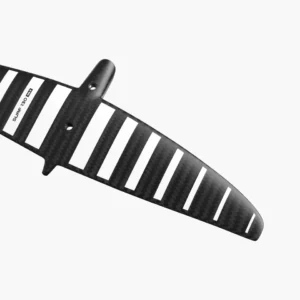
Additionally, efficient rear wing shaping contributes to quieter and more refined handling sensations across changing water conditions.
Carving Response and Directional Precision
Smooth Rail-to-Rail Transitions
Carving performance remains one of the most noticeable aspects of hydrofoil handling. Consequently, advanced stabilizer engineering focuses heavily on improving turning fluidity while maintaining balanced directional stability armstrong integrated foil masts price.
Important carving advantages may include Surf Mk II Stabilizer:
- Faster directional response
- Controlled turning arcs Surf Mk II Stabilizer
- Better edge-to-edge transitions
- Reduced turning resistance foiling board
- More predictable carving behavior
Because smooth turning behavior improves rider confidence and overall flow, refined rear wing tuning significantly enhances long-session comfort and progression v.
Additionally, balanced carving response allows riders to maintain cleaner lines during wave riding and open-water transitions.
Pitch Stability and Lift Balance
Controlled Flight Across Varying Speeds
Pitch stability plays a major role in hydrofoil comfort and usability. Unstable pitch response may create excessive sensitivity, inconsistent lift behavior, and increased rider fatigue Surf Mk II Stabilizer.
This performance-oriented design supports stable control through:
- Balanced lift regulation Surf Mk II Stabilizer
- Predictable nose response
- Smooth acceleration behavior
- Stable touchdown recovery
- Controlled directional balance
Because stable pitch management reduces unnecessary corrections, riders can maintain smoother and more relaxed control during high-speed riding and pumping sequences v.
Additionally, balanced lift characteristics improve rider confidence during changing wave energy and rougher water conditions.
Reduced Drag Improves Glide Efficiency
Cleaner Water Release for Longer Rides
Modern hydrofoil stabilizers increasingly prioritize drag reduction because excessive resistance negatively affects speed retention and pumping performance Surf Mk II Stabilizer.
Several engineering refinements improve overall efficiency:
- Streamlined profile geometry armstrong wings
- Optimized surface area distribution armstrong downwind board
- Cleaner wingtip release Surf Mk II Stabilizer
- Reduced turbulence sensitivity
Because reduced drag improves glide efficiency, riders often experience longer uninterrupted rides and smoother acceleration during open-water sessions armstrong midlength.
Additionally, efficient water release contributes to more refined riding sensations and improved overall speed management.
Surf-Oriented Handling Characteristics
Designed for Smooth Wave Riding and Responsive Control
Wave-focused riding demands stable carving response, balanced lift management, and predictable directional feedback across constantly changing wave conditions foil boarding surf foil boards.
This advanced rear wing setup supports surf-oriented applications through:
- Controlled wave entry behavior
- Smooth down-the-line carving
- Better rail transition consistency
- Predictable directional response
- Stable lift control during turns
Because surf foiling requires constant adjustments to changing wave energy, balanced rear wing tuning significantly improves rider confidence and overall flow downwind foil boards.
Additionally, smooth handling characteristics improve water connection during more technical carving maneuvers.
Wing Foiling Stability and Speed Control
Balanced Performance in Variable Wind Conditions
Wing-powered hydrofoil riding introduces constantly shifting wind pressure and varying water states. Consequently, stable rear wing behavior becomes essential for maintaining control at speed armstrong performance mast.
Several characteristics improve wing foil performance m7 screws:
- Stable cruising balance Surf Mk II Stabilizer
- Controlled high-speed tracking
- Smooth carving transitions Surf Mk II Stabilizer
- Predictable acceleration response
- Efficient directional control surf foiling board
Because sustained speed and variable wind conditions place additional demands on hydrofoil stability, efficient rear wing tuning helps maintain rider comfort during long sessions foiling boards.
Additionally, reduced drag characteristics improve glide retention during lighter wind periods.
Open-Water and Downwind Riding Capability
Stable Performance Across Long-Distance Conditions
Open-water riding demands stable tracking, efficient glide management, and smooth directional response at elevated speeds.
This performance-focused setup supports downwind and long-distance applications through:
- Stable high-speed handling
- Reduced directional instability
- Smooth acceleration flow armstrong downwind board for sale
- Better momentum conservation
- Balanced carving response at speed
Because long-distance riding requires efficient energy management, refined rear wing behavior significantly improves endurance and rider confidence.
Additionally, stable directional tracking reduces unnecessary corrections during rougher water conditions.
Pumping Efficiency and Momentum Recovery
Supporting Smooth Energy Transfer
Efficient pumping depends heavily on balanced lift behavior and predictable directional stability.
This advanced design improves pumping through:
- Stable pitch control Surf Mk II Stabilizer
- Smooth lift recovery armstrong foil boards
- Better momentum carry surf foil board
- Reduced drag during transitions
- Consistent pumping rhythm
Because efficient pumping conserves rider energy, balanced stabilizer performance improves wave connection capability and long-range riding potential.
Additionally, smoother momentum transfer enhances overall riding fluidity during repeated pumping cycles.
Lightweight Construction and Structural Rigidity
Responsive Composite Engineering
Modern hydrofoil construction focuses heavily on balancing lightweight efficiency with structural durability and responsiveness.
Premium composite construction may include:
- Carbon fiber laminates Surf Mk II Stabilizer
- Reinforced structural zones
- Precision molded surfaces kite armstrong
- High-density internal cores
Because structural rigidity directly influences foil responsiveness and rider feedback, advanced construction methods improve overall handling precision and long-term durability.
Additionally, lightweight materials reduce swing weight and improve maneuverability during aggressive directional transitions.
Rider Progression and Advanced Handling Development
Supporting Technical Riding Progression
As riders gain experience, they often begin refining setups to achieve smoother carving, cleaner glide behavior, and more responsive foil control.
This advanced rear wing platform supports progression through:
- Better turning precision
- Improved directional consistency
- Enhanced high-speed confidence
- More efficient pumping behavior
- Smoother transition handling armstrong foils
Because refined stabilizer tuning rewards proper technique and balance, experienced riders can continue improving technical riding skills across multiple disciplines and conditions.
Additionally, predictable handling characteristics help reduce hesitation during advanced maneuvers.
Multi-Discipline Versatility and Setup Flexibility
Adaptable Across Multiple Riding Styles
Modern riders increasingly search for hydrofoil setups capable of performing effectively across varying disciplines and water conditions.
This balanced rear wing configuration performs exceptionally well during:
- Surf-oriented riding
- Open-water carving
- Wing-powered sessions
- Long-distance glides
- Pump-focused riding
Because versatility improves long-term setup value, adaptable stabilizer performance remains highly desirable among experienced hydrofoil enthusiasts.
Additionally, balanced hydrodynamic behavior allows riders to fine-tune handling preferences according to riding style and environment.
Why Advanced Stabilizer Design Matters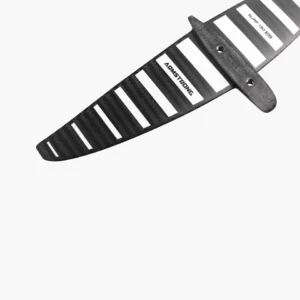
Precision Rear Wing Tuning Improves Overall Hydrofoil Performance
Modern hydrofoil systems continue evolving toward greater efficiency, smoother handling, and more refined water control. Consequently, stabilizer engineering now plays a larger role than ever before in overall riding quality Surf Mk II Stabilizer.
This advanced rear wing platform successfully combines Surf Mk II Stabilizer:
- Balanced pitch stability armstrong downwind foil
- Smooth carving response
- Reduced drag efficiency
- Predictable directional handling
- Lightweight maneuverability
- Stable high-speed control Surf Mk II Stabilizer
Because these characteristics directly improve rider comfort, progression, and long-session enjoyment, refined stabilizer tuning remains essential for modern hydrofoil performance Surf Mk II Stabilizer.
Ultimately, this setup delivers a highly controlled and efficient riding experience for foilers seeking smoother handling, cleaner glide characteristics, and greater confidence across surf, wing, and open-water environments Surf Mk II Stabilizer.
Be the first to review “Surf Mk II Stabilizer”
Related products
Stabilizer
Stabilizer
Stabilizer
Stabilizer
Stabilizer
Stabilizer
Stabilizer
Reviews
There are no reviews yet.